CASHEW NUT SHELL OIL

CASHEW NUT SHELL OIL
RICE PROTEIN POWDER
RICE PROTEIN POWDER
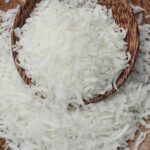
DESICCATED COCONUT
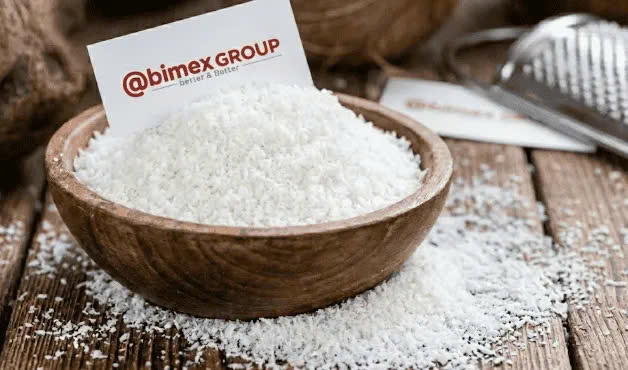
Desiccated Coconut in Bakery Products is becoming more than a traditional ingredient for cakes, cookies, pastries, and confectionery fillings. For many food manufacturers, it is now a practical formulation choice that supports texture, flavor, visual appeal, shelf stability, and clean-label product development. As bakery brands compete in a market shaped by plant-based eating, premium indulgence, global flavors, and simpler ingredient lists, desiccated coconut offers a strong balance between functionality and consumer appeal.
According to CBI, desiccated coconut is widely used in the bakery, confectionery, and ice cream sectors, especially in sweet bakery, pastry, and chocolate products. Europe is also described as the world’s largest importer of desiccated coconut, with demand supported by plant-based, gluten-free, keto, and coconut-flavored food trends.
Table of Contents
ToggleThe growing use of Desiccated Coconut in Bakery Products is not accidental. Bakery manufacturers are under pressure to create products that are indulgent, consistent, cost-efficient, and aligned with changing consumer expectations. A single ingredient that can contribute flavor, texture, mouthfeel, and natural positioning becomes highly valuable in this environment.
Unlike artificial flavors or highly processed inclusions, desiccated coconut is easy for consumers to understand. It is made from mature coconut kernel that has been chipped, grated, shredded, or reduced into smaller particles and then dried to lower moisture content. This makes it suitable for industrial-scale baking where stability, repeatability, and storage performance matter.
For food manufacturers, this is the real reason behind the switch: desiccated coconut is not only a flavor ingredient. It is also a texture builder, visual enhancer, and product differentiator.
Coconut has a naturally sweet, creamy, and slightly nutty flavor profile. In bakery products, this flavor pairs well with chocolate, vanilla, caramel, mango, banana, pineapple, berries, nuts, and dairy-based fillings. That makes Desiccated Coconut in Bakery Products suitable for both classic and innovative formulations.
Common applications include coconut cookies, sponge cakes, muffins, macaroons, laminated pastries, chocolate-coated bars, cereal bars, bakery toppings, pie fillings, and premium dessert mixes. In some products, coconut plays the main flavor role. In others, it supports the overall flavor system by adding depth and a tropical note.
This flexibility is especially useful for manufacturers developing product lines for different markets. Coconut can support Western bakery concepts, Asian-inspired desserts, Middle Eastern sweets, and plant-based snack bakery formats.
Texture is one of the biggest reasons manufacturers use Desiccated Coconut in Bakery Products. Fine-grade desiccated coconut can blend smoothly into doughs, batters, fillings, and coatings. Medium-grade coconut gives a more noticeable bite and chew, while coconut chips or flakes create stronger visual and textural contrast.
In cookies and biscuits, desiccated coconut can add a pleasant chewiness and help create a more layered eating experience. In cakes and muffins, it can improve perceived richness. In fillings, it provides body and structure. In toppings, it creates an attractive, natural finish.
This matters because consumers do not judge bakery products by taste alone. They also respond to bite, aroma release, appearance, and the feeling of richness. Desiccated coconut helps manufacturers improve several of these sensory attributes with one ingredient.
One of the strongest commercial advantages of Desiccated Coconut in Bakery Products is its clean-label appeal. Many consumers are becoming more careful about ingredient lists. They prefer recognizable ingredients and are often cautious about artificial additives, synthetic flavors, and overly complex formulations.
Desiccated coconut fits naturally into this trend because it is a plant-based ingredient with a simple identity. It can support vegan bakery products, dairy-free concepts, better-for-you snacks, gluten-free bakery ranges, and premium natural desserts.
CBI also notes that demand for desiccated coconut in Europe is supported by consumer interest in plant-based, gluten-free, and keto diets. This does not mean every bakery product containing coconut is automatically healthy, but it does mean coconut can help brands align with the language consumers already understand: plant-based, natural, familiar, and minimally processed.
Another reason food manufacturers are switching is the nutritional profile of unsweetened desiccated coconut. According to USDA-based nutrition data, 28 g of dried unsweetened coconut contains around 187 calories, 18.3 g of fat, 6.7 g of carbohydrates, 4.6 g of dietary fiber, and 2 g of protein.
For bakery brands, this creates useful storytelling opportunities. Desiccated coconut can contribute dietary fiber, natural fats, and a richer mouthfeel without relying only on cream, butter, or artificial flavor systems. However, manufacturers should be careful not to overclaim health benefits, because coconut is also high in saturated fat. The strongest positioning is usually not “health food,” but rather “plant-based indulgence,” “natural texture,” “tropical flavor,” or “clean-label bakery ingredient.”
This distinction is important. A weak marketing approach would oversell coconut as a superfood. A stronger approach is to position it honestly as a functional, recognizable, plant-based ingredient that improves bakery quality.
For manufacturers, ingredient performance is not just about consumer appeal. It is also about production stability. Desiccated coconut has low moisture content, bulk packing options, and good storage performance when handled correctly. This makes it practical for factories producing cookies, cakes, bars, pastries, and fillings at scale.
The drying process helps reduce moisture and improve shelf stability compared with fresh coconut. CBI notes that dried coconut pieces are commonly dried to a desired moisture level, usually around 3%, before sieving and packing. For bakery manufacturers, this matters because moisture control affects texture, microbial stability, shelf life, and product consistency.
A stable dry ingredient is easier to transport, store, dose, and blend into production lines. This is especially important for export-oriented bakery brands and private-label manufacturers that require consistent quality across repeated batches.
Desiccated Coconut in Bakery Products works well across different price segments. In mass-market bakery, it can be used as a cost-effective flavor and texture ingredient. In premium bakery, it can be used to support tropical, organic, vegan, or artisanal positioning.
Fine desiccated coconut is often preferred when manufacturers want smoother incorporation into dough or filling. Medium desiccated coconut is useful when the product needs visible coconut particles and a stronger bite. Coconut flakes or chips are more suitable for toppings, decorations, granola-style bakery products, and premium snack formats.
This grade flexibility allows manufacturers to adjust texture, appearance, and cost according to the target product. It also makes coconut suitable for product development teams that need to test different formulas before scaling up.
Some ingredients are limited to narrow applications. Desiccated coconut is different. It works especially well in chocolate bakery products because coconut balances sweetness and adds a creamy tropical note. It is also popular in cookies because it enhances chewiness and aroma.
In cakes and muffins, coconut can create a richer eating experience without making the product feel too heavy. In cereal bars and baked snack bars, it adds texture and supports a more natural ingredient image. In confectionery-style bakery fillings, it provides body and recognizable flavor.
This broad compatibility explains why Desiccated Coconut in Bakery Products remains relevant in both traditional bakery and modern snack innovation.
Although desiccated coconut has many advantages, manufacturers should evaluate it carefully before switching suppliers or changing formulas.
First, particle size matters. Fine, medium, flakes, and chips behave differently in dough, batter, topping, and filling applications. Second, fat content affects mouthfeel and flavor release. High-fat desiccated coconut may deliver richer taste, while lower-fat options may perform differently depending on the application. Third, moisture, microbiological quality, color, aroma, and foreign matter control are critical for export-grade bakery production.
Labeling also requires attention. In the United States, FDA guidance updated in 2025 states that coconut is no longer considered a major food allergen under the tree nut list, although coconut must still be listed in the ingredient list when used as an ingredient unless an exemption applies. Manufacturers should still verify allergen and labeling requirements in each target market, because regulations differ by country.
Choosing the right supplier is essential when using Desiccated Coconut in Bakery Products at industrial scale. Manufacturers should look for consistent particle size, stable fat content, low moisture, clean aroma, bright natural color, proper food safety systems, and reliable export documentation.
Important supplier documents may include product specification, certificate of analysis, microbiological test results, allergen statement, Halal certificate, Kosher certificate, HACCP or ISO certification, and shipment documents. For long-term production, manufacturers should also request pre-shipment samples and compare them with production trial results.
A good supplier should not only offer a competitive price. They should understand bakery applications, quality consistency, packing requirements, and export logistics.
The switch to Desiccated Coconut in Bakery Products is driven by a combination of sensory, technical, and commercial benefits. It adds natural coconut flavor, improves texture, supports clean-label and plant-based positioning, works across many bakery categories, and performs well in industrial production.
For food manufacturers, the value is clear: desiccated coconut can help create bakery products that feel more natural, taste more premium, and remain practical for large-scale production. As consumer demand continues to move toward recognizable ingredients and better sensory experiences, desiccated coconut is likely to remain a strong choice for bakery innovation.
Looking for a reliable desiccated coconut supplier for bakery manufacturing?
Abimex Group supplies high-quality desiccated coconut for food manufacturers, bakeries, confectionery producers, and private-label brands. We support B2B buyers with product specifications, samples, export documentation, and consistent supply from Vietnam. Contact Abimex Group to discuss your required grade, packing, MOQ, and target application.