
CASHEW NUT SHELL OIL

When developing a mango-based snack or food product, buyers often compare soft dried mango vs freeze dried mango. Although both start with mango, they are produced using different drying processes and deliver very different eating experiences.
The main differences are most noticeable in:
For B2B buyers, the right choice depends less on which format is “better” and more on which one fits the intended product concept.
A chewy snack pouch may benefit from soft dried mango, while a crunchy topping or inclusion may be better suited to freeze dried mango.
This article compares the two formats at a practical level without making nutritional, vitamin-retention, or cost claims.
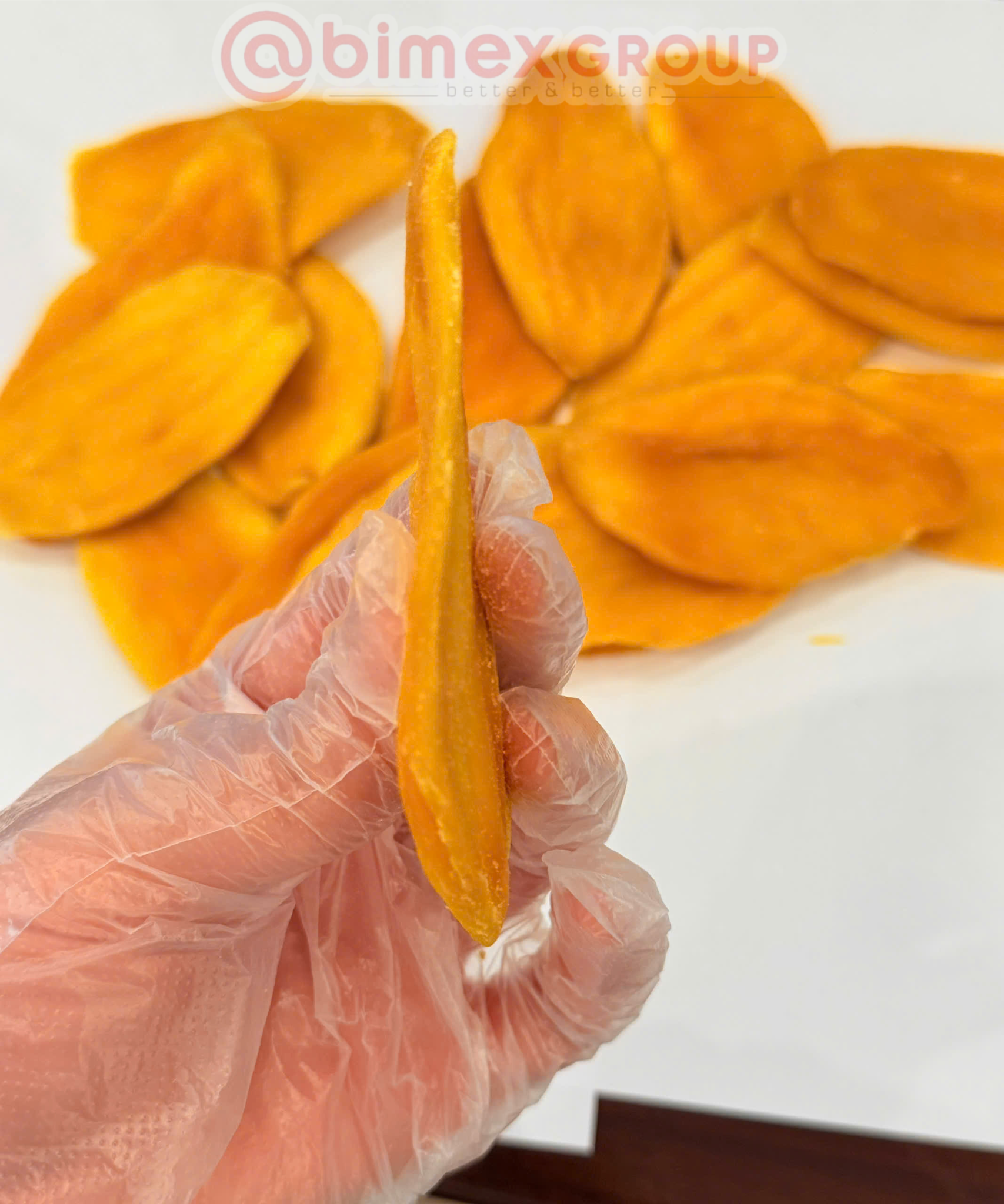
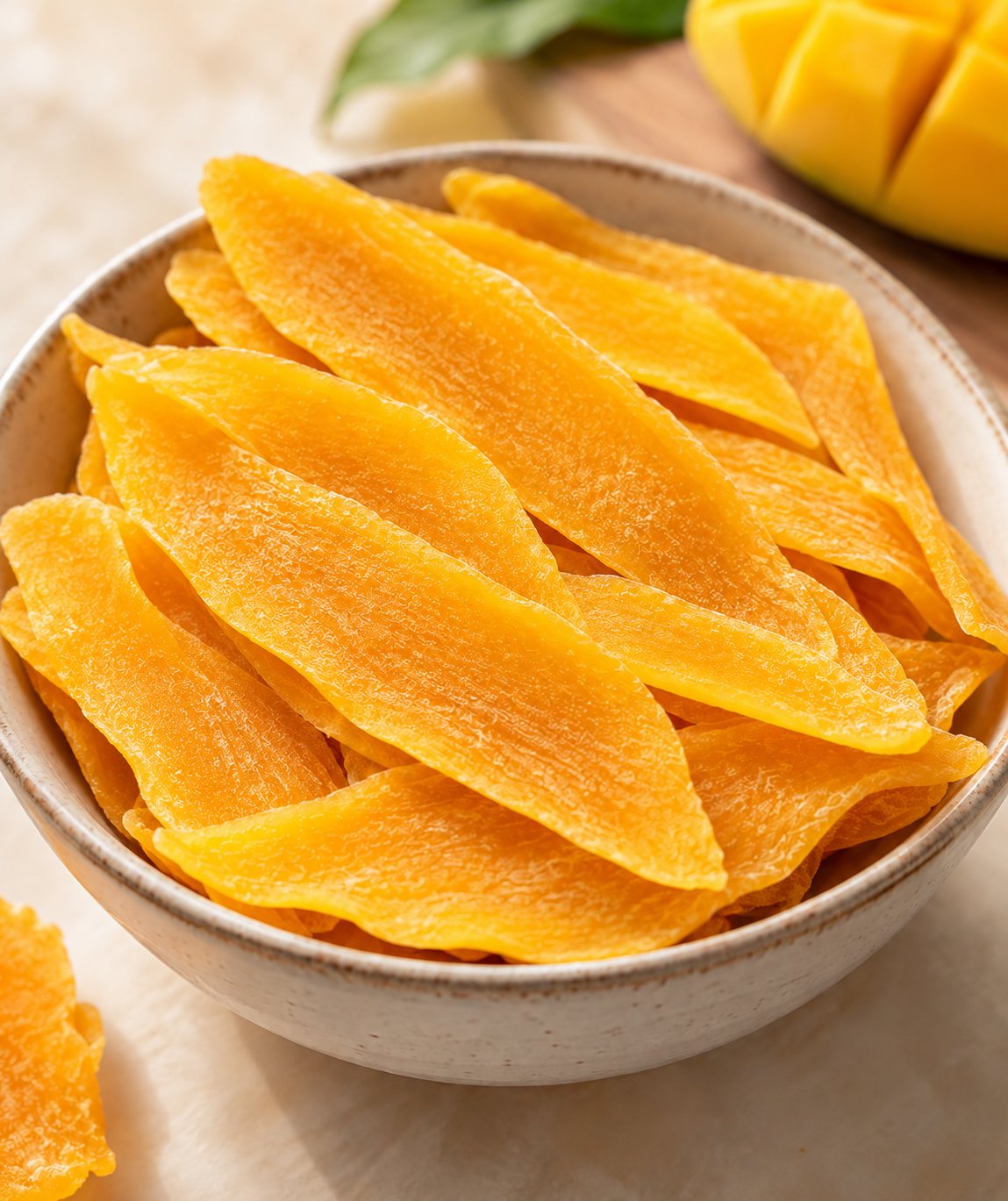
Soft dried mango is mango that has been processed to remove part of its moisture while retaining a flexible, chewy texture.
Depending on the formulation and processing method, the finished product may appear as:
Many dried mango slices are designed to remain soft enough to bend rather than break.
This makes soft dried mango suitable for direct snacking and other applications where a chewy fruit texture is desirable.
The exact texture can vary according to:
For commercial buyers, product specifications should therefore be reviewed carefully rather than assuming all soft dried mango products will have the same texture.
Freeze dried mango is produced using a different process.
In general, the fruit is frozen and moisture is removed under controlled low-pressure conditions.
The resulting product usually has a lighter, more porous structure than conventionally dried mango.
Freeze dried mango is often:
Instead of bending like soft dried mango, it may snap or crumble.
This makes it useful in applications where a crunchy fruit component is preferred.
Texture is one of the clearest differences between the two formats.
Soft dried mango is generally associated with:
It can be eaten directly from the pack and is often positioned as a standalone fruit snack.
Freeze dried mango is generally associated with:
It can break apart easily and may work well as a topping or inclusion.
In simple terms:
Soft dried mango = chewy and flexible
Freeze dried mango = crisp and brittle
Neither texture is universally better.
The best choice depends on the product experience you want to create.
For products built around dried mango slices, mouthfeel is especially important.
Soft dried mango tends to provide a longer chew.
The consumer bites into the fruit and experiences a denser texture.
Freeze dried mango, by contrast, tends to break quickly in the mouth.
This creates a lighter and more immediate crunch.
A brand developing a snack line should therefore ask:
Do we want a chewy fruit snack or a crunchy fruit snack?
That question often helps narrow down the most suitable format.
The drying process also changes how mango flavor is perceived.
Soft dried mango can provide:
Because the fruit remains chewy, flavor may be released gradually as the consumer eats the product.
Freeze dried mango can provide:
Its porous structure can create a different sensory experience from soft dried mango.
However, flavor intensity also depends on:
It would therefore be inaccurate to say one format always has stronger mango flavor than the other.
Appearance can also influence product positioning.
Soft dried mango commonly has:
For direct-to-consumer snack products, larger dried mango slices may create a premium visual impression.
Freeze dried mango may have:
This can fit products where visible fruit pieces are used as:
The correct format depends on how the mango should look inside the final product.
For direct snacking, both formats can work, but they create different experiences.
Soft dried mango may fit consumers looking for:
Freeze dried mango may fit consumers looking for:
The packaging and product positioning should match the expected texture.
Soft dried mango is commonly suitable for:
Its flexible texture can make it easy to pack as individual slices or pieces.
For B2B buyers, important specifications may include:
The exact commercial specification should be agreed between buyer and supplier.
Freeze dried mango may be useful where a lighter, crisp fruit element is needed.
Potential applications include:
Its crisp structure can create textural contrast with softer ingredients.
However, the product may also be more sensitive to moisture exposure because of its porous structure.
Packaging should therefore be selected according to the actual product and intended shelf-life requirements.
Both formats can be used in breakfast concepts, but not in the same way.
Soft dried mango may work when the product needs:
Freeze dried mango may fit when the product needs:
For product developers, the key is to think about how the mango interacts with the rest of the ingredients.
A snack mix can use either format.
Soft dried mango may pair well with:
Freeze dried mango may pair well with:
There is no universal rule.
The desired texture profile should guide ingredient selection.
Mango can also be incorporated into confectionery concepts.
Freeze dried mango may be crushed or used in smaller pieces for:
Soft dried mango may be used as:
The processing conditions of the final product should be tested because moisture interaction can affect texture.
Soft dried mango and freeze dried mango also behave differently during handling.
Because it is flexible, soft dried mango may be less prone to breaking during normal handling.
However, pieces may:
depending on formulation and moisture.
Freeze dried mango can be more fragile.
It may:
during packing or transport.
This means package protection and handling conditions can become important.
Moisture can affect both products, but the effect may be particularly noticeable in freeze dried products because of their porous structure.
If exposed to humid air, crisp pieces may change texture.
For that reason, packaging should be designed around the actual product requirements.
Soft dried mango also requires appropriate packaging to help maintain its intended texture and quality.
The right barrier structure should be confirmed through product and packaging testing.
Both products can support premium positioning, but in different ways.
Soft dried mango may communicate:
Freeze dried mango may communicate:
Premium positioning depends not only on drying method but also on:
The drying method alone does not determine product quality.
Private-label buyers should begin with the target consumer experience.
Questions to consider include:
Answering these questions can make sourcing more efficient.
One common sourcing mistake is to compare only the words “soft dried” and “freeze dried.”
Two products may also differ in:
For a fair comparison, buyers should review the complete specification.
It is important not to assume that one drying method is automatically more nutritious than the other.
Claims related to:
should only be made when supported by appropriate testing and applicable labeling requirements.
This comparison focuses only on texture, flavor, appearance, and application.
Cost can vary significantly depending on:
Therefore, it would be misleading to say that soft dried mango or freeze dried mango always has a cost advantage.
B2B buyers should request quotations based on their exact specifications.
A simple decision framework can help.
Choose soft dried mango when the product concept emphasizes:
Consider freeze dried mango when the concept emphasizes:
This is a general application guide rather than a technical rule.
When sourcing mango products, buyers can provide:
For soft dried mango, buyers may also specify preferences related to formulation and appearance.
A detailed RFQ helps suppliers respond more accurately.
Texture descriptions can be subjective.
Words such as:
can mean different things to different buyers.
Samples allow buyers to evaluate:
For B2B sourcing, sample approval can be an important step before finalizing product specifications.
The comparison between soft dried mango vs freeze dried mango comes down mainly to the eating experience and intended application.
Soft dried mango is generally:
Freeze dried mango is generally:
Neither format should automatically be described as more nutritious, better for vitamin retention, or more cost-effective without supporting evidence.
For product developers, the best approach is simple:
Define the desired texture → Identify the application → Review the specification → Test samples → Select the right format.
Abimex Group supplies Vietnamese soft dried mango for international importers, distributors, retailers, foodservice buyers, and private-label projects.
Buyers can contact us to discuss:
Contact Abimex Group to discuss Vietnamese soft dried mango for your snack or private-label product line.