
CASHEW NUT SHELL OIL

Foreign matter control in soft dried mango is an important part of supplier evaluation for importers, distributors, private-label brands, and food manufacturers. Because mango passes through several stages before becoming a finished dried-fruit product—from receiving and peeling to cutting, drying, sorting, and packing—buyers should understand how a supplier manages the risk of unwanted materials entering the product.
Foreign matter can come from different sources. Depending on the production environment, potential concerns may include natural fruit materials such as seed or peel fragments, as well as packaging debris, metal, plastic, or other unintended materials.
No single control step can eliminate every possible risk. Instead, manufacturers typically rely on multiple preventive and detection measures throughout production.
For B2B buyers, asking the right questions can provide a clearer picture of how foreign matter risks are managed before commercial orders begin.
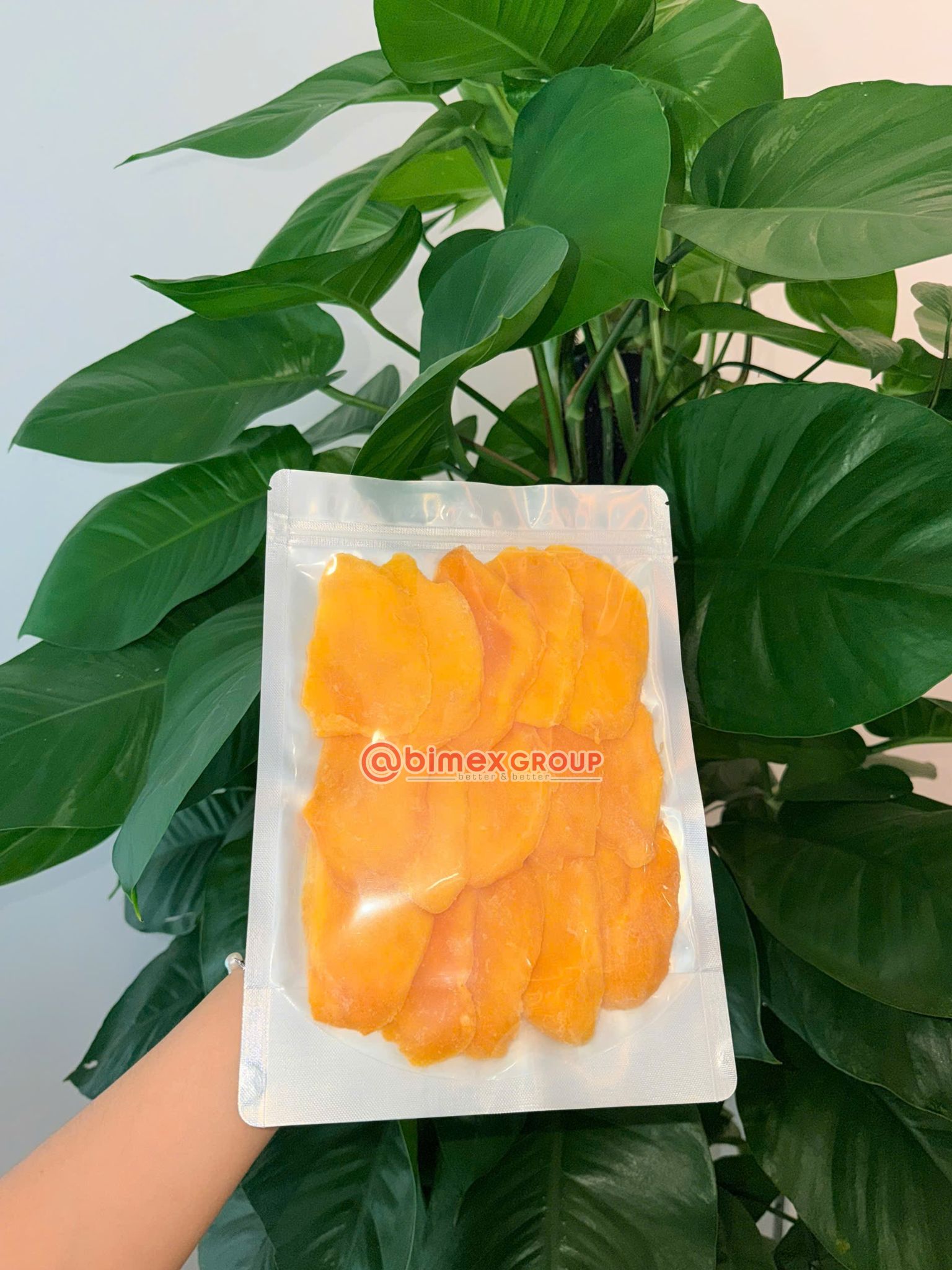
A soft dried mango product may look simple, but its production includes many handling steps.
Fresh mangoes need to be received, inspected, washed, peeled, cut, dried, cooled, sorted, packed, and prepared for shipment. Each stage can introduce different quality-control considerations.
This is why foreign matter control in soft dried mango should not be viewed as one machine or one final inspection. It is better understood as a system of controls that may include raw-material inspection, visual sorting, equipment maintenance, hygiene procedures, metal detection, packaging checks, and final product verification. This layered approach follows the preventive logic of HACCP principles and the Codex Alimentarius food hygiene standards, which many importing markets use as a reference point.
The exact system will vary depending on the manufacturer, production line, destination market, and customer requirements.
Foreign matter management begins before mango enters the main processing line.
Fresh fruit may arrive with soil, leaves, stems, damaged material, or other agricultural debris. Initial inspection and cleaning can help remove unsuitable material before further processing.
Processors may also evaluate the general condition of the fruit before peeling and cutting.
For buyers, useful questions may include:
These controls help reduce the chance that unwanted material travels further into the process.
Mango preparation creates another important foreign matter risk.
During peeling and cutting, workers or equipment must separate edible mango flesh from the peel and seed. Because the mango seed is hard and fibrous, small fragments can sometimes become a concern if cutting is not properly controlled.
This makes seed-fragment management particularly relevant for soft dried mango.
When discussing foreign matter control in soft dried mango, buyers may want to ask how the manufacturer checks mango flesh after seed removal and whether there are defined procedures for identifying hard natural fragments before drying.
The goal is not to assume that seed fragments are present, but to understand what preventive controls are in place.
Visual sorting is one of the most straightforward control steps in dried-fruit processing.
Workers or optical systems, depending on the facility, may inspect mango pieces for visible defects, unusual discoloration, peel remnants, seed fragments, or other unwanted materials.
Manual sorting can be particularly useful for irregular natural products because mango pieces vary in shape, size, and color.
However, visual inspection has limitations.
Very small objects, materials hidden between pieces, or contaminants that resemble the product may be harder to identify visually.
For this reason, sorting works best as part of a broader system rather than as the only foreign matter control.
Metal detection is commonly used in food manufacturing to help identify certain metallic contaminants.
A metal detector may be positioned at a suitable point in the production or packing process, depending on the facility design and product format.
For B2B buyers, asking whether finished soft dried mango passes through metal detection can be useful.
However, metal detection should not be treated as a universal solution.
A detector is designed specifically for detectable metal contamination. It does not necessarily identify non-metallic materials such as wood, seed fragments, certain plastics, or other foreign substances.
Detection performance can also depend on the equipment, product characteristics, packaging format, operating conditions, and validation procedures.
Therefore, buyers should avoid assuming that the presence of a metal detector means all foreign matter risks have been eliminated.
As part of foreign matter control in soft dried mango, buyers can ask suppliers general questions about how their metal detection system is managed.
Useful discussion points may include:
Exact detector sensitivity should be confirmed directly from validated supplier documentation rather than assumed from a general industry value.
Different production systems may use different equipment and operating parameters.
One important distinction for buyers is that seed fragments are not the same as metal contaminants.
Because mango seed material is natural and non-metallic, a conventional metal detector would not be expected to identify it simply because it is hard.
Seed fragment control therefore relies on other preventive and inspection measures.
These may include careful cutting practices, operator inspection, sorting, line design, and final product checks.
When reviewing foreign matter control in soft dried mango, buyers should ask separately about seed-fragment prevention rather than assuming that metal detection covers this risk.
This distinction can help procurement teams ask more meaningful questions during supplier evaluation.
Foreign matter can sometimes originate from production equipment.
Loose fasteners, damaged components, worn cutting surfaces, or broken tools may create contamination risks if equipment is not properly maintained.
Good manufacturing practices therefore typically include preventive maintenance, equipment inspection, tool controls, and procedures for responding to equipment damage.
Buyers do not necessarily need to review every maintenance record, but they can ask whether the supplier has established procedures for equipment inspection and preventive maintenance.
This provides useful context when assessing the overall control system.
Foreign matter risks do not end when drying is complete.
During packing, processors also need to manage packaging materials, seals, liners, labels, cartons, and surrounding work areas.
Damaged packaging materials or careless handling can create additional contamination risks.
For this reason, foreign matter control in soft dried mango should include consideration of the packing stage.
Buyers may want to ask how packaging materials are stored, how the packing area is controlled, and whether finished packs are visually inspected before shipment.
Seal integrity is also important because damaged packaging can expose the product to external contamination after production.
A strong supplier evaluation should combine product samples with relevant documentation.
Depending on the supplier and market, buyers may review information such as:
Not every document will be shared in the same format, and documentation requirements may vary by customer.
The main objective is to understand whether the manufacturer has a structured system rather than relying only on final visual inspection.
A good quality system should also include a clear response when unexpected material is identified.
If a buyer finds a suspected foreign object in a shipment, useful information to document may include:
The buyer should contact the supplier so the issue can be investigated.
The affected product may need to be isolated according to the buyer’s internal quality or food-safety procedures while the supplier reviews production records and traceability information.
The exact response should depend on the nature of the incident and applicable food-safety requirements.
When reviewing foreign matter control in soft dried mango, buyers may consider asking:
These questions can help buyers compare suppliers more effectively without assuming that one control step guarantees complete protection.
Effective foreign matter control in soft dried mango depends on prevention, inspection, detection, documentation, and corrective action working together.
Raw-material checks can reduce agricultural debris. Careful cutting can help manage peel and seed fragments. Visual sorting can remove visible unwanted material. Metal detection can provide an additional check for detectable metallic contaminants. Packaging inspection and equipment controls can further reduce risk.
No individual step should be considered a complete solution.
For B2B buyers, the most useful approach is to understand the supplier’s overall control system, confirm relevant requirements through documentation, and establish clear procedures for reporting and investigating any unexpected findings.
Understanding foreign matter control in soft dried mango can help buyers ask better questions when evaluating suppliers and developing long-term sourcing programs.
Abimex Group supports international B2B buyers sourcing soft dried mango and other processed fruit products for retail, wholesale, private-label, snack, and food-manufacturing applications.
From product specifications and sample discussions to packaging requirements, documentation, and export coordination, Abimex Group works with buyers to support sourcing needs across different markets.
Contact Abimex Group to discuss your soft dried mango requirements, quality expectations, packaging options, documentation needs, and sourcing plans.