
CASHEW NUT SHELL OIL

No-bake coconut energy balls are a simple way to turn desiccated coconut into a convenient snack concept without using an oven.
The basic idea is straightforward: combine a sticky base with desiccated coconut and other preferred ingredients, mix until the ingredients hold together, shape the mixture into small balls, and finish with an optional coconut coating.
For consumers, food bloggers, cafés, and snack brands, the concept is appealing because it is:
However, there is no single formula that works for every ingredient combination. Texture depends on the moisture of the base ingredients, the grind of the desiccated coconut, mixing time, and any additional ingredients used.
The ideas below are therefore general suggestions rather than a tested commercial formulation.
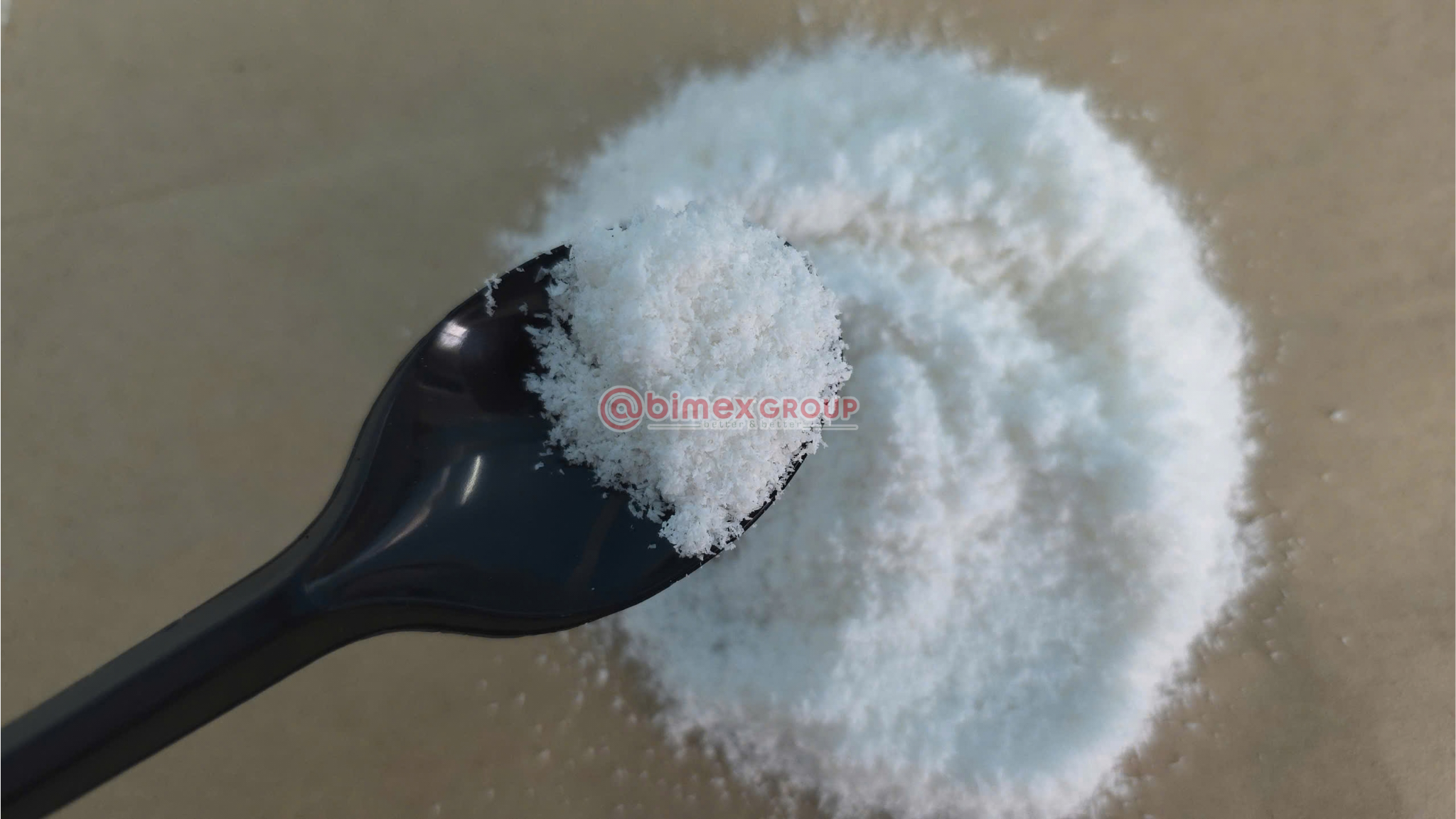
Desiccated coconut can serve several roles in a no-bake mixture.
It may contribute:
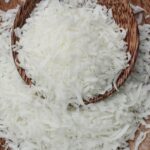
Because it is already dried and finely cut, desiccated coconut can be mixed directly into many snack concepts without additional preparation.
It can also be rolled around the outside of the finished balls to create a recognizable coconut appearance.
This makes no-bake coconut energy balls a practical application for both home use and product-development inspiration.
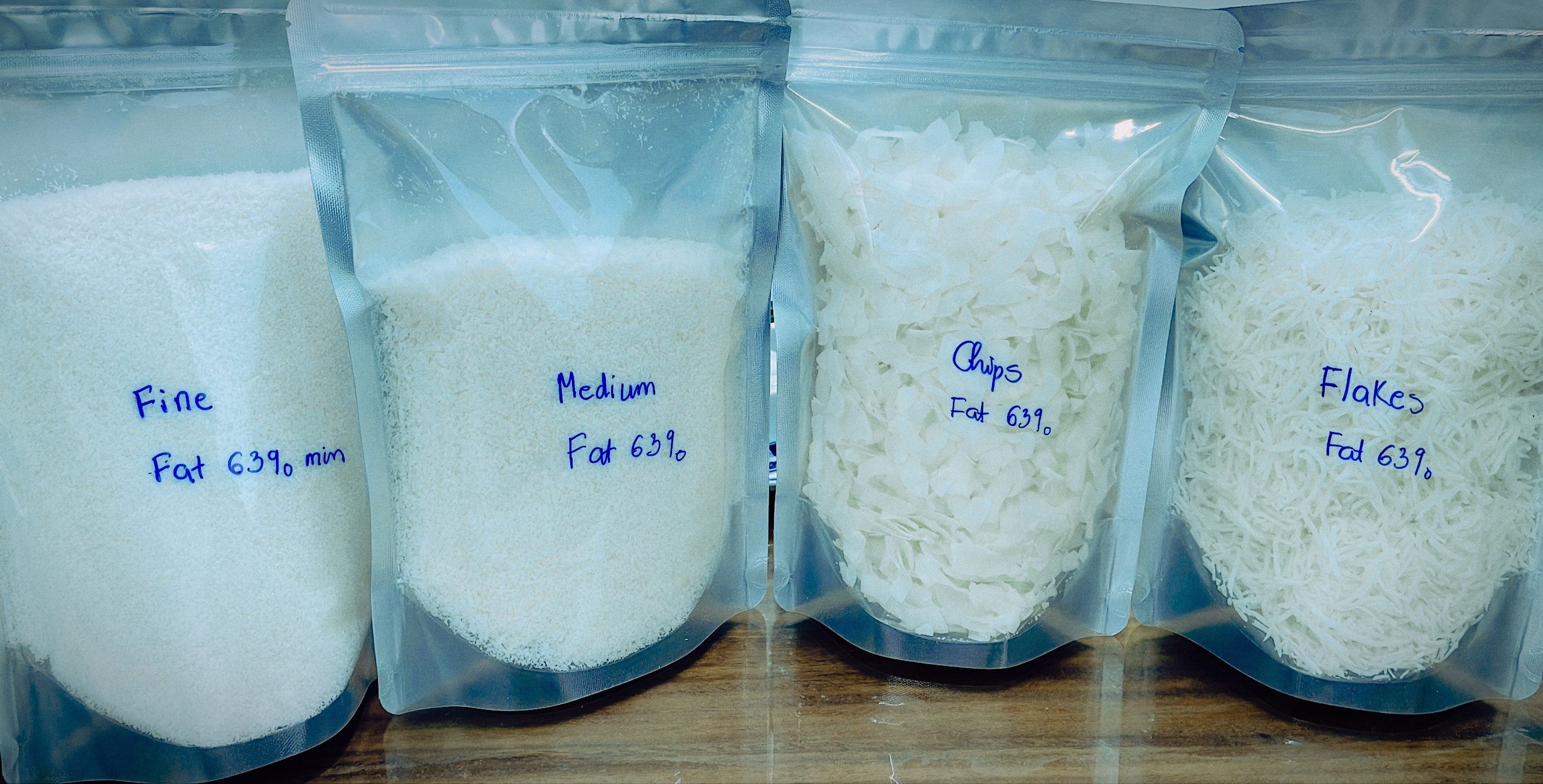
One of the first decisions is which coconut grind to use.
Fine coconut has smaller particles and may:
It can be useful when the goal is a compact, cohesive texture.
Medium coconut provides larger and more visible particles.
It may:
Neither option is automatically better.
The ideal grade depends on the desired texture and appearance.
The basic process for no-bake coconut energy balls can be kept very simple.
A sticky ingredient helps hold the mixture together.
Possible concepts include:
The exact ingredient should be selected according to preference and dietary requirements.
If nuts or nut-based spreads are used, readers should check product labels and allergen information carefully.
Mix desiccated coconut into the sticky base gradually.
The coconut helps provide body and texture.
Rather than adding a fixed quantity, adjust according to the actual consistency.
The mixture should generally become firm enough to shape while remaining cohesive.
If it becomes too dry or crumbly, the ingredient balance may need adjustment.
If it remains too sticky to shape comfortably, additional dry ingredients may be considered.
This is where the concept becomes highly customizable.
Potential additions may include:
The goal is not to add everything at once.
A simple flavor theme can often make the product easier to understand and present.
For example:
or
Coconut + mango
can create clear product concepts.
The mixture should be combined until the ingredients are distributed reasonably evenly.
Depending on the ingredients, mixing can be done using:
Avoid overcomplicating the process.
For social content, the simplicity is part of the appeal.
Take portions of the mixture and gently roll them into balls.
Size can be adjusted according to:
There is no need to use one universal size for every version.
For food businesses, consistent portioning would need to be developed separately during commercial testing.
One of the easiest ways to finish the product is to roll the shaped balls in additional desiccated coconut.
This creates:
Fine coconut may produce a smoother coating, while Medium coconut can give a more textured finish.
This final step also works particularly well on camera.
The most important part of the recipe is achieving a mixture that stays together.
If the mixture is too wet, it may become:
If it is too dry, it may:
Desiccated coconut can help adjust texture, but it is only one part of the system.
The moisture and consistency of the binding ingredients also matter.
Desiccated coconut is a dry ingredient.
When mixed with ingredients containing moisture, the coconut can absorb some of that moisture over time.
This means the texture immediately after mixing may be slightly different from the texture after the mixture rests.
For recipe development, it can be useful to observe the mixture before making large adjustments.
The behavior will vary depending on:
Using coconut only inside the mixture is not the only option.
It can also serve as the main decorative coating.
This is particularly useful for:
The contrast between a darker center and white coconut exterior can create a visually attractive product.
A cocoa-based version can provide strong visual contrast with the outer coconut coating.
The concept is simple:
dark center + white coconut exterior
This combination can work well in:
Specific ingredient quantities should be tested according to the selected formulation.
Small pieces of soft dried mango may be incorporated into a coconut-based mixture.
This creates a tropical concept combining:
The dried mango should be cut appropriately for the intended texture.
Too-large pieces may make shaping more difficult.
Again, the final formulation should be tested before commercial use.
Seeds can add another visual and textural element.
Possible options depend on personal preference and recipe concept.
When adding additional ingredients, consider whether they make the mixture:
Adjust the overall formulation accordingly.
For a stronger coconut-focused concept, desiccated coconut can be used both:
This highlights coconut as the central ingredient.
For retail or café concepts, the final appearance can immediately communicate the main flavor.
No-bake coconut energy balls are especially suitable for 10–30 second recipe videos because the process is visually simple.
A short video can show:
Mix → Roll → Coat → Serve
That is enough to communicate the idea without a long explanation.
For website content, embedding a short video near the top of the article may also help keep visitors engaged.
A simple video could show:
0–3 seconds: Desiccated coconut and selected ingredients.
3–7 seconds: Mix ingredients together.
7–11 seconds: Roll into small balls.
11–14 seconds: Coat with desiccated coconut.
14–15 seconds: Finished plate or close-up.
On-screen text can stay minimal:
“No-Bake Coconut Energy Balls”
and
“Mix • Roll • Coat”
This format is also easy to adapt for Instagram Reels, TikTok, Facebook, and LinkedIn.
This recipe idea is not limited to home cooking.
Food companies can use similar concepts for:
For desiccated coconut suppliers, application content helps buyers visualize how the ingredient may be used beyond traditional bakery applications.
For commercial snack development, factors requiring further testing may include:
A home-style recipe should not automatically be converted into a commercial product without proper formulation work.
Manufacturers need to validate the final system under actual production and storage conditions.
If no-bake snack balls are developed for retail, packaging will need to protect the finished product according to its actual formulation.
Factors may include:
The appropriate packaging cannot be determined from a general recipe alone.
Commercial shelf-life testing should be completed for the specific product.
Yes, but the result will change.
Fine and Medium desiccated coconut are usually easier to incorporate into small snack balls.
Larger:
may provide too much particle size for some formulations but could work as decorative elements.
The best format depends on the intended product.
For homemade versions, storage should follow the requirements of the actual ingredients used in the recipe.
Because different recipes may contain:
there is no universal storage rule for every version.
Consumers should consider the storage instructions of each ingredient and use appropriate food-handling practices.
A general online recipe should not be used to establish a commercial shelf life.
If the recipe includes ingredients such as:
readers should check the labels and allergen declarations for those specific products.
Allergen requirements can vary by ingredient and market.
This article does not determine whether a particular ingredient is suitable for someone with a food allergy.
Consumers with known allergies should review labels carefully and follow appropriate professional guidance.
“Energy ball” is a common descriptive name for this snack format.
It should not automatically be interpreted as a nutritional or health claim.
The nutritional characteristics of the finished product depend entirely on the ingredients and quantities used.
Any commercial nutrition claims should be based on appropriate product analysis and applicable labeling regulations.
For attractive recipe photography:
The coconut coating should remain visible.
For social media, close-up texture shots can be more effective than a wide kitchen scene.
Food manufacturers using desiccated coconut in snack applications may want to discuss:
The most suitable coconut should be selected according to the actual formulation.
As a general starting point:
Fine coconut may be useful for:
Medium coconut may be useful for:
These are application tendencies rather than guarantees.
Product trials remain the best way to select a grade.
For B2B product development, testing actual coconut samples is useful because specifications cannot fully communicate:
Testing Fine and Medium grades side by side can help product developers identify the most suitable option.
No-bake coconut energy balls are a quick and visually attractive way to demonstrate how desiccated coconut can be used beyond traditional bakery products.
The concept can be summarized in four steps:
Mix → Shape → Roll → Serve
Desiccated coconut can function both as:
Fine coconut may provide a smoother texture, while Medium coconut can create a more visible coconut bite.
Because ingredient combinations vary, this recipe should be treated as inspiration rather than a fixed formula.
For the strongest website and social-media presentation, pair the article with a 10–30 second video showing the preparation process.
Abimex Group supplies Vietnamese desiccated coconut for international food manufacturers, bakeries, snack brands, distributors, retailers, and private-label projects.
Different grades and specifications can be discussed according to the intended application.
Buyers can contact us for:
Contact Abimex Group to discuss desiccated coconut for snack applications, bakery products, toppings, and private-label food projects.