
CASHEW NUT SHELL OIL

Tapioca starch in plant-based meat and seafood alternatives can play an important functional role in creating products that hold together, retain moisture, and deliver a more cohesive bite.
Plant-based burgers, meatballs, nuggets, seafood-style cakes, fish alternatives, and other analog products typically rely on several ingredients working together.
These may include:
Within this system, tapioca starch can help support structure and texture.
However, it should not be viewed as a universal replacement for every binder, protein, or texturizing ingredient. The final result depends on the full formulation, processing conditions, and desired finished-product characteristics.
For food manufacturers, the most effective approach is to evaluate tapioca starch as part of a complete formulation and validate its performance through application testing.
Texture is one of the most important development challenges in meat and seafood alternatives.
Consumers may expect products to provide characteristics such as:
Plant proteins can provide important structure, but protein alone may not always create the desired finished texture.
Starches can help fill gaps within the matrix, bind water, and support the product during cooking.
This is where tapioca starch in plant-based meat applications becomes particularly useful.
Binding refers to the ability of a formulation to hold its components together.
In plant-based products, the formulation may contain:
Without enough cohesion, the product may crumble, break during cooking, or lose shape during handling.
When hydrated and heated, tapioca starch can swell and gelatinize.
This can help create a more continuous matrix around other ingredients.
As a result, tapioca starch may support:
The degree of binding depends on the starch grade, hydration level, and interaction with the rest of the formulation.
Plant-based patties need enough structure to survive several stages:
If the matrix is too weak, the patty may crack or fall apart.
Tapioca starch can contribute to binding by helping connect the water phase with protein and other solid ingredients.
During cooking, gelatinized starch may strengthen the internal structure.
However, the desired result should still be balanced.
Too much starch functionality can create a texture that feels overly dense or pasty.
That is why dosage should be established through product trials rather than a universal recommendation.
“Bite” refers to how a product feels when chewed.
In meat alternatives, manufacturers often want a product that is neither:
Tapioca starch is often associated with a smooth, elastic, and cohesive texture.
Depending on the formulation, it can help support:
This can be useful in applications where a more elastic texture is desired.
Examples may include:
The final bite still depends heavily on the protein system and processing method.
The functional behavior of tapioca starch begins when it is heated in the presence of water.
During heating, starch granules absorb water, swell, and gelatinize.
The resulting starch matrix can become flexible and cohesive.
This can support a texture that feels more elastic than a dry or crumbly structure.
In some applications, this helps complement the protein network.
Instead of working independently, the protein and starch systems interact to create the final texture.
Plant-based seafood products often need a different texture profile from plant-based red meat.
Seafood-style products may require:
Examples include:
In these products, tapioca starch may help support a more elastic and cohesive structure.
This can be especially relevant when the manufacturer wants a springy texture similar to processed seafood products.
One of the major challenges in plant-based formulations is keeping enough water within the product during processing and cooking.
Water affects:
If too much water is lost during cooking, the product may become:
Tapioca starch can bind water within the formulation.
When starch gelatinizes, it can help retain some of that moisture within the matrix.
This may support a softer and more cohesive finished product.
Cooking loss refers to material that leaves the product during heating.
This may include:
A well-designed binder system can help reduce unnecessary losses.
Tapioca starch may contribute by helping retain water and stabilize the internal structure.
However, cooking loss is influenced by the entire formulation.
Protein type, fat system, cooking temperature, product shape, and other binders also matter.
Tapioca starch alone cannot guarantee a specific yield.
A plant-based product with poor moisture retention may feel dry even if the flavor is good.
On the other hand, excessive free water can create:
The goal is controlled moisture retention.
Tapioca starch can help manage water within the matrix, but the formula still needs the correct balance between:
Application testing is therefore essential.
Plant-based nuggets often need both internal cohesion and sufficient firmness to survive coating, frying, baking, or reheating.
Tapioca starch can help support the internal matrix.
Potential benefits may include:
The outer coating and internal formulation should still be developed as separate functional systems.
Starch inside the nugget should not be expected to solve every coating or frying issue.
Plant-based sausages require good structural stability because they may need to withstand:
The internal matrix needs to remain cohesive without becoming excessively hard.
Tapioca starch may support:
The casing, protein system, fat emulsion, and processing conditions are also important.
Manufacturers may choose between native and modified tapioca starch depending on the application.
Native tapioca starch may be suitable where:
It can support thickening, binding, and texture development.
Modified starch may be considered where more process stability is needed.
Depending on the specific grade, it may provide better resistance to:
This may be useful in frozen, chilled, or highly processed plant-based products.
However, not all modified starches perform the same way.
The correct grade should be selected according to the application.
Frozen alternatives create additional formulation challenges.
Products may experience:
These steps can affect water distribution and texture.
Some modified tapioca starches may be designed to provide improved freeze-thaw stability.
This can help reduce undesirable water separation or texture changes.
The suitability of a particular starch grade should still be confirmed through frozen-storage and reheating trials.
Plant-based products may use protein sources such as:
Each protein behaves differently.
Some form strong structures.
Others may require more support from starches, gums, or fibers.
Tapioca starch can complement these protein systems, but it does not perform the same function as protein.
Protein provides one type of structural network, while starch primarily contributes through hydration, gelatinization, and water management.
A common mistake is assuming that one starch can replace all other functional ingredients.
Plant-based products may also use:
These ingredients may provide different functions.
For example, one ingredient may improve:
while another may improve:
A successful product may therefore use several functional ingredients together.
Different starches can create different textures.
A manufacturer may combine tapioca starch with other starches to balance:
Tapioca starch may contribute a smoother or more elastic character, while another starch may provide additional firmness.
The right blend depends on the target product.
Raw texture alone does not always predict the finished product.
A plant-based patty may feel firm before cooking but become soft after heating.
Another may seem loose before cooking but develop better structure once the starch gelatinizes.
Manufacturers should therefore evaluate products at several stages:
This provides a more complete understanding of functional performance.
Texture may continue changing after processing.
During chilled or frozen storage, water can redistribute within the product.
This may influence:
For commercial products, shelf-life and storage testing should therefore form part of formulation development.
Tapioca starch performance depends on how it is processed.
Important variables may include:
A starch that performs well in one process may behave differently in another.
Manufacturers should test the ingredient using the same equipment and processing conditions planned for commercial production.
The order in which ingredients are added can affect hydration and dispersion.
For example, starch may behave differently depending on whether it is:
The best process depends on the formulation and equipment.
This should be determined experimentally rather than assumed.
More starch is not automatically better.
Excessive starch contribution may create:
The goal is balance.
The starch should support the product rather than dominate the sensory experience.
If the binder system is insufficient, products may:
Tapioca starch may help address these issues, but the underlying formulation should also be reviewed.
Protein hydration, fat distribution, and processing may all contribute.
Tapioca starch is generally valued for having a relatively neutral flavor and light appearance.
This can be useful in plant-based applications where manufacturers do not want the starch to introduce a strong taste or color.
For seafood-style products in particular, a light-colored starch can help support a cleaner visual appearance.
The final color still depends on the full formulation and processing.
Tapioca starch can also contribute to a smooth texture when properly hydrated and processed.
This can be useful in products where excessive graininess would be undesirable.
A smooth starch matrix may support:
This can complement protein and fiber components.
There is no universal tapioca starch dosage or grade for every plant-based formulation.
Manufacturers should conduct pilot trials.
Useful evaluation criteria include:
Testing should reflect the actual commercial application.
When sourcing tapioca starch in plant-based meat or seafood alternatives, manufacturers should communicate:
Providing more application information can help the supplier recommend a more appropriate starch grade.
Tapioca starch is a functional ingredient.
Its use in a plant-based product should not automatically be interpreted as making that product healthier, more nutritious, or superior to another product.
Nutritional characteristics depend on the complete formulation.
Any nutritional or health claims should be based on appropriate analysis and applicable regulations.
The term “plant-based” covers many different formulations.
Two plant-based burgers can have very different:
The same applies to seafood alternatives.
Tapioca starch should therefore be selected based on the actual technical requirements of the product rather than the general category name.
Tapioca starch in plant-based meat and seafood alternatives can provide useful functional support in three major areas:
Binding – helping ingredients form a more cohesive matrix.
Bite – supporting elasticity, springiness, and a more cohesive texture.
Moisture retention – helping manage water during cooking and storage.
These properties can make tapioca starch useful in applications such as:
However, tapioca starch should not be considered a universal replacement for every protein, binder, hydrocolloid, or starch system.
The most effective formulation depends on:
For food manufacturers, the best approach is:
Define the target texture → Select an appropriate starch grade → Run application trials → Evaluate cooked and stored products → Optimize the complete formula.
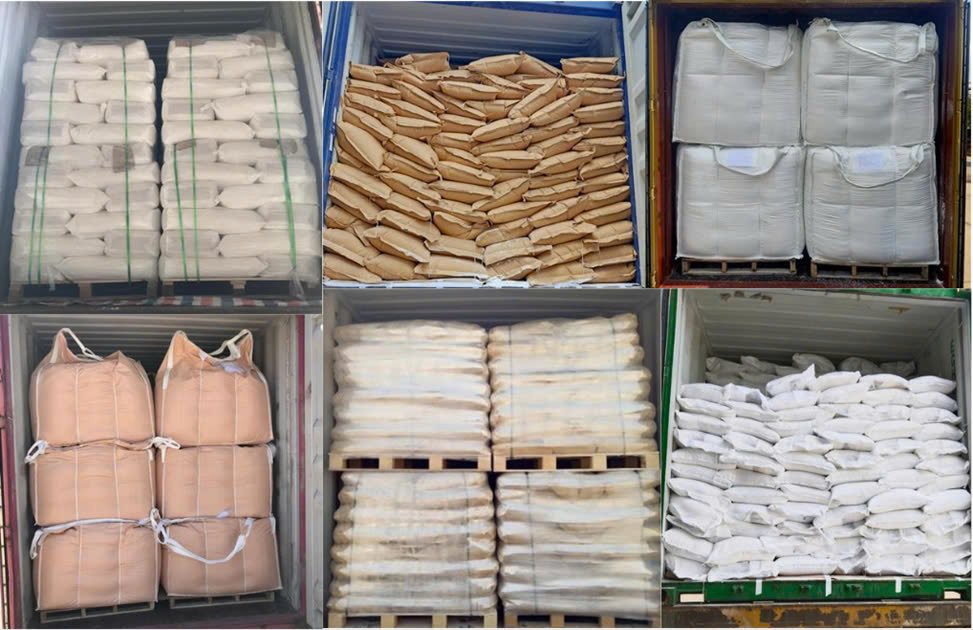
Abimex Group supplies Vietnamese native and modified tapioca starch for international food manufacturers, ingredient distributors, and industrial buyers.
Different starch grades can be discussed according to processing requirements and intended applications.
Buyers can contact us for:
Contact Abimex Group to discuss tapioca starch for plant-based meat, seafood alternatives, and other processed food applications.