CASHEW NUT SHELL OIL

CASHEW NUT SHELL OIL
RICE PROTEIN POWDER
RICE PROTEIN POWDER
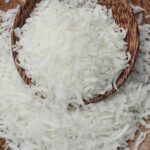
DESICCATED COCONUT
Global coconut market growth is becoming one of the most discussed topics in the food ingredient and agricultural export industries. Driven by rising consumer demand for plant-based products, healthy ingredients, and sustainable food sources, the coconut industry continues to expand across international markets. For importers, distributors, food manufacturers, and private label brands, understanding the latest market trends and statistics is essential for making smarter sourcing decisions.
From desiccated coconut and coconut milk to virgin coconut oil and coconut water, coconut-derived products are now used in bakery, confectionery, dairy alternatives, snacks, beverages, cosmetics, and health foods. As the industry evolves, buyers are increasingly looking for reliable suppliers, competitive pricing, and consistent product quality.

Table of Contents
ToggleThe rapid global coconut market growth can be linked to several major factors. One of the strongest drivers is the increasing popularity of vegan, keto, gluten-free, and clean-label products. Coconut ingredients fit perfectly into these food trends because they are natural, versatile, and widely accepted in health-conscious markets.
According to industry reports, the global coconut products market is projected to grow steadily over the next several years, with Asia-Pacific remaining the dominant production region. Countries such as Vietnam, Indonesia, the Philippines, India, and Sri Lanka continue to play a key role in supplying coconut-based ingredients to global buyers.
The bakery and confectionery industries are also contributing significantly to global coconut market growth. Desiccated coconut, in particular, is widely used in cakes, cookies, cereal bars, chocolates, and snack products. As food manufacturers continue to innovate, demand for high-quality coconut ingredients keeps increasing.
Understanding market statistics can help importers and sourcing managers evaluate future opportunities and risks. Here are several important figures shaping the industry today:
For buyers, these numbers indicate a strong long-term outlook for coconut ingredients and related products.
As global coconut market growth expands, Vietnam is becoming increasingly attractive to international buyers. The country offers several advantages that make it competitive in the global supply chain.
First, Vietnam has favorable agricultural conditions for coconut cultivation, particularly in regions such as Ben Tre and the Mekong Delta. Second, many Vietnamese manufacturers are investing heavily in modern processing technologies, food safety systems, and export certifications.
Additionally, Vietnam’s strategic location in Southeast Asia supports efficient shipping to key international markets. Buyers looking for stable supply, competitive pricing, and flexible packaging solutions are now considering Vietnamese suppliers more seriously than ever before.
Another important factor supporting global coconut market growth is the ability of suppliers to meet international quality standards such as HACCP, ISO, Halal, Kosher, and FDA compliance. Buyers increasingly prioritize suppliers who can provide traceability, consistent moisture control, and strict quality assurance.
Desiccated coconut remains one of the fastest-growing categories within the coconut industry. Food manufacturers use it in a wide range of applications because of its flavor, texture, shelf stability, and versatility.
The increasing use of desiccated coconut in healthy snacks, granola products, bakery items, and vegan desserts is contributing directly to global coconut market growth. Consumers today are actively seeking ingredients perceived as natural and minimally processed, making coconut products especially attractive.
There is also growing demand for organic and unsweetened desiccated coconut, particularly in premium retail markets. Buyers are now more focused on sourcing products that align with sustainability and clean-label trends.
Sustainability is no longer optional in the food ingredient industry. Many international buyers now evaluate suppliers based not only on price but also on environmental and social responsibility.
This shift is influencing global coconut market growth in several ways. Manufacturers are increasingly adopting eco-friendly production methods, reducing waste, and improving energy efficiency. Coconut by-products such as shells, husks, and coconut water are also being utilized more effectively to support circular economy initiatives.
For buyers, partnering with sustainable suppliers can improve brand image and strengthen long-term customer trust. As a result, coconut suppliers that invest in sustainability practices are gaining a stronger competitive advantage.
Despite the positive outlook, buyers should still pay attention to several industry challenges. Climate change, fluctuating raw material prices, labor shortages, and logistics disruptions can all impact supply stability.
As global coconut market growth continues, competition among suppliers is also increasing. Buyers should carefully evaluate supplier reliability, production capacity, food safety standards, and delivery performance before entering long-term agreements.
Working with experienced exporters who understand international market requirements can help reduce sourcing risks and improve supply chain efficiency.
The strong momentum behind global coconut market growth reflects changing consumer preferences, expanding food innovation, and rising global demand for plant-based ingredients. For importers and food manufacturers, understanding market trends and sourcing from reliable partners will become increasingly important in the years ahead.
As the coconut industry continues to evolve, buyers who stay informed and build strategic supplier relationships will be better positioned to succeed in competitive international markets.
If you are looking for a trusted supplier of high-quality coconut products from Vietnam, Abimex Group is ready to support your business growth. With a strong commitment to quality, food safety, competitive pricing, and reliable export services, Abimex Group provides desiccated coconut and other coconut-based products tailored to international market standards.
Contact Abimex Group today to explore partnership opportunities and discover how Vietnamese coconut products can add value to your business.