CASHEW NUT SHELL OIL

CASHEW NUT SHELL OIL
RICE PROTEIN POWDER
RICE PROTEIN POWDER
DESICCATED COCONUT
In the fast-evolving global starch market, tapioca starch is emerging as a highly versatile, plant-based ingredient used in diverse sectors such as food, pharmaceuticals, textiles, paper, and biodegradable packaging. Traditionally rooted in Asian culinary practices, tapioca starch is now experiencing a wave of technological innovation — particularly through the development of modified starch technologies. These advancements cater to the growing global demand for clean-label, functional, and sustainable ingredients.
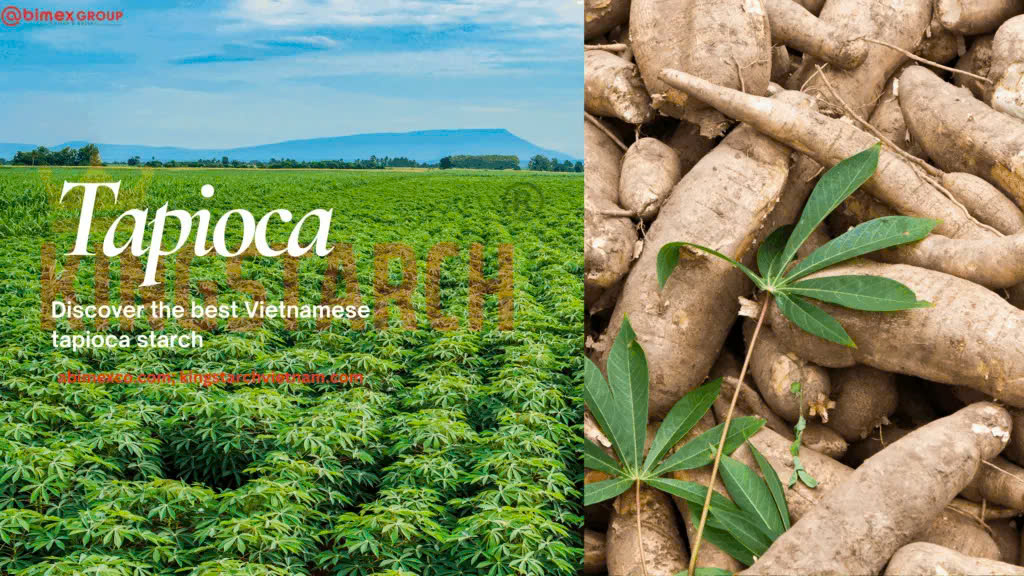
Table of Contents
ToggleModified tapioca starch is derived through physical, enzymatic, or chemical processes that improve its stability, functionality, or resistance under specific industrial conditions. Several key factors are driving the global rise in demand:
Food Industry Needs: Consumers seek gluten-free, allergen-free products with better texture, moisture retention, and shelf life.
Industrial Applications: Modified starches improve binding, thickening, and film-forming in non-food sectors.
Sustainability Advantage: Tapioca, a renewable crop cultivated primarily in Southeast Asia, provides a low-cost and eco-friendly alternative to corn or wheat starch.
According to Lucintel and Future Market Insights, the tapioca starch market is expected to grow at a CAGR of 5.1% between 2025 and 2031/2035, reaching over USD 7.8 billion by 2035.
Meanwhile, the global modified starch market (across all starch sources) is forecast to grow at a CAGR of 4.4% to 5.3% depending on the region and product type, reflecting robust demand from food and industrial manufacturers.
Today’s manufacturers focus on clean-label compliance, eco-efficiency, and tailored performance. Key innovations include:
This method uses enzymes like amylase to restructure starch molecules naturally — qualifying for “clean-label” use. Ideal for:
Calorie-reduced sweeteners
Infant nutrition and health drinks
Stabilizers in dairy-free products
These starches are processed without chemicals through heat and shear. Applications:
Instant soups and sauces
Pharmaceuticals and cosmetics
Ready-to-eat and frozen foods
Processes such as acetylation and cross-linking are used to enhance resistance to heat, acids, and mechanical stress. These are widely used in:
Textile and paper industries
Biodegradable films and packaging
Oil drilling fluids and adhesives
While some food markets are cautious about chemically modified starches, they remain essential in high-performance technical products.
Eco-conscious producers are integrating waste valorization systems that transform cassava wastewater into:
Biogas for powering machinery
Liquid sugar for bioethanol production and animal feed
Abimex Group, a leading manufacturer based in Vietnam, actively applies such practices to align with ESG principles, while also reducing operational costs and emissions.
Countries like Thailand, Vietnam, and Indonesia collectively dominate over 80% of global tapioca starch exports. In particular, Vietnam is rapidly gaining attention for its efficient supply chain, competitive pricing, and commitment to quality.
Vietnam is emerging as one of the world’s key suppliers of tapioca starch, thanks to its abundant cassava cultivation, cost-effective production, and improving manufacturing standards. The country consistently ranks among the top three global exporters of tapioca starch, alongside Thailand and Indonesia. Vietnamese starch producers are increasingly adopting modern processing technologies and obtaining international certifications such as ISO, HACCP, Halal, and Kosher to meet the growing demands of overseas markets. Coupled with Vietnam’s participation in major free trade agreements (EVFTA, RCEP, CPTPP), this has significantly enhanced the country’s export potential and its position in the global value chain.
From gluten-free foods and vegan meats to compostable packaging and oilfield chemicals, tapioca starch — especially its modified forms — is poised for substantial growth through 2035.
Key global trends shaping the future of tapioca starch include:
Expansion of plant-based and allergen-free diets
Rise of biodegradable packaging and textiles
Growth in emerging markets (Africa, Latin America, the Middle East)
Modified tapioca starch is no longer a niche product — it’s becoming an essential material in food, pharmaceutical, and industrial sectors. As market demands evolve, companies that invest in innovation, traceability, and sustainable production will lead the way.
With its technical expertise, international standards, and sustainable practices, Abimex Group is proud to be at the forefront of this movement — delivering high-quality tapioca starch solutions to partners around the world.