
CASHEW NUT SHELL OIL

How to soften dried mango is a useful question when mango slices become firmer, chewier, or drier than expected. This can happen because different dried mango products are manufactured to different textures, or because the fruit loses additional moisture after the package has been opened and exposed to dry air.
The good news is that dried mango can often be made softer by carefully reintroducing moisture.
The goal is not to turn dried mango back into fresh mango. Drying changes the fruit’s structure, texture, and concentration of soluble components. Instead, rehydration can make hard pieces more tender and easier to chew or incorporate into recipes.
The best method depends on whether the mango will be eaten directly or used in bakery, cereal, desserts, sauces, or other food applications.
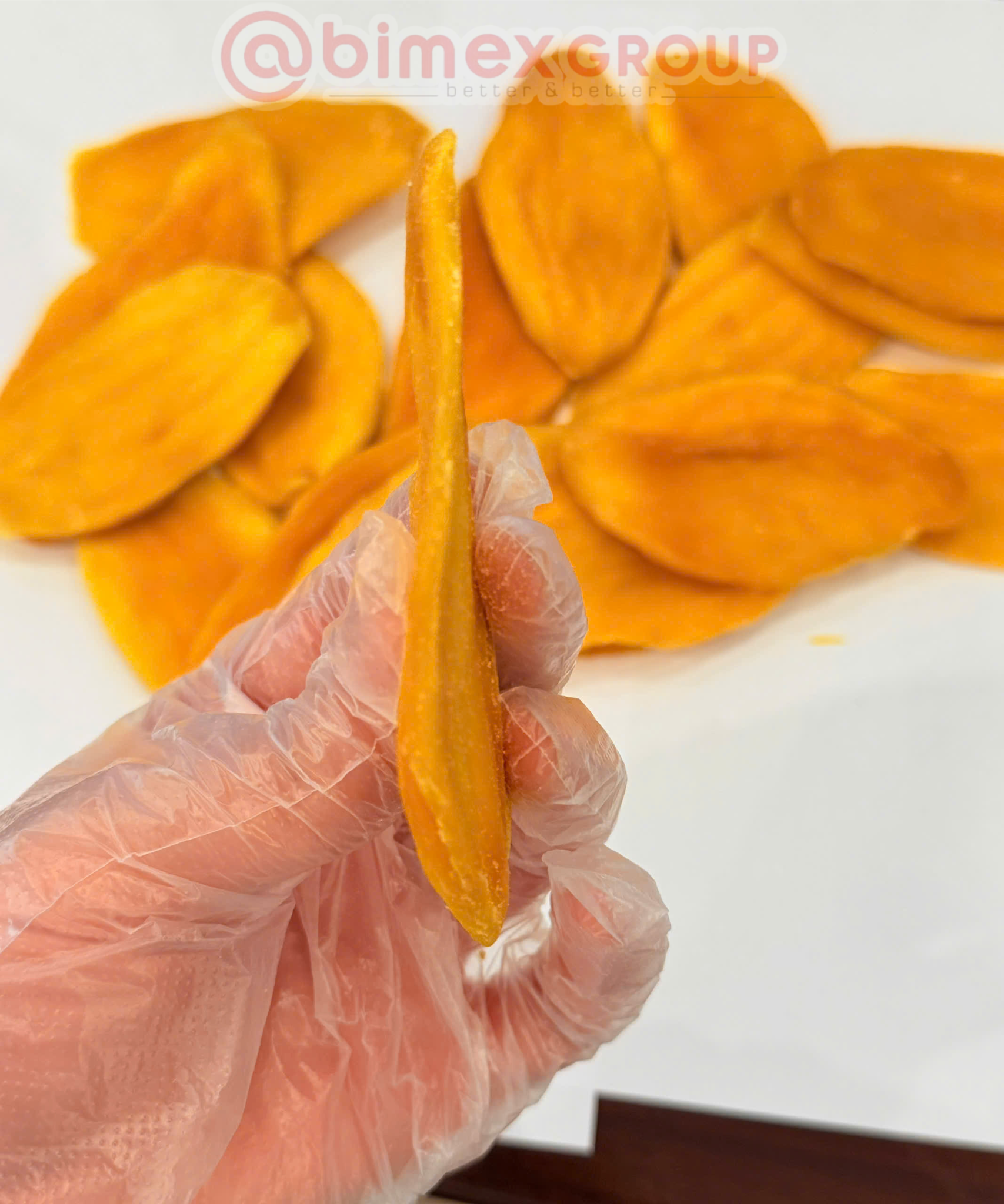
Before looking at how to soften dried mango, it helps to understand why the texture may change.
Dried fruit contains much less water than fresh fruit. Its final texture depends on several factors, including the original mango, slice thickness, drying process, formulation, moisture level, packaging, and storage environment.
After opening, dried mango may also exchange moisture with the surrounding air. In a dry environment, the product can gradually become firmer.
Different pieces within the same package may not feel identical either. Thick pieces and thin pieces can dry or rehydrate at different rates.
A hard texture does not automatically mean the product is spoiled. However, dried mango with mold, unusual odors, unexpected fermentation, damaged packaging, or other signs of deterioration should not be “fixed” by rehydration. It should be discarded or evaluated according to the supplier’s food-safety guidance.
One of the easiest methods is to expose the dried mango to water.
Place the mango in a clean container and add enough warm or hot water to contact the pieces. Let the fruit absorb moisture until it reaches the texture you want.
For dried fruit intended for cooking, Colorado State University Extension recommends covering dried fruit with boiling water and allowing it to soak until tender. It also notes that dried fruit can be simmered in water until tender.
The important point is to check the mango during the process.
Very thin slices may soften relatively quickly, while thick or heavily dried pieces may require more time. Leaving dried fruit in water longer than necessary can create an overly soft or waterlogged texture.
The National Center for Home Food Preservation similarly advises against excessive soaking because it may result in flavor loss and a mushy texture.
Learning how to soften dried mango does not always mean fully rehydrating it.
If the mango is only slightly too firm, using a smaller amount of moisture can help maintain a chewy texture.
Instead of completely submerging the pieces, they can be lightly exposed to moisture in a controlled way and checked regularly.
The purpose is to allow some water to move back into the fruit without making the surface excessively wet.
This approach can be useful when dried mango will still be eaten as a snack rather than cooked into another food.
Because commercial dried mango products vary widely in thickness, formulation, and initial moisture, there is no universal soaking time that works for every product.
Texture should be checked directly.
Steam can provide another way to introduce moisture without fully immersing the fruit in water.
A small amount of dried mango can be exposed briefly to gentle steam until the pieces become more flexible.
This can be useful when you want to soften the surface and interior while minimizing direct contact with water.
The process should be controlled carefully because heat can also affect texture, aroma, and flavor.
Once the mango becomes sufficiently pliable, remove it from the steam and allow it to cool before evaluating the final texture.
This method is better suited to immediate use than long-term storage.
Another approach to how to soften dried mango is to let the surrounding food provide the moisture.
Dried mango used in oatmeal, cooked cereal, pudding, sauces, fillings, or other moisture-containing recipes can gradually absorb liquid during preparation.
The National Center for Home Food Preservation notes that some dried foods can be added directly to foods containing sufficient liquid and rehydrate as the dish cooks.
For product developers, this is particularly useful because dried mango may not need to be fully softened before being added to every recipe.
The better question is often how the mango behaves after contact with the complete formulation.
For example, a mango cube added to a moist bakery filling may become softer during processing, while the same cube in a dry snack mix may remain relatively chewy.
Application testing is therefore important.
Large or thick dried mango slices may soften unevenly.
The outside can become soft while the center remains firm.
Cutting the mango into smaller pieces before adding moisture increases the amount of surface exposed to water and can help the pieces rehydrate more evenly.
This can be useful for mango intended for cereal, bakery products, fillings, yogurt-style applications, or mixed desserts.
It can also make texture easier to control because smaller pieces generally require less moisture penetration than thick whole slices.
However, cutting also changes the visual appearance and eating experience, so it may not be suitable when whole mango slices are part of the product presentation.
The biggest mistake in rehydration is usually adding too much water or leaving the fruit in contact with water for too long.
Dried mango does not need to return to the texture of fresh fruit.
For many applications, the ideal result is simply more flexible, tender, and pleasant to chew.
A practical approach is to use gradual rehydration. Add moisture, allow time for absorption, check the texture, and continue only if necessary.
Thickness also matters. If a package contains pieces of different sizes, smaller slices may need to be removed before thicker ones reach the desired softness.
This helps prevent some pieces from becoming overly wet while others remain firm.
This is an important food-safety consideration when learning how to soften dried mango.
Drying helps preserve food by reducing available moisture. Once substantial water is added back, the storage characteristics of the product change.
The National Center for Home Food Preservation advises that once dried fruits or vegetables are reconstituted, they should be treated as fresh foods. It also advises refrigeration when soaking extends beyond a longer room-temperature period.
For practical purposes, rehydrated mango should therefore be prepared in clean conditions and used promptly or refrigerated appropriately.
Do not rehydrate dried mango and then assume it can be stored in exactly the same way as the original unopened dried product.
For commercial applications, how to soften dried mango becomes more than a kitchen question.
Manufacturers should consider how dried mango interacts with the full product system.
Important factors can include:
A mango inclusion that feels slightly firm before production may reach the desired texture after sitting in a moist formulation. Conversely, a mango piece softened before processing may become too soft later.
For this reason, industrial users should validate the process in the actual formulation rather than relying only on a stand-alone soaking test.
Not always.
Some dried mango products are intentionally processed to have a firmer texture. Others may have become very dry during prolonged or unsuitable storage.
Rehydration can increase tenderness, but it cannot completely reverse every structural change caused by drying.
It also cannot correct spoilage, contamination, unusual odors, or other quality problems.
If the product shows mold or smells abnormal, adding water is not an appropriate solution. Colorado State University Extension recommends discarding dried foods that develop off odors or signs of mold.
Understanding how to soften dried mango comes down to controlled moisture management.
Warm or hot water can provide straightforward rehydration. Gentle steam may help when less direct water contact is preferred. Moisture-rich recipes can soften mango naturally during preparation, while cutting large slices into smaller pieces can help improve the uniformity of rehydration.
There is no universal method that works perfectly for every dried mango.
The ideal approach depends on the original product, slice thickness, formulation, desired texture, and final application.
For consumers, gradual rehydration helps avoid mushiness. For food manufacturers, testing the mango directly in the intended recipe provides the most useful information.
If your business is researching how to soften dried mango because texture is important to your final application, starting with the appropriate dried mango specification can reduce the amount of adjustment required during production.
Abimex Group supports international B2B buyers sourcing soft dried mango for retail snacks, private-label products, bakery, cereals, confectionery, snack mixes, and other food-manufacturing applications.
From product formats and texture discussions to specifications, samples, packaging requirements, documentation, and export coordination, Abimex Group works with buyers to identify suitable options for different markets.
Contact Abimex Group to discuss your soft dried mango requirements, preferred cut, texture expectations, packaging options, and sourcing plans.