CASHEW NUT SHELL OIL

Scroll through any food video app today and you will likely see coconut in some form: a bowl of granola dusted with white flakes, a slab of glossy coconut bark snapping under a knife, or a creator toasting coconut in a skillet until the kitchen smells like a bakery.
Viral coconut recipes have become one of the most reliable content categories in the food space, and desiccated coconut is quietly doing most of the work behind the scenes.
For food manufacturers, private-label brands, and content creators, understanding why viral coconut recipes keep resurfacing is more than a curiosity. It points to a durable ingredient trend, not a passing moment, and desiccated coconut sits right at the center of it.
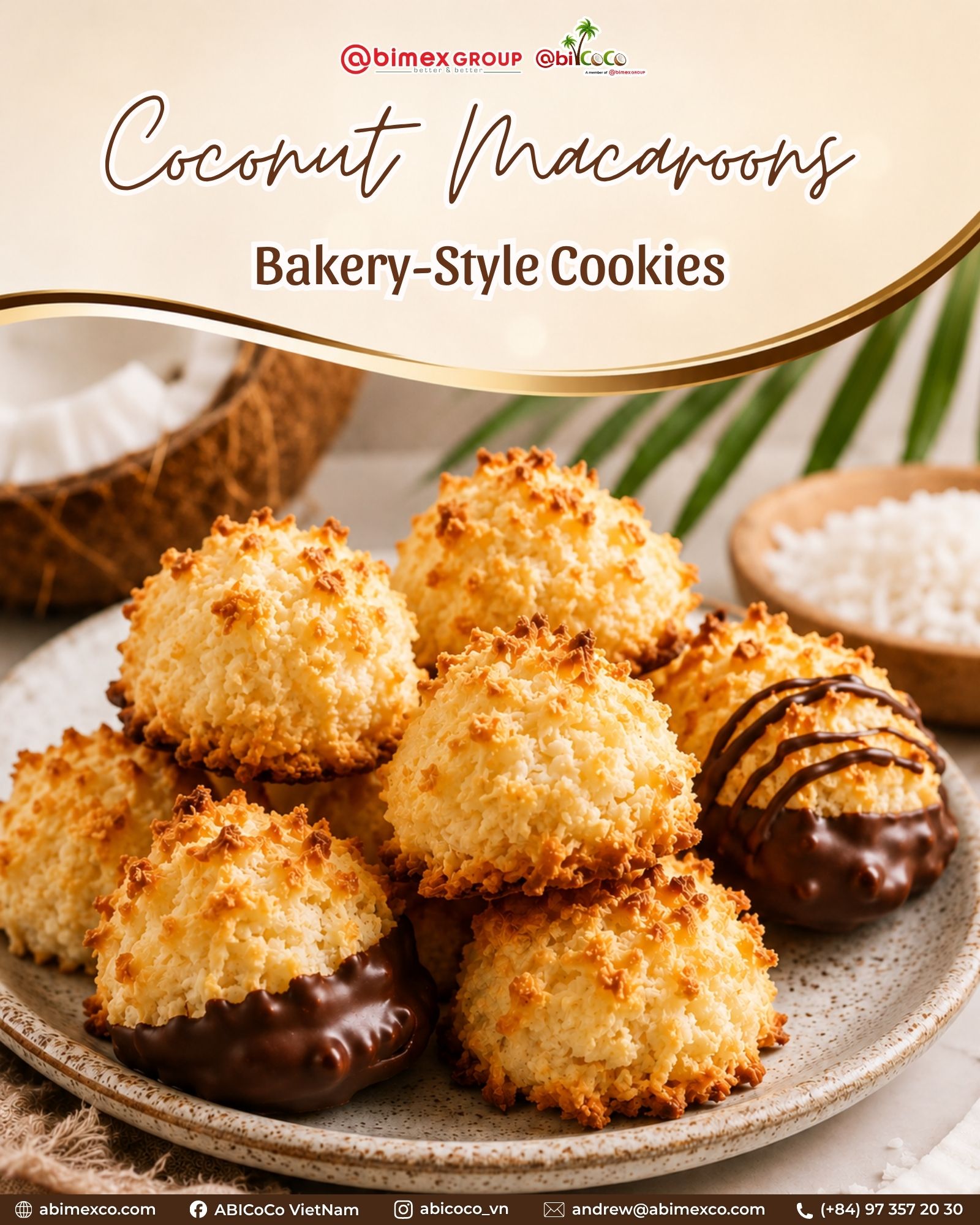
Short-form video platforms reward recipes that are visual, quick to prepare, and satisfying to watch. Coconut checks every box.
Its bright white color photographs well against almost any background, it reacts visibly to heat by toasting to a golden brown, and it adds an audible crunch that performs well in videos with sound on. These are exactly the qualities that turn an ordinary recipe into a viral coconut recipe.
At the same time, consumers are searching for snacks and desserts that feel indulgent but still fit a “better-for-you” narrative. Coconut, especially in its desiccated form, offers natural sweetness, healthy fats, and a clean-label ingredient story that appeals to both indulgence-seekers and health-conscious audiences at once.
Not every coconut product performs equally well on camera or in a home kitchen. Desiccated coconut has specific properties that make it especially popular among recipe developers and content creators.
Desiccated coconut is made by grating and drying fresh coconut meat until most of the moisture is removed, which is what gives it a long shelf life.
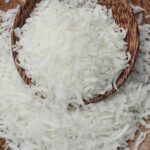
Because it is finely dried and shredded, it clings easily to chocolate, yogurt, and batters, creating the coated, textured look that performs well in close-up video shots. Fine and medium grades create a snowy, delicate finish, while coarser grades give a rustic, bakery-style texture.
Unlike fresh coconut, desiccated coconut requires no cracking, draining, or grating. It can be measured directly from the bag, which matters for creators filming quick recipes and for manufacturers developing ready-to-use snack and dessert mixes.
Across recipe platforms, a handful of formats keep reappearing with small variations. Here are seven of the most common viral coconut recipes built around desiccated coconut.
A single viral coconut recipe can drive a temporary spike in searches, but the pattern behind it is what matters commercially. Repeated waves of coconut-forward content signal sustained consumer interest in coconut as a flavor and texture, not just a one-time novelty.
This creates real opportunities for granola, snack bar, bakery, and confectionery brands to introduce or expand coconut-based product lines, and for private-label buyers to develop products inspired directly by trending recipe formats.
For inspiration, brands and home cooks can browse our full list of desiccated coconut recipes for additional formats beyond the seven listed above.
Because desiccated coconut is a shelf-stable, bulk-friendly ingredient, manufacturers can scale a recipe concept from a home kitchen video into a packaged product far more easily than with fresh coconut or other perishable ingredients.
Not all desiccated coconut performs the same way in recipes or on camera. A few specifications make a noticeable difference.
Fine and medium grinds are best for coatings, baked goods, and smooth blends, while coarse or flaked coconut is better suited to bark, granola, and toppings where visible texture is part of the appeal.
Toasted desiccated coconut delivers a deeper golden color and nuttier flavor that photographs particularly well, while raw coconut offers a cleaner, whiter appearance suited to lighter-colored recipes.
Because many viral coconut recipes are framed around simple, natural ingredients, buyers should look for coconut with no added sulfur, preservatives, or artificial bleaching, and clear documentation on moisture content and fat level for consistent recipe performance.
Brands that want to benefit from viral coconut recipes should treat the trend as an ongoing content and product pipeline rather than a single campaign.
Practical steps include stocking both toasted and raw desiccated coconut for different visual effects, testing recipes at the grind size that matches the intended format, and pairing coconut with complementary trending ingredients such as dark chocolate, dates, or matcha to stay aligned with broader flavor trends.
Is desiccated coconut the same as coconut flakes?
Desiccated coconut is finely dried and shredded, while coconut flakes are larger, thicker pieces. Both are used in different types of viral coconut recipes depending on the desired texture.
Why do so many coconut recipes go viral?
Coconut is visually striking, texturally satisfying on camera, and fits both indulgent and health-focused recipe narratives, which broadens its appeal across audiences.
Can desiccated coconut be used in savory recipes too?
Yes. It is increasingly used as a crispy coating for proteins and vegetables, in addition to its traditional role in desserts and snacks.
Viral coconut recipes are less about a single trending video and more about a lasting shift in how consumers discover and try coconut-based foods. Desiccated coconut, with its shelf stability, texture, and visual appeal, is well positioned to remain a core ingredient behind this trend for brands, manufacturers, and home cooks alike.