CASHEW NUT SHELL OIL

Soft dried mango texture is often the single detail that determines whether a customer reorders the product or switches to a competitor’s snack. Some soft dried mango feels tender and pliable in the hand, while other batches turn out unexpectedly chewy, sticky, or hard. Understanding what actually makes soft dried mango “soft,” rather than chewy or hard, helps buyers set clearer specifications and avoid inconsistent shipments.
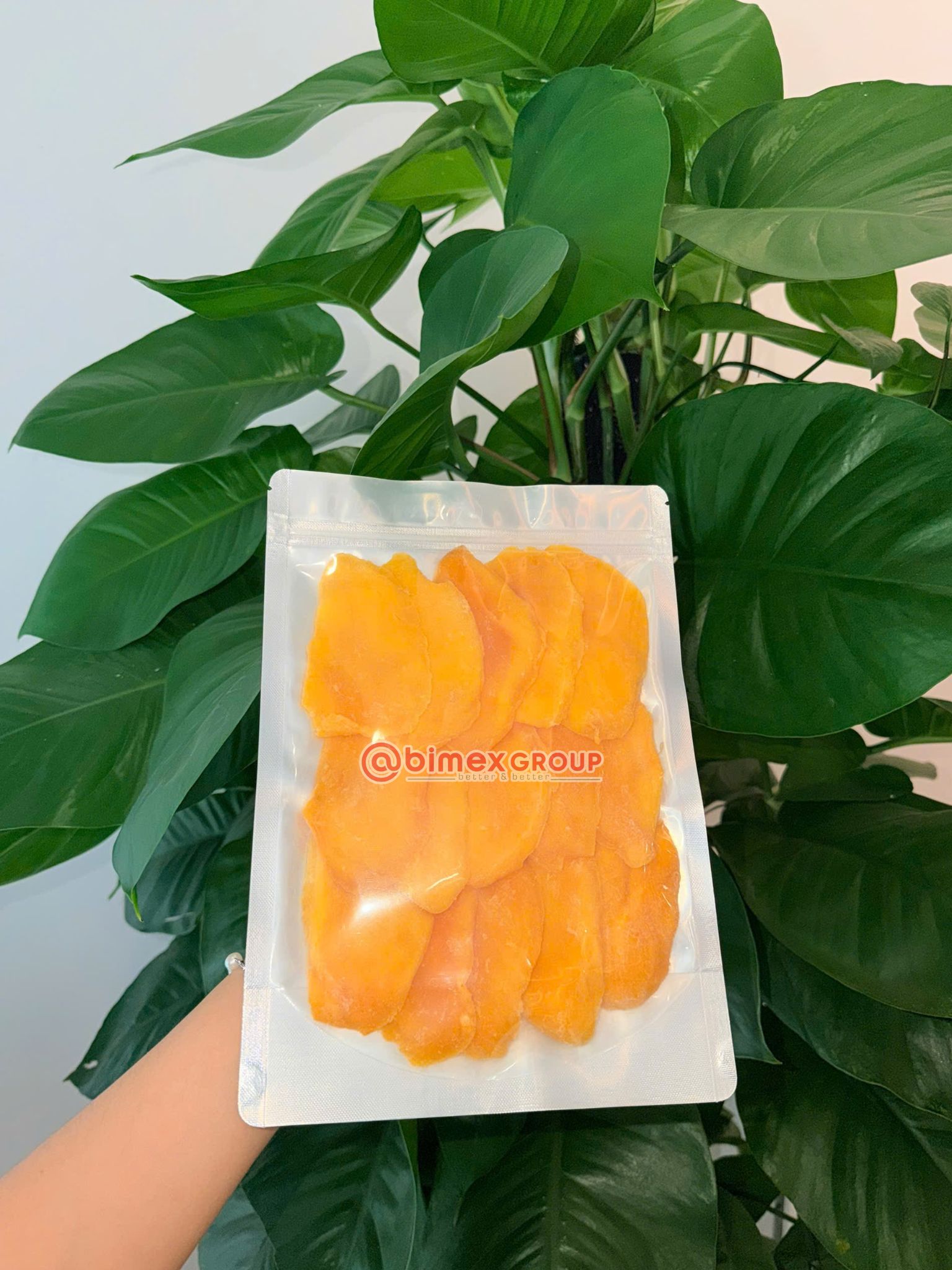
In technical terms, soft dried mango texture is primarily a function of two connected factors: final moisture content and water activity (Aw). Unlike fully dried mango, which is dried down to a low moisture level for maximum shelf stability, soft dried mango is intentionally dried to a higher moisture range, which keeps the fruit pliable and tender rather than firm or brittle.
Moisture content is the most direct driver of soft dried mango texture. If mango is dried too far, it loses the flexible, tender bite that defines the “soft” category and instead becomes chewy or, in more extreme cases, hard and leathery. If it is not dried enough, the product may feel excessively sticky, and shelf stability can suffer. Reliable suppliers work within a tightly controlled moisture range and verify it through consistent laboratory testing on every batch.
Moisture content alone does not fully explain soft dried mango texture, because water activity, which measures how much of that moisture is actually available for microbial growth and physical softness, is equally important. Two batches can show similar moisture percentages yet feel different in texture if their water-activity levels differ. Buyers should ask suppliers for both moisture content and water-activity specifications, not moisture data alone.
The variety and ripeness of mango used also shapes the final texture. Riper mangoes generally contain more natural sugar and softer fruit fibers, which contributes to a more tender finished product. Underripe fruit tends to dry into a firmer, sometimes fibrous texture, regardless of how carefully the drying process is controlled. Consistent raw-material selection is therefore just as important as the drying process itself.
The drying method and equipment used also influence soft dried mango texture. Controlled, gradual drying with accurate temperature and airflow management helps achieve an even, predictable texture throughout each piece. Inconsistent drying, where some pieces are over-dried while others remain under-dried within the same batch, is a common cause of texture complaints, since it produces an uneven eating experience even when the average moisture reading looks acceptable.
Even a perfectly dried batch of soft dried mango can change texture during storage and transportation if packaging does not provide an adequate moisture barrier. Poor packaging can allow the product to lose moisture and harden over time, or absorb ambient humidity and become excessively soft or sticky. Buyers should confirm packaging barrier properties and recommended storage conditions alongside the product’s moisture specification.
To reduce the risk of texture inconsistency, buyers should include clear, measurable requirements in their purchase specification rather than relying on descriptive terms like “soft” alone.
If your buyers are also comparing sugar content, our comparison of natural vs sweetened soft dried mango covers how ingredient choice interacts with texture and shelf life.
Before confirming a bulk order, buyers should request samples from more than one recent production batch and evaluate texture at different points during a simulated storage period, not only immediately after the sample arrives. A soft dried mango that feels correct on day one but hardens or becomes overly sticky within a few weeks points to an underlying moisture, water-activity, or packaging issue that should be resolved before committing to a full container order.
Soft dried mango texture is not an accident. It results from a controlled combination of ripe raw material, carefully managed moisture and water-activity levels, consistent drying, and moisture-appropriate packaging. Buyers who specify these parameters clearly, and request supporting test data rather than relying on a single sample, are far more likely to receive a soft dried mango that stays genuinely soft, not chewy or hard, shipment after shipment.
Abimex Group produces soft dried mango from Vietnam with controlled moisture and water-activity specifications, supported by batch-specific testing and moisture-barrier packaging options. Our team can work with you to define the exact texture specification your market expects.
Contact Abimex Group to request product specifications, quotations, or samples for your soft dried mango sourcing needs.