CASHEW NUT SHELL OIL

CASHEW NUT SHELL OIL
RICE PROTEIN POWDER
RICE PROTEIN POWDER
DESICCATED COCONUT
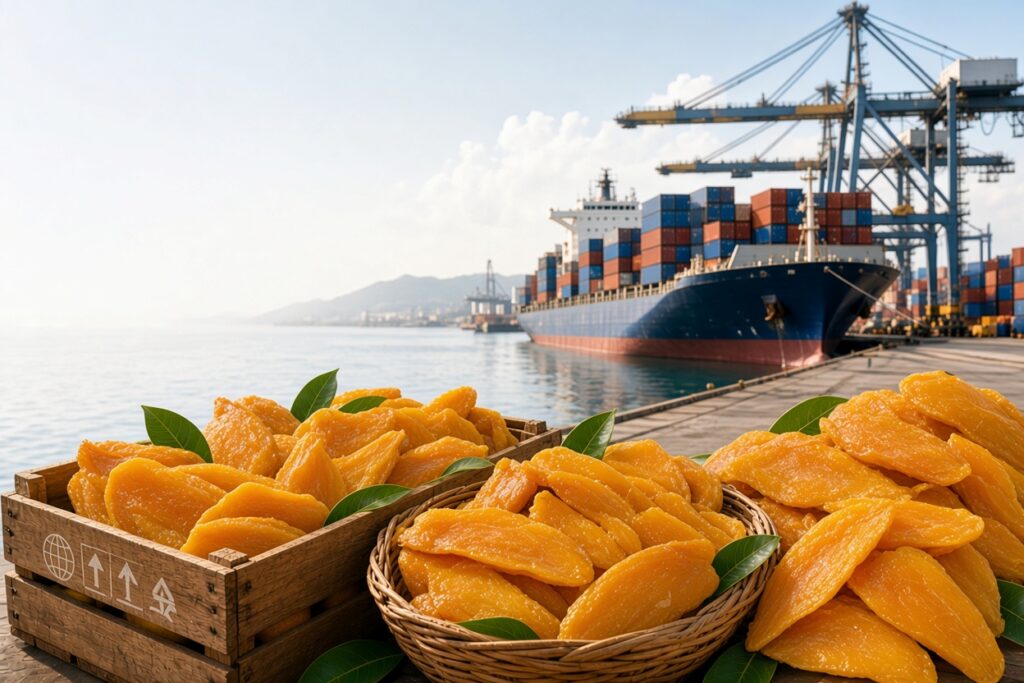
Soft dried mango in the snack industry has become an increasingly versatile product for brands looking to offer fruit-based snacks with a naturally appealing texture, tropical flavor, and convenient format.
Unlike crispy fruit chips, soft dried mango is designed to retain a flexible, chewy texture. This makes it suitable for a wide range of snack applications, from standalone retail packs to trail mixes, snack boxes, gift sets, private-label products, and food-service concepts.
For B2B buyers, however, product success depends on more than taste alone.
Important factors include:
Understanding these factors can help importers, distributors, and snack brands choose the right product format for their market.
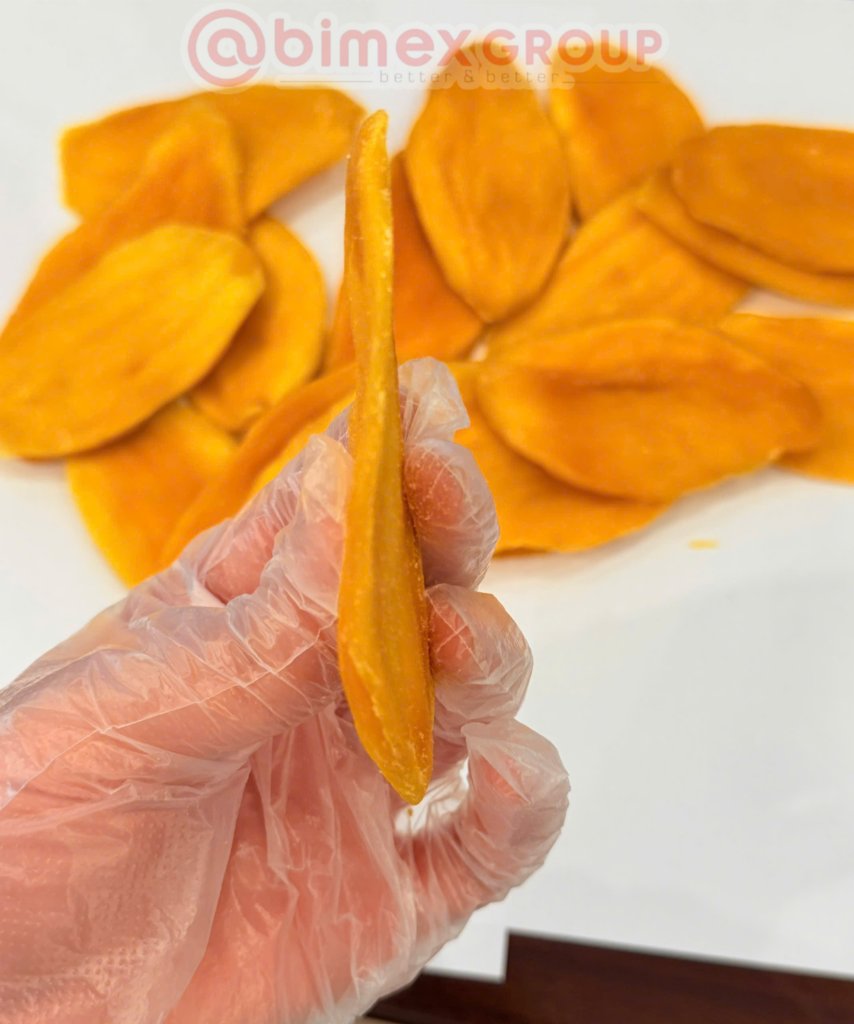
Table of Contents
ToggleSoft dried mango is made from fresh mango that has been cut and dried under controlled conditions to reduce moisture while maintaining a soft, chewy texture.
Depending on the formulation, the product may be:
The exact sensory profile can vary depending on:
This flexibility makes soft dried mango in the snack industry suitable for many different product concepts.
Consumers increasingly look for snacks that are convenient, flavorful, and easy to carry.
Soft dried mango fits this format because it can be eaten directly from the package without preparation.
From a commercial perspective, it offers several useful characteristics:
It can also help snack brands diversify beyond conventional chips, biscuits, and confectionery.
One of the most common uses of soft dried mango is as a standalone snack.
It can be packed in:
In this format, product quality is highly visible.
Consumers evaluate:
For B2B buyers, these characteristics should be agreed clearly before commercial production.
Soft dried mango can also be included in a broader premium fruit snack portfolio.
A brand may combine several products under one range, such as:
This creates a tropical snack assortment with different textures.
Soft dried mango adds the chewy element, while crispy fruit snacks provide contrast.
For premium positioning, buyers often pay more attention to:
Soft dried mango in the snack industry can also be used in trail mixes.
Possible combinations include:
The chewy texture can create contrast with crunchy ingredients.
However, moisture compatibility is important.
Soft dried fruit generally contains more moisture than nuts, seeds, or crispy snacks.
If the packaging system is not properly designed, moisture may migrate between ingredients and change texture over time.
For this reason, trail mix development should include shelf-life and texture testing.
Another common application is a mixed dried fruit pack.
Soft dried mango can be combined with:
This type of product can be positioned as a colorful fruit snack assortment.
However, each fruit may have different:
These differences need to be evaluated carefully before combining products in one package.
Soft dried mango is often used in snack ranges aimed at consumers looking for fruit-based alternatives.
However, brands should be careful with nutrition and health claims.
Statements such as:
should only be used when they are supported by product data and meet local labeling regulations.
A safer positioning may focus on:
This keeps the message accurate and easier to support.
Soft dried mango works well in smaller packs for everyday snacking.
Possible channels include:
Small pack sizes can make the product easy to portion and transport.
However, packaging cost becomes more important as pack size decreases.
Buyers should therefore consider:
Soft dried mango is also suitable for e-commerce.
The product photographs well and is easy to explain online.
It can be sold as:
For e-commerce, packaging should protect the product from:
Secondary packaging becomes especially important because parcels may undergo repeated handling.
Soft dried mango can also be included in:
Its bright color and recognizable fruit origin make it visually appealing in mixed product displays.
For this application, piece appearance and packaging presentation may matter as much as flavor.
Private-label production is another major application.
Retailers and snack brands may request customization in:
Private-label programs allow buyers to sell the product under their own brand.
However, custom printed packaging may require relatively high printing MOQs.
Therefore, buyers should confirm packaging requirements early.
Soft dried mango can also be cut into smaller pieces for use in snack-related food products.
Possible applications include:
In these applications, the cut size may differ from standard retail snack strips.
Smaller pieces can provide more even distribution within the product.
For soft dried mango, texture is central to the eating experience.
Consumers generally expect the product to be:
However, it should not be excessively wet or sticky.
If moisture is too high, the pieces may:
If moisture is too low, the product may become:
The goal is a balanced texture suitable for the target market.
Soft dried mango can vary significantly in sweetness.
The final taste depends on:
Some markets prefer naturally sweet mango with no added sugar.
Others prefer a sweeter conventional snack profile.
For buyers, the ingredient declaration should be reviewed carefully.
Products should not be compared only by taste because similar sweetness can come from different formulations.
Snack brands may choose between:
No-added-sugar products may appeal to buyers looking for simpler ingredient positioning.
However, “no added sugar” does not mean the product contains no sugar.
Mango naturally contains sugars.
Labeling should therefore follow the applicable regulations in the destination market.
Consumers often expect soft dried mango to have a yellow to golden-orange color.
Natural variation is normal.
Color can be influenced by:
Very dark, uneven, or heavily discolored pieces may affect consumer perception.
For premium products, buyers may request more consistent color and piece appearance.
Different cuts create different eating experiences.
Examples include:
Large cuts may create a more premium visual impression.
Smaller pieces may be better for:
The right format depends on the application.
One common issue in soft dried mango is stickiness.
Because dried mango retains moisture and contains natural sugars, pieces may stick together.
The degree of stickiness can depend on:
Excessive stickiness can make the product difficult to portion and may reduce consumer convenience.
Buyers should therefore evaluate representative samples under realistic storage conditions.
Good packaging helps maintain texture and product quality.
Packaging should help protect soft dried mango from:
Different markets may use:
The packaging structure should be selected according to the product and supply chain.
Storage can influence:
Soft dried mango should be stored according to the manufacturer’s recommendations.
High temperature or humidity may affect product quality.
For export shipments, buyers should consider:
When sourcing soft dried mango in the snack industry, buyers should review:
A clear specification can reduce quality disputes later.
A specification sheet cannot fully communicate sensory characteristics.
Buyers should request samples and evaluate:
For mixed snack concepts, the sample should also be tested with the other ingredients.
One excellent sample is not enough.
Commercial buyers need consistency across multiple batches.
Natural fruit products can vary due to:
A reliable supplier should manage these variations within agreed specifications.
Consistency is especially important for private-label brands because consumers expect similar product quality every time they purchase.
Soft dried mango in the snack industry can be used in many formats, including:
Its tropical flavor, attractive color, chewy texture, and flexible packaging options make it a versatile snack ingredient and finished product.
However, successful sourcing requires careful attention to:
For B2B buyers, the best approach is to define the target product clearly, review representative samples, and agree on specifications before commercial production.
Abimex Group supplies Vietnamese soft dried mango for international importers, distributors, retailers, snack brands, and private-label projects.
Different product options can be discussed according to buyer requirements, including cut style, formulation, packaging, and private-label needs.
Buyers can request product specifications, samples, available documentation, and quotations.