CASHEW NUT SHELL OIL

CASHEW NUT SHELL OIL
RICE PROTEIN POWDER
RICE PROTEIN POWDER
DESICCATED COCONUT
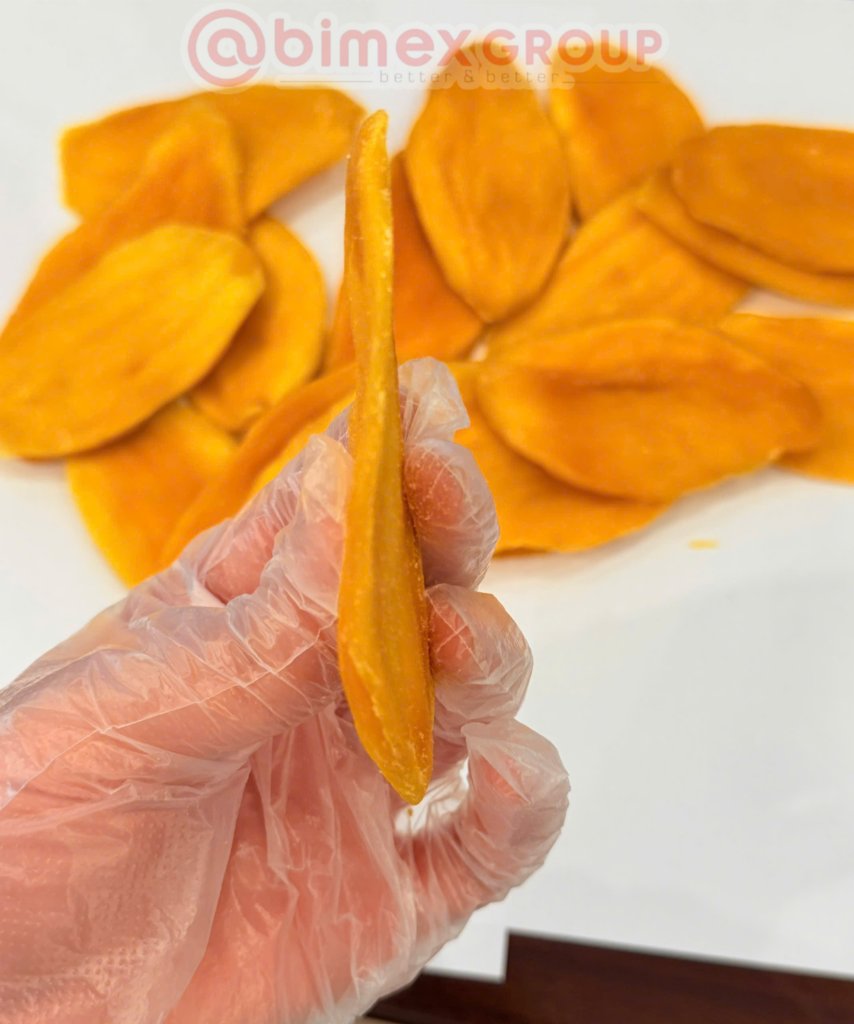
Soft dried mango has become one of the most popular tropical dried fruits in kitchens around the world. Unlike traditional hard, leathery dried mango chips, soft dried mango retains a tender, chewy texture that closely resembles the juicy flesh of fresh ripe mango. This unique quality makes it incredibly versatile for snacking, cooking, and baking. Whether you enjoy it straight from the bag or incorporate it into recipes, soft dried mango brings bright tropical sweetness and a pleasant chew to almost any dish.
In this comprehensive guide, we explore everything you need to know about soft dried mango — from how it is made to the best ways to use it every day. By the end, you will have practical ideas and tips to make this delicious fruit a regular part of your pantry.

Table of Contents
ToggleSoft dried mango is made from carefully selected ripe mangoes that are sliced and gently dried at controlled temperatures. The drying process removes most of the moisture while preserving the natural sugars, vibrant orange-yellow color, and rich mango flavor. The result is a soft, pliable product that is easy to bite into and cut, rather than the hard, brittle texture found in some other dried fruits.
High-quality soft dried mango is typically free from artificial colors and contains minimal added sugar, allowing the true taste of the fruit to shine. The texture sits somewhere between fresh mango and traditional dried fruit, making it appealing to both children and adults. Because it stays soft, it works especially well in recipes where a hard dried fruit might feel out of place.
There are several reasons soft dried mango stands out:
These qualities make soft dried mango a practical and flavorful ingredient for busy households, meal preppers, and anyone who loves tropical fruit.
One of the greatest advantages of soft dried mango is how easily it fits into daily eating habits. Here are some of the most popular and practical ways to use it.
Soft dried mango is a star ingredient in homemade trail mixes. Its chewy texture contrasts perfectly with crunchy nuts and seeds. A simple base formula works well: combine two parts mixed nuts (almonds, cashews, or pecans), one part soft dried mango, and one part additional mix-ins such as pumpkin seeds, coconut flakes, or a few dark chocolate pieces.
For a tropical version, mix soft dried mango with roasted cashews, toasted coconut, and a handful of banana chips. For a slightly savory twist, add a light sprinkle of chili powder or smoked paprika. Prepare a larger batch on the weekend, store it in airtight jars, and portion it into small bags for work, school, or outdoor activities. The soft mango keeps the mix interesting and prevents it from becoming monotonous.
Yogurt and soft dried mango form a natural combination. The cool creaminess of yogurt balances the fruit’s sweetness and chew. Simply chop a few pieces of soft dried mango and sprinkle them over plain or lightly sweetened yogurt. Add granola, toasted oats, or a few nuts for extra texture.
For make-ahead breakfasts, create layered parfaits in jars: alternate yogurt, chopped soft dried mango, and crunchy toppings. The mango softens slightly overnight while still retaining some chew, creating a satisfying contrast. You can also warm a few pieces briefly in the microwave with a teaspoon of water and stir them into yogurt for a dessert-like treat that still feels light and fresh.
Soft dried mango performs beautifully in baked goods. Because the pieces are already soft and moist, they integrate easily into batters and doughs without making the final product tough.
When using soft dried mango in baking, remember that it already contains some moisture. If a batter looks particularly wet, you can reduce other liquids slightly or add a small amount of extra flour or oats.
Beyond the classics, soft dried mango works well in many other dishes. Chop it and stir it into overnight oats or porridge. Add it to grain salads with quinoa, couscous, or farro for a sweet contrast. Include it on a cheese board alongside mild cheeses and nuts. You can even use it in savory applications, such as a mango salsa-style topping for grilled chicken or fish when combined with fresh herbs, lime, and a touch of chili.
Proper storage is essential to keep soft dried mango at its best. Keep the fruit in a cool, dry place in its original resealable bag or transfer it to an airtight container. Away from direct sunlight and humidity, it will maintain its soft texture and bright flavor for several months. For longer storage, refrigeration is a good option. Always use clean, dry utensils when handling the fruit to avoid introducing moisture.
If the pieces ever feel a little firm, simply leave them at room temperature for a few minutes or warm them gently. Kitchen scissors are the easiest tool for cutting soft dried mango into the exact size you need for any recipe.
Soft dried mango is more than just a snack — it is a flexible ingredient that can elevate everyday meals and treats. From morning yogurt bowls to afternoon trail mixes and weekend baking projects, it offers convenience without sacrificing flavor. Its soft texture, natural sweetness, and tropical character make it a favorite among people who want something both delicious and easy to use.
Start with the simple ideas shared above. Try adding chopped soft dried mango to your next batch of muffins or create a custom trail mix for the week. Once you experience how seamlessly it fits into daily cooking and snacking, you will likely find yourself reaching for it more and more often. With a bag of high-quality soft dried mango in your kitchen, tropical flavor is always just a few moments away.