CASHEW NUT SHELL OIL

Dried fruit aisles are full of products marketed as “natural” and “healthy,” but the details on the label can tell a very different story.
Natural-sugar dried mango stands out from many competing snacks because its sweetness comes from the fruit itself rather than from syrups or added sweeteners, but that does not mean it should be eaten without any thought to portion size.
Understanding what natural-sugar dried mango actually offers, and how to enjoy it in balance, helps both everyday snackers and buyers sourcing product for retail make better decisions.
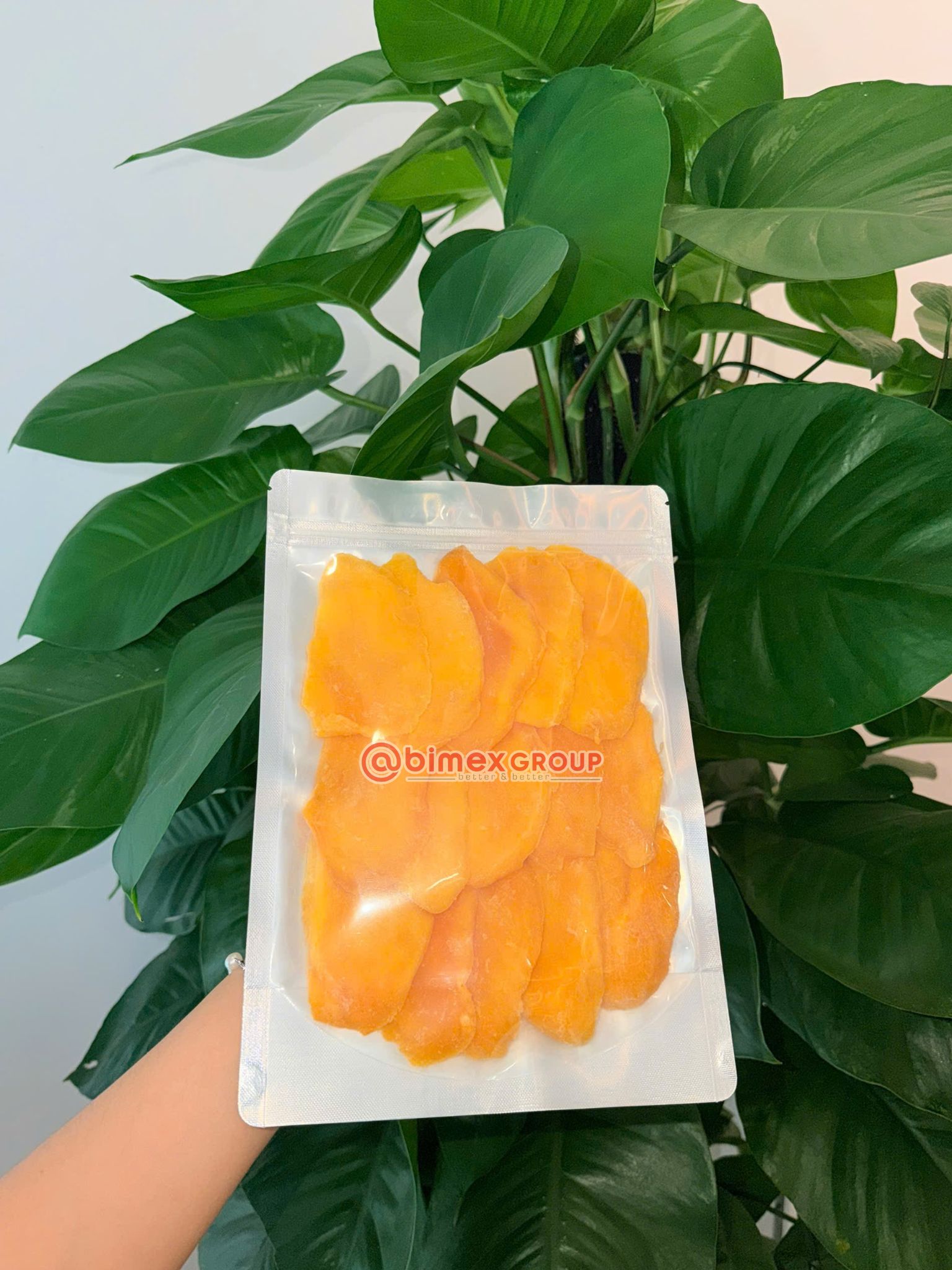
When mango is dried, water is removed but the fruit’s natural sugars remain concentrated in a smaller volume.
This is different from products with added sugar, where syrup, dextrose, or other sweeteners are introduced during processing on top of the fruit’s own sugar content.
Reading the ingredient label is the only reliable way to tell the two apart, since both types can look and taste similar on the shelf. For a closer breakdown of this difference, see our article on natural sugars vs added sugar in dried mango.
Consumers moving away from highly processed snacks are drawn to dried fruit that lists a single ingredient: mango.
Natural-sugar dried mango also retains dietary fiber and a concentrated source of vitamins found in fresh mango, making it a more nutrient-dense option compared to candy or syrup-coated dried fruit alternatives.
Even without any added sweeteners, dried mango is more calorie- and sugar-dense than fresh mango simply because the water has been removed and the natural sugars are concentrated.
A small handful of dried mango can contain a similar amount of natural sugar to a much larger portion of fresh fruit. This is why portion awareness matters, even for a natural, minimally processed snack.
Public health resources such as the Harvard T.H. Chan School of Public Health note that total sugar intake, including natural sugars from concentrated sources like dried fruit, is worth tracking as part of an overall balanced diet.
The ingredient list should ideally read “mango” alone, or “mango, sulfur dioxide” if a preservative is used for color retention. Any mention of sugar, glucose syrup, or dextrose indicates added sugar rather than a purely natural-sugar product.
Natural, unsulfured dried mango tends to be a deeper amber or brown color rather than bright orange, since sulfur dioxide is often used to preserve the brighter color seen in some commercial products.
Dried mango is available in whole slices, strips, or smaller broken pieces. The cut does not change the sugar content, but it does affect portion control, since strips and smaller pieces make it easier to visually gauge a reasonable serving.
People managing diabetes, those watching total sugar intake for other health reasons, and parents feeding young children should be particularly attentive to portion sizes with any dried fruit, including natural-sugar dried mango.
In these cases, pairing dried mango with protein and treating it as an occasional snack rather than an everyday staple is a reasonable approach, and checking with a healthcare provider is recommended for specific dietary conditions.
Beyond snacking straight from the bag, natural-sugar dried mango works well as a functional ingredient in everyday meals.
Chopped pieces stirred into oatmeal or overnight oats add natural sweetness without needing extra sugar or honey.
A small amount mixed into a homemade trail mix with unsalted nuts and seeds creates a more balanced snack, since the fat and protein from the nuts help offset the natural sugar from the fruit.
Dried mango can also be added to savory dishes, such as rice salads or grain bowls, where its sweetness contrasts nicely with acidic or spiced flavors.
For baking, finely chopped dried mango can replace a portion of the sugar called for in muffins or granola bars, giving a fruit-forward sweetness along with added fiber.
Is natural-sugar dried mango healthier than candy?
It generally offers more fiber, vitamins, and fewer additives than candy, but it should still be eaten in moderation due to its concentrated natural sugar content.
How can I tell if dried mango has added sugar?
Check the ingredient list. If sugar, syrup, or sweeteners appear alongside mango, the product contains added sugar rather than relying solely on the fruit’s natural sweetness.
How much dried mango is a reasonable daily portion?
A small handful, roughly a single serving as listed on the package, is generally considered a reasonable amount as part of a balanced diet.
Natural-sugar dried mango offers a genuinely fruit-based, minimally processed snack option, but “natural” does not mean unlimited. Reading labels, watching portion sizes, and pairing it thoughtfully with other foods allows both everyday consumers and retail buyers to enjoy its benefits while keeping sugar intake in balance.