CASHEW NUT SHELL OIL

CASHEW NUT SHELL OIL
RICE PROTEIN POWDER
RICE PROTEIN POWDER
DESICCATED COCONUT
Table of Contents
ToggleAs consumer expectations for premium fruit spreads continue to rise, jam manufacturers face increasing pressure to deliver products with excellent texture, stability, appearance, and shelf life. Achieving these quality standards requires functional ingredients that perform consistently throughout processing and storage.
Among the available starch solutions, modified tapioca starch has become one of the most preferred ingredients in modern jam manufacturing. Leading global starch suppliers have long recognized its exceptional functionality in fruit preparations, preserves, fillings, and jam applications.
Derived from natural tapioca starch and modified to enhance performance, this versatile ingredient helps manufacturers create high-quality products while improving production efficiency and maintaining cost competitiveness.
Here are seven proven ways modified tapioca starch enhances texture and stability in jam processing.
Texture is one of the most important attributes influencing consumer preference for jam products. Consumers expect a smooth, spreadable consistency that feels rich and natural.
Modified tapioca starch provides a smooth, glossy texture and pleasant mouthfeel without creating excessive gel firmness or graininess. Its unique functional properties help manufacturers achieve premium product quality while maintaining consistency across production batches.
Jam production typically involves prolonged heating and concentration processes. Many traditional thickeners can lose functionality under these conditions.
Modified tapioca starch is specifically designed to withstand thermal processing while maintaining viscosity and structural integrity. This makes it an ideal ingredient for industrial-scale jam manufacturing.
Water separation, also known as syneresis, can significantly reduce product quality and consumer acceptance.
Modified tapioca starch exhibits excellent water-binding capacity, helping maintain a stable product structure throughout storage and distribution. This minimizes liquid separation and preserves the desired appearance of the finished jam.
Many fruit preparations and industrial jam products experience refrigerated or frozen storage conditions before reaching consumers.
Modified tapioca starch offers superior freeze-thaw stability compared with many conventional starches. It helps maintain texture and consistency even after repeated freezing and thawing cycles.
Premium fruit jams often contain visible fruit pieces that contribute to product value and consumer perception.
Modified tapioca starch helps evenly suspend fruit particles throughout the product matrix, preventing settling during storage and transportation. This ensures a uniform appearance and consistent quality in every jar.
Fruit-based products naturally contain organic acids that can affect the performance of many thickening systems.
Modified tapioca starch performs exceptionally well in acidic environments commonly found in strawberry, blueberry, raspberry, apricot, and mixed-fruit jams. It maintains viscosity and texture stability throughout the product’s shelf life.
Today’s food manufacturers must continuously balance product quality with production costs.
Modified tapioca starch offers excellent thickening efficiency, allowing manufacturers to achieve desired product characteristics while optimizing ingredient usage. Its versatility can help improve production economics without sacrificing quality.
Modified tapioca starch combines excellent functionality, neutral flavor, high clarity, and outstanding processing stability. These characteristics make it particularly suitable for fruit-based applications where texture, appearance, and shelf-life performance are critical.
Compared with many alternative starches, modified tapioca starch delivers superior freeze-thaw stability, excellent acid tolerance, and a smooth, clean mouthfeel that consumers prefer. It also supports the growing demand for plant-based and naturally sourced ingredients in modern food production.
For jam manufacturers seeking consistent quality, improved stability, and optimized production costs, modified tapioca starch remains one of the most effective ingredient solutions available today.
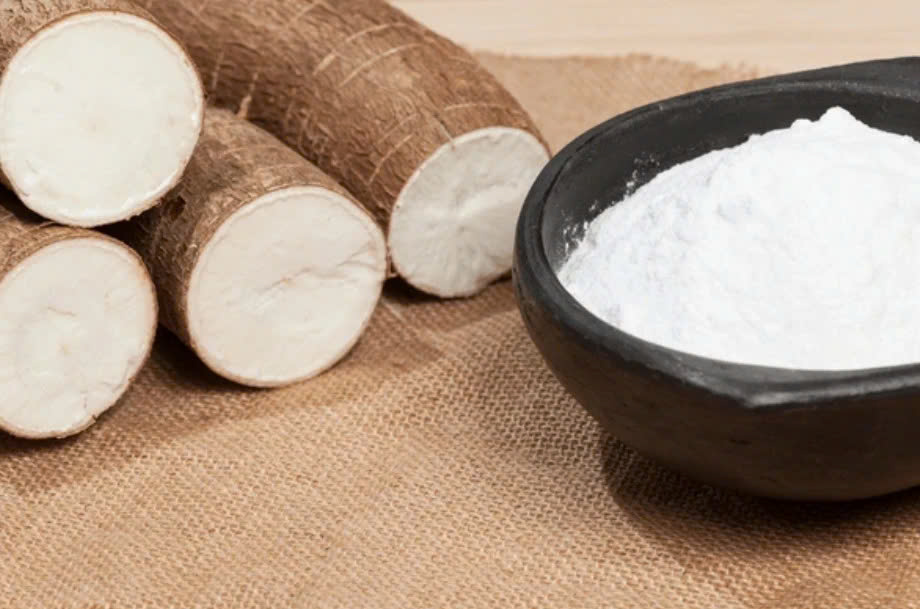
Selecting the right modified tapioca starch supplier is essential for achieving optimal performance in jam applications. An experienced manufacturer can provide customized starch solutions tailored to specific fruit formulations, processing conditions, and product requirements.
Whether your objective is enhanced texture, improved shelf-life stability, superior fruit suspension, freeze-thaw resistance, or formulation cost optimization, high-quality modified tapioca starch can help elevate your jam products and strengthen your competitive advantage in the marketplace.
As consumer demand for premium fruit preserves continues to grow, manufacturers need ingredients that consistently deliver superior quality and processing performance. Modified tapioca starch offers a proven solution by enhancing texture, improving stability, preventing syneresis, supporting fruit suspension, and optimizing production efficiency.
By incorporating the right modified tapioca starch into your formulations, jam manufacturers can create products that meet both consumer expectations and commercial objectives.