CASHEW NUT SHELL OIL

CASHEW NUT SHELL OIL
RICE PROTEIN POWDER
RICE PROTEIN POWDER
DESICCATED COCONUT
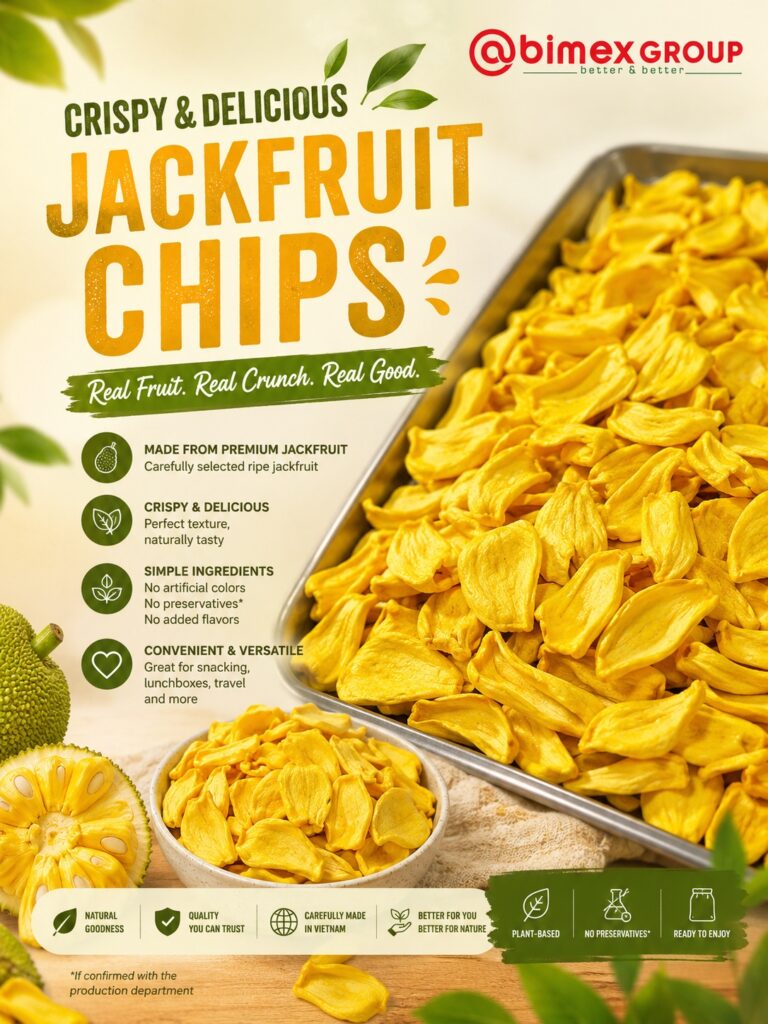
Finding practical snacks for children can be challenging. Parents often look for options that are easy to pack, convenient to store, and enjoyable enough for kids to actually eat. Jackfruit chips are gaining attention as a convenient fruit-based snack that can fit into lunchboxes, school bags, and family snack routines.
Made from ripe jackfruit and processed to reduce moisture, jackfruit chips offer a distinctive tropical flavor and a crisp texture. However, calling any snack automatically “healthy” simply because it is fruit-based can be misleading. The nutritional profile depends on the ingredients, processing method, portion size, and whether sugar, oil, or other ingredients are added.
For parents, the best approach is to look at the label, consider the child’s age and eating ability, and treat jackfruit chips as one part of a varied diet.
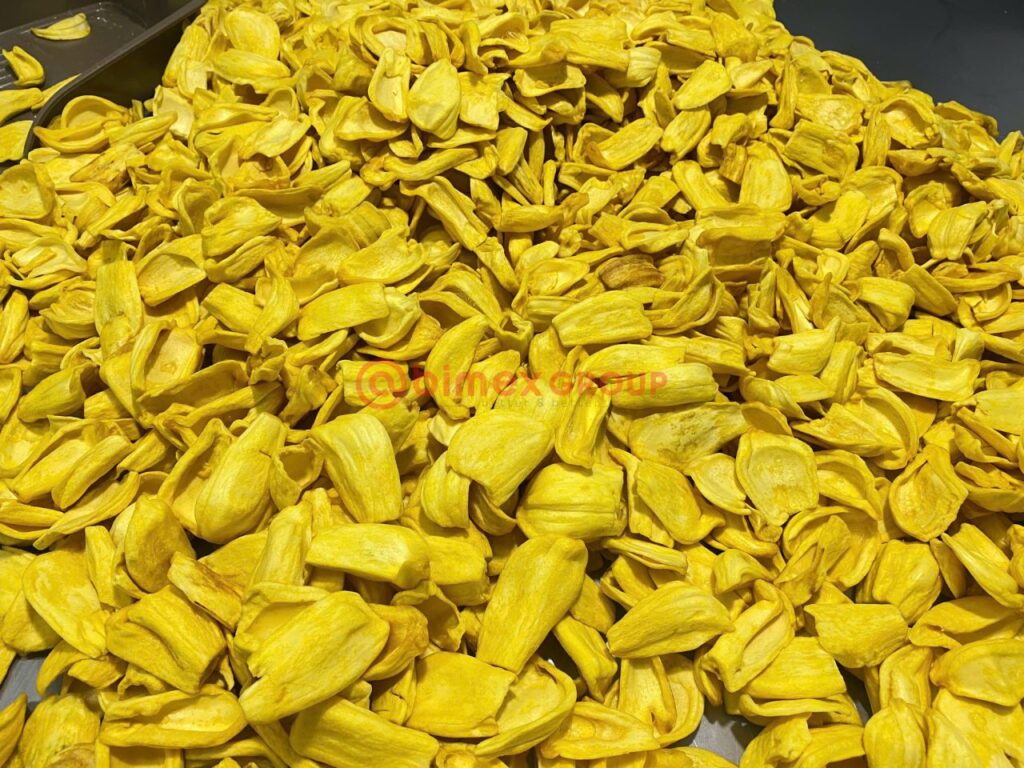
Table of Contents
ToggleOne of the biggest advantages of jackfruit chips is convenience. Unlike fresh jackfruit, which can be messy and requires preparation, packaged jackfruit chips are ready to eat.
Their compact format makes them suitable for:
This convenience can make it easier for parents to include fruit-based foods in busy daily routines.
Children can sometimes become bored with the same apples, bananas, oranges, or grapes. Jackfruit chips provide a different way to experience fruit through a crunchy snack.
The tropical aroma and naturally sweet flavor of jackfruit can also make the product appealing to children who enjoy fruit-flavored snacks.
However, dried fruit is not nutritionally identical to fresh fruit. Removing water concentrates the food, so a relatively small amount can contain more calories and naturally occurring sugars than the same weight of fresh fruit.
That is why portion size matters.
There is no simple yes-or-no answer.
Jackfruit chips can be a convenient fruit-based snack, but they should not automatically be marketed as a superior or complete nutritional choice for children.
Parents should check the product’s ingredient list and Nutrition Facts label. Key points include:
The difference between products can be significant. A jackfruit snack made with minimal ingredients may have a very different nutritional profile from a sweetened or heavily processed snack.
For young children, current CDC guidance emphasizes balanced eating and notes that infants and young children should avoid added sugars.
Therefore, rather than calling jackfruit chips simply “healthy,” a more accurate description is a convenient fruit-based snack that can be enjoyed as part of a balanced diet.
For school-age children who can safely chew crunchy foods, jackfruit chips can be easy to portion into a lunchbox.
Parents can combine a small serving with other foods to create a more balanced snack, such as:
Jackfruit chips + yogurt + fresh fruit
or
Jackfruit chips + cheese + fresh vegetables
or
Jackfruit chips + a regular lunch containing protein, grains, and vegetables
This approach keeps jackfruit chips as one component rather than making them the entire snack or meal.
For younger children, parents should pay particular attention to texture and preparation.
This is especially important when discussing jackfruit chips for children.
Dried fruit can present a choking risk for young children. The CDC specifically lists uncooked dried fruits such as raisins among potential choking hazards.
The risk depends on the child’s age, development, chewing ability, and the food’s size, shape, and texture.
Parents should:
CDC guidance recommends preparing food according to a child’s developmental stage and avoiding foods that are small, sticky, or hard to chew and swallow.
For infants and toddlers, parents should not assume that a product is safe simply because it is marketed as a children’s snack. Always consider the child’s individual eating skills and follow appropriate pediatric feeding guidance.
When selecting jackfruit chips for children, start with the ingredient list.
A short and understandable ingredient list can make it easier to know what the child is eating.
Jackfruit naturally contains sugars. Drying reduces the water content and concentrates the fruit’s components. If additional sugar is added, the overall sugar content can be higher.
Parents who want a less sweet option can compare products and choose one with no added sugar, provided the product label confirms this claim.
Jackfruit chips can be produced using different drying or frying technologies. Processing can influence texture, flavor, oil content, and nutritional characteristics.
Therefore, “jackfruit chips” does not describe one standardized nutritional profile.
A small portion can be very different from eating an entire large package.
For children, portioning the snack before putting it into the lunchbox can help prevent mindless overeating.
Jackfruit chips can also introduce children to flavors from Southeast Asia and other tropical regions.
Instead of presenting them as a replacement for fresh fruit, parents can use them as an occasional alternative that adds variety to the child’s snack routine.
For example, a lunchbox might include fresh fruit alongside a small portion of jackfruit chips. This provides different textures and eating experiences while keeping the overall meal varied.
The CDC notes that exposing children to different tastes and textures can help them become familiar with a wider variety of foods.
Jackfruit chips can be a convenient and enjoyable lunchbox snack, but they are not automatically a “healthy” food simply because they are made from fruit.
Parents should consider the complete product: ingredients, added sugar, processing method, serving size, and the child’s age and chewing ability.
For older children who can safely handle the texture, a properly portioned serving can be an easy addition to a lunchbox. For younger children, extra caution is necessary because dried fruit and crunchy snack textures can present choking risks.
For food manufacturers and exporters, transparent labeling and age-appropriate communication are equally important. Rather than making exaggerated nutritional claims, presenting clear ingredients, accurate nutrition information, and responsible serving guidance can help parents make informed choices.
Looking for a convenient tropical fruit snack for modern consumers? Jackfruit chips offer an appealing combination of distinctive flavor, portability, and shelf-stable convenience—when produced and labeled responsibly.