CASHEW NUT SHELL OIL

CASHEW NUT SHELL OIL
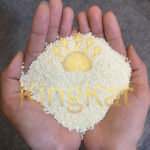
RICE PROTEIN POWDER
RICE PROTEIN POWDER
DESICCATED COCONUT
Fresh Coconut Water has evolved from a traditional tropical refreshment into a globally traded beverage product. For businesses operating in sourcing, distribution, or food service, understanding the commercial realities behind fresh coconut water is essential for maintaining quality, minimizing loss, and meeting market expectations.
This guide provides a practical, commercially accurate overview of how fresh coconut water should be selected, handled, and positioned in today’s beverage market.

Table of Contents
ToggleFresh coconut water refers to the natural liquid extracted from young coconuts. In commercial settings, the term may apply to two different formats:
It is important not to confuse fresh coconut water with shelf-stable packaged coconut beverages that undergo pasteurization or UHT treatment.
For trade and distribution purposes, product definition directly affects:
Young coconuts intended for drinking are typically harvested between 6 and 8 months of maturity. However, sweetness level (measured by Brix) depends on:
Therefore, maturity alone does not guarantee taste consistency. For commercial buyers, supplier consistency is more important than harvest age alone.
When sourcing whole young coconuts for fresh coconut water distribution, buyers should assess:
Heavier young coconuts often indicate higher liquid content, though this varies by variety. Commercial buyers should request average yield data per container or per batch.
Damage during harvesting and transportation significantly reduces usable yield.
Suppliers should demonstrate:
Poor handling can shorten shelf life before export.
Unlike shelf-stable beverages, fresh coconut water requires temperature control.
From a business perspective, maintaining an unbroken cold chain is critical to avoid spoilage losses.
In commercial operations, fresh coconut water should be discarded if:
These signs indicate natural fermentation caused by microbial growth.
Routine batch testing and first-in-first-out (FIFO) inventory management are recommended for retailers and distributors.
Fresh coconut water occupies a premium segment compared to mass-produced coconut beverages. Its commercial value lies in:
However, higher logistical costs and shorter shelf life must be factored into pricing strategy.
Entrepreneurs planning to distribute or retail fresh coconut water should evaluate:
Margins can be attractive in hospitality, gyms, juice bars, and premium grocery chains, but operational discipline is required.
Fresh coconut water presents strong market appeal, but it is not a low-maintenance product. Its value depends heavily on sourcing reliability, temperature control, and realistic shelf-life planning.
Businesses that treat fresh coconut water as a perishable fresh-produce category — rather than a standard beverage SKU — are more likely to achieve consistent quality and sustainable profitability.
Partner with Abimex Group to access high-quality Vietnamese fresh coconuts, carefully sourced and ready for global distribution.