CASHEW NUT SHELL OIL

CASHEW NUT SHELL OIL
RICE PROTEIN POWDER
RICE PROTEIN POWDER
DESICCATED COCONUT
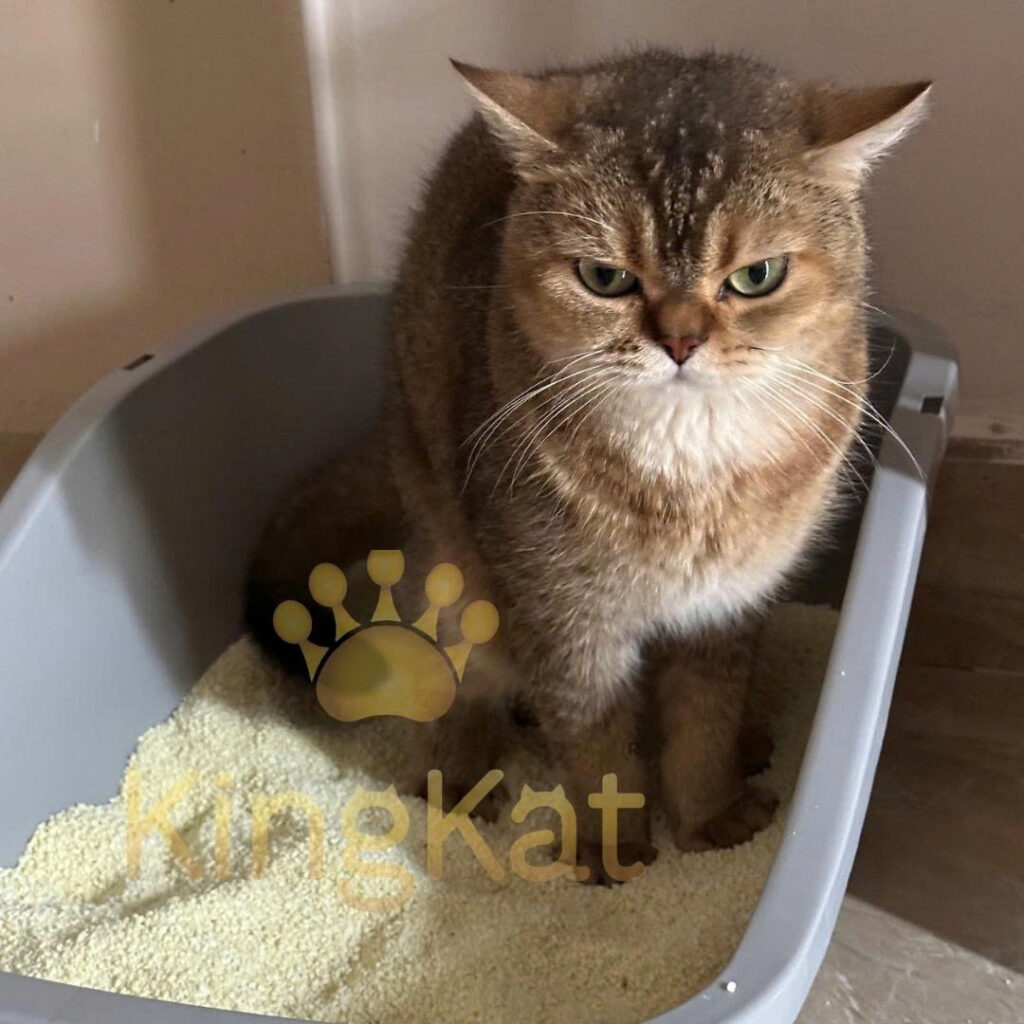
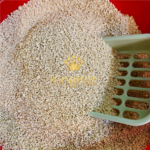
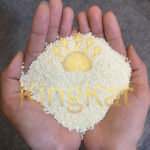
Plant-based cat litter has become increasingly popular among cat owners looking for alternatives to traditional mineral or clay litter. Made from renewable materials such as cassava, corn, wheat, wood, or other plant fibers, these products can offer useful advantages such as biodegradability, renewable sourcing, and lower environmental impact.
However, one common misunderstanding is that biodegradable or plant-based cat litter is automatically safe to flush down the toilet.
The answer is simple: No. Plant-based cat litter should not be flushed down the toilet, even when it is biodegradable or marketed as flushable.
The reason goes beyond plumbing. Used cat litter can contain cat feces, and cat feces may carry Toxoplasma gondii, a parasite associated with toxoplasmosis. The CDC notes that Toxoplasma can be shed in the feces of infected cats and that the parasite can persist in the environment for months.
For responsible cat owners, choosing an environmentally conscious litter is only part of the equation. Proper disposal is equally important.
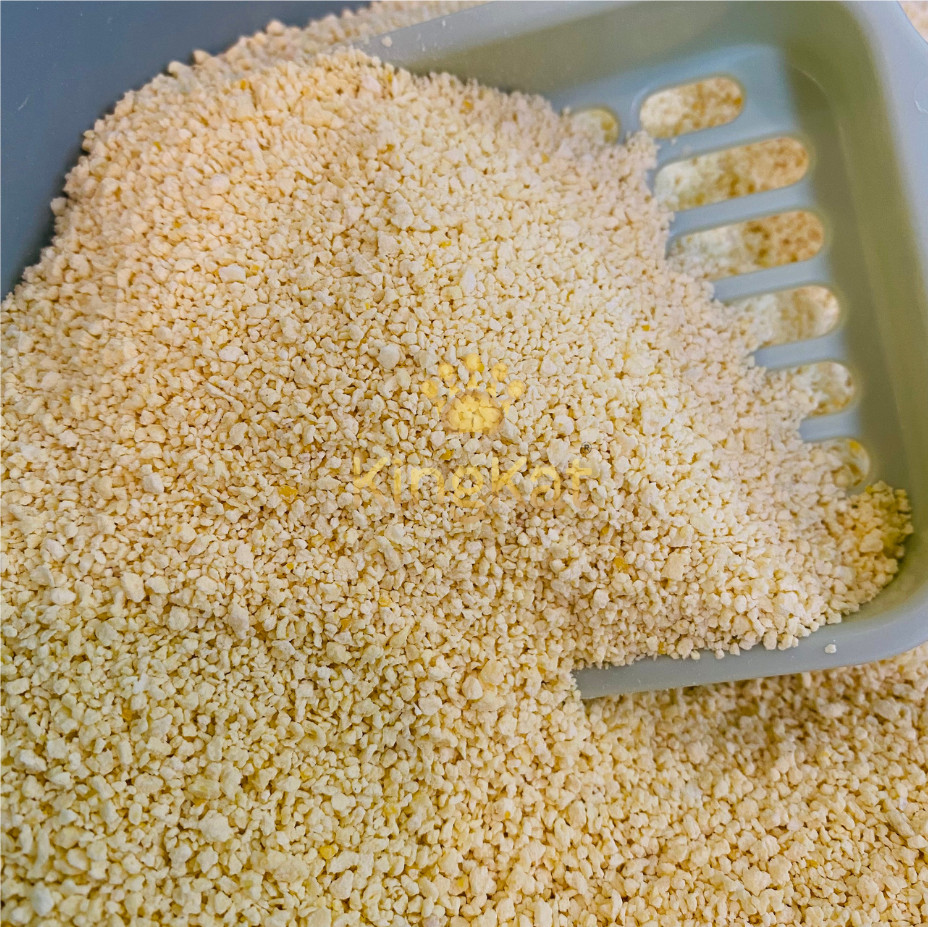
Table of Contents
TogglePlant-based cat litter has become increasingly popular among cat owners looking for alternatives to traditional mineral or clay litter. Made from renewable materials such as cassava, corn, wheat, wood, or other plant fibers, these products can offer useful advantages such as biodegradability, renewable sourcing, and lower environmental impact.
However, one common misunderstanding is that biodegradable or plant-based cat litter is automatically safe to flush down the toilet.
The answer is simple: No. Plant-based cat litter should not be flushed down the toilet, even when it is biodegradable or marketed as flushable.
The reason goes beyond plumbing. Used cat litter can contain cat feces, and cat feces may carry Toxoplasma gondii, a parasite associated with toxoplasmosis. The CDC notes that Toxoplasma can be shed in the feces of infected cats and that the parasite can persist in the environment for months.
For responsible cat owners, choosing an environmentally conscious litter is only part of the equation. Proper disposal is equally important.
The terms “biodegradable,” “natural,” and “plant-based” describe the material or its ability to break down under suitable environmental conditions. They do not mean that the product is suitable for a household toilet or municipal sewer system.
Plant-based litter can absorb moisture and form dense clumps. When large amounts enter plumbing, the material may settle, expand, or accumulate inside pipes. Local sanitary districts specifically advise against flushing cat litter because litter can contribute to blocked pipes and sewage backups.
Even if a small amount appears to disappear after flushing, repeated disposal can create problems further along the plumbing system.
A toilet is designed primarily to transport human waste and toilet paper through a wastewater system. Cat litter has a different physical structure.
Plant-based litter is designed to absorb liquid, which is useful inside the litter box but potentially problematic inside pipes. Clumping products can stick together when wet, while loose plant fibers or granules can accumulate in bends, drains, septic systems, or sewer lines.
A blockage may not happen after the first flush. Instead, repeated flushing can gradually contribute to accumulation and eventually cause slow drainage, backups, or expensive plumbing repairs.
For this reason, “flushable” should not be interpreted as a universal guarantee that cat litter is safe for every toilet, sewer, septic system, or wastewater network.
One of the most important reasons to avoid flushing cat litter is not the litter material itself, but the cat feces it may contain.
Toxoplasma gondii is a microscopic parasite that can infect humans and animals. According to the CDC, infected cats can shed the parasite in their feces. The parasite becomes infectious after being passed and can survive in the environment for extended periods.
Humans can become infected through exposure to contaminated soil, water, food, or cat feces. While many people with toxoplasmosis have no symptoms or experience only mild illness, infection can be particularly serious during pregnancy or for people with weakened immune systems.
This is why responsible disposal of used cat litter matters.
Plant-based does not mean pathogen-free.
A cassava-based, corn-based, tofu-based, wood-based, or other biodegradable litter may be environmentally preferable as a material, but once it has been used by a cat, it should still be treated as potentially contaminated waste.
This is another area where consumers should be careful.
Although some plant-based cat litter is biodegradable, used cat litter containing feces should not automatically be added to a home compost pile. The potential presence of Toxoplasma gondii is an important reason to avoid treating cat waste like ordinary garden or food waste. The CDC recommends daily litter-box cleaning as one way to reduce the time available for Toxoplasma to become infectious.
Biodegradability describes what can happen to the material under appropriate conditions. It does not eliminate biological hazards associated with animal feces.
For most households, the practical approach is straightforward:
1. Scoop the litter box regularly.
Removing feces frequently helps maintain hygiene and reduces the time Toxoplasma has to become infectious.
2. Place used litter and cat waste into a suitable waste bag.
Seal the bag securely to reduce odor and prevent accidental contact.
3. Put the sealed bag into the appropriate household waste stream.
Follow your local waste-management rules, because disposal requirements can vary between locations.
4. Never flush used cat litter down the toilet.
This applies even when the litter is plant-based, biodegradable, compostable, or advertised as flushable.
5. Wash your hands after handling used litter.
Good hygiene is an important part of responsible litter-box maintenance.
Avoiding toilet flushing does not make plant-based cat litter less sustainable.
In fact, the environmental benefits of plant-based cat litter should be evaluated across the entire product lifecycle, including raw materials, manufacturing, packaging, transportation, usage, and disposal.
Materials such as cassava and other renewable plant resources can provide alternatives to mineral-based litter. Depending on the formulation and manufacturing process, plant-based litter can offer characteristics such as biodegradability, renewable sourcing, low dust, and effective clumping.
But sustainability also means using the product correctly.
A simple rule for consumers is:
Choose plant-based litter for its material benefits—but dispose of used litter responsibly rather than flushing it.
The growing popularity of cassava cat litter, tofu litter, corn litter, and other plant-based cat litter reflects changing consumer expectations. Cat owners increasingly want products that combine performance, convenience, and more responsible material choices.
However, environmentally friendly materials do not change the basic rules of toilet plumbing or the biological risks associated with cat feces.
The safest takeaway is simple:
Even if litter breaks apart in water, that does not prove it is safe for household plumbing or wastewater systems. Used cat litter may also contain Toxoplasma gondii, making responsible disposal especially important.
For cat owners, retailers, and manufacturers, the message should therefore be clear: plant-based cat litter can be a responsible material choice, but it should not be flushed down the toilet.
Dispose of used litter according to local waste-management guidance, keep litter boxes clean, and always prioritize both pet hygiene and environmental responsibility.