CASHEW NUT SHELL OIL

If you work in food manufacturing or ingredient sourcing, you have likely encountered all three: desiccated coconut vs coconut flour vs coconut milk powder. While all three come from the same fruit, they are fundamentally different ingredients. Choosing the wrong one affects texture, flavour, shelf life, and cost. This guide breaks down the key differences so you can make the right sourcing decision. For nutritional reference data, see USDA FoodData Central.
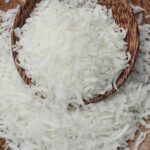
Desiccated coconut is dried, shredded coconut flesh processed to ≤ 3% moisture. It retains the full natural fat content (60–65% high-fat; 35–40% low-fat) and delivers visible texture and coconut flavour in finished products. Learn more in our complete desiccated coconut guide.
Coconut flour is the dried, defatted residue left after coconut milk or oil extraction. Most of the fat has been removed, leaving a very high-fibre (35–45%), highly absorbent powder with a mild coconut flavour.
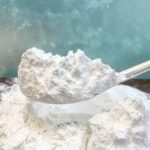
Coconut milk powder is produced by spray-drying fresh coconut milk. Unlike the other two — which are made from coconut flesh — it is derived from extracted coconut liquid. Rich in fat (55–65%) and water-soluble, it delivers creamy coconut flavour when reconstituted.
| Parameter | Desiccated Coconut | Coconut Flour | Coconut Milk Powder |
|---|---|---|---|
| Source | Dried coconut flesh | Defatted coconut flesh | Spray-dried coconut milk |
| Fat content | 35–65% | 10–15% | 55–65% |
| Fibre content | 4–6% | 35–45% | 2–4% |
| Moisture | ≤ 3% | ≤ 12% | ≤ 5% |
| Texture | Shredded / powdery | Fine powder | Fine powder |
| Flavour | Sweet coconut | Mild coconut | Rich, creamy coconut |
| Water solubility | Insoluble | Highly absorbent | Soluble |
| Shelf life | 12 months | 12–18 months | 12–24 months |
| Gluten-free | ✅ Yes | ✅ Yes | ✅ Yes |
| Primary role | Texture & flavour | Fibre & binding | Creaminess & flavour |
Desiccated coconut is the fattiest of the three — retaining the full natural oil of the coconut kernel. Coconut flour sits at the opposite end: most fat removed, fibre concentrated to 35–45%, making it one of the most fibre-dense ingredients in food manufacturing. Coconut milk powder sits between the two in fat content but has a completely different functional role due to its solubility.
This is where desiccated coconut vs coconut flour vs coconut milk powder diverge most clearly:
Desiccated coconut adds visible texture, chew, and fat to finished products. It does not dissolve or significantly absorb liquid — it simply contributes its physical presence to the formulation.
Coconut flour is extremely absorbent — up to 4 times its weight in liquid. It must be used at lower inclusion rates than conventional flour (typically 20–30% substitution maximum) and requires additional liquid in the recipe to compensate.
Coconut milk powder is water-soluble and reconstitutes easily. It contributes no solid texture — only creaminess, body, and coconut flavour to liquid or semi-liquid applications.
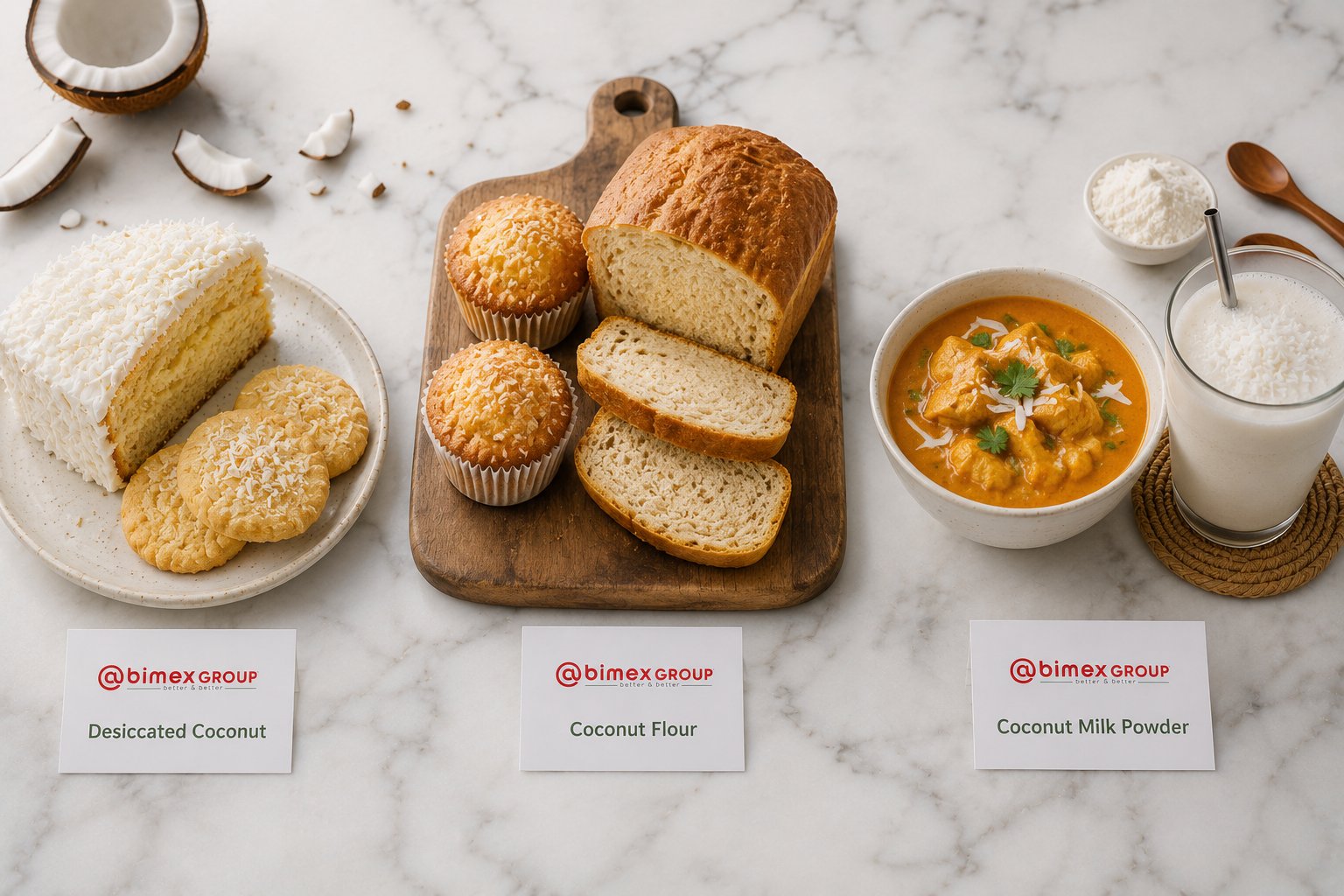
| Application | Best Choice | Reason |
|---|---|---|
| Cakes, biscuits, cookies | Desiccated Coconut | Texture, flavour, fat |
| Granola & trail mix | Desiccated Coconut (Flakes/Chips) | Visual appeal, crunch |
| Confectionery coatings | Desiccated Coconut (Fine) | Adhesion, texture |
| Health snack bars (reduced fat) | Desiccated Coconut (Low-Fat Fine) | Clean label, less fat |
| Gluten-free bread & muffins | Coconut Flour | High fibre, GF binding |
| Protein & energy bars | Coconut Flour | Fibre enrichment |
| Instant coconut milk | Coconut Milk Powder | Solubility, creaminess |
| Curry sauces & soups | Coconut Milk Powder | Body, flavour |
| Vegan dairy alternatives | Coconut Milk Powder | Creaminess, fat content |
The most common confusion in desiccated coconut vs coconut flour sourcing: they are not interchangeable. Coconut flour’s extreme absorbency and low fat content will completely alter moisture balance and texture if substituted for desiccated coconut, and vice versa.
Desiccated coconut and coconut milk powder — not interchangeable. One provides solid texture; the other provides liquid creaminess. Different applications entirely.
Coconut flour and coconut milk powder — not interchangeable. Coconut flour is a structure and fibre ingredient; coconut milk powder is a flavour and creaminess ingredient.
| Parameter | Desiccated Coconut | Coconut Flour | Coconut Milk Powder |
|---|---|---|---|
| Moisture | ≤ 3% | ≤ 12% | ≤ 5% |
| Fat content | 35–65% | 10–15% | 55–65% |
| Fibre | 4–6% | 35–45% | 2–4% |
| Shelf life | 12 months | 12–18 months | 12–24 months |
| Packaging | 25kg / 850kg jumbo | 25kg bag | 25kg bag |
Whether you are sourcing desiccated coconut vs coconut flour vs coconut milk powder, the same certifications apply. Certifications to require: Halal · Kosher · ISO 22000 · FSSC 22000 · HACCP
At Abimex Group, we supply premium desiccated coconut in all grades — fine high-fat, fine low-fat, medium, flakes, and chips — with full Halal, Kosher, ISO 22000, BRC, and FDA certification. Available in 25kg bags and 850kg jumbo bags. Contact us to request samples and discuss bulk sourcing requirements.
No. In the desiccated coconut vs coconut flour comparison, desiccated coconut retains its full natural fat (35–65%) and is used for texture and flavour. Coconut flour is the defatted residue after fat extraction — high in fibre (35–45%), low in fat, and used as a flour substitute in gluten-free baking.
When comparing desiccated coconut vs coconut flour, coconut flour wins on fibre — typically 35–45% per 100g, versus 4–6% in desiccated coconut and 2–4% in coconut milk powder.
In the desiccated coconut vs coconut flour debate for gluten-free baking, both are gluten-free but serve different roles. Coconut flour replaces wheat flour for structure and fibre; desiccated coconut adds texture and flavour. Many successful gluten-free formulations use both.
No — unlike desiccated coconut vs coconut flour (which are both solid ingredients), coconut milk powder serves an entirely different function: liquid creaminess rather than solid texture. They belong in different product categories.
Shelf life comparison — desiccated coconut vs coconut flour vs coconut milk powder: desiccated coconut 12 months, coconut flour 12–18 months, coconut milk powder 12–24 months. All require cool, dry, sealed storage conditions.
Understanding desiccated coconut vs coconut flour vs coconut milk powder is essential for any food manufacturer. These three distinct ingredients that each solve a different formulation challenge. Desiccated coconut delivers texture and fat for solid food applications. Coconut flour provides high fibre and gluten-free binding for baked goods. Coconut milk powder delivers creaminess and solubility for beverages and sauces. Understanding these differences is the first step to selecting the right coconut ingredient for your product.
Looking for a certified desiccated coconut supplier? At Abimex Group, we supply all grades with Halal, Kosher, ISO 22000, BRC, and FDA certification. Contact us to request samples and bulk pricing.