CASHEW NUT SHELL OIL

Choosing the right cat litter is one of the most important decisions for pet owners. Today, eco-friendly options are becoming increasingly popular as people seek sustainable alternatives to traditional bentonite clay litter. Among these alternatives, cassava cat litter and tofu cat litter stand out as two of the most popular choices.
While both products are biodegradable, low-dust, and flushable in small quantities, they differ in several aspects, including clumping strength, odor control, moisture absorption, durability, and overall value.
In this comprehensive comparison, we’ll examine cassava cat litter vs tofu cat litter to help pet owners, distributors, and wholesalers understand which clumping litter delivers better performance.
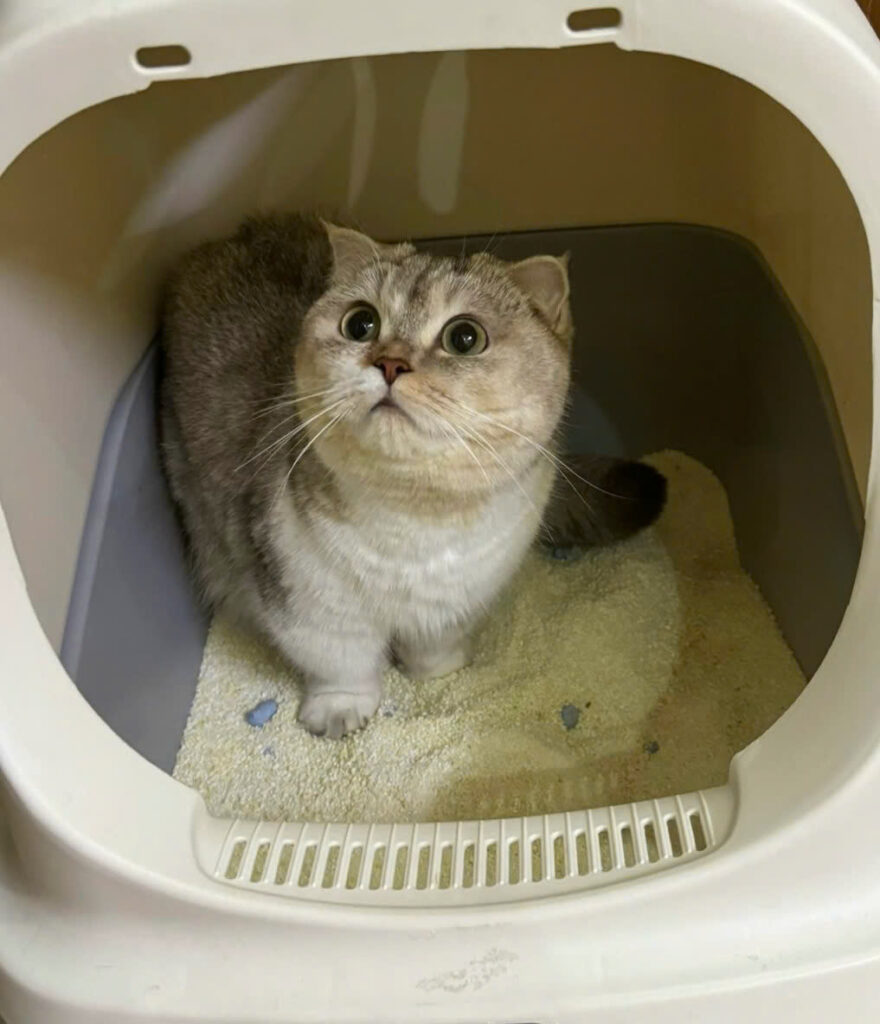
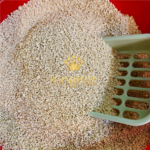
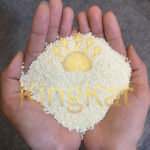
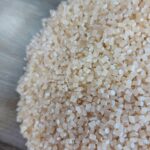
Cassava cat litter is made primarily from cassava starch, a renewable plant-based material derived from cassava roots. Through an advanced production process, the starch is transformed into lightweight pellets that quickly absorb moisture and form hard clumps.
Because cassava starch naturally contains excellent binding properties, cassava litter creates firm clumps that are easy to scoop without breaking apart.
Tofu cat litter is produced mainly from soybean fiber (soy pulp), often combined with corn starch or other natural binders.
It has gained popularity because it is environmentally friendly and softer than clay litter. Tofu litter also absorbs moisture efficiently and is widely available worldwide.
Although tofu litter performs well in many situations, its clumping strength can vary depending on the percentage of soybean fiber and binding agents used.
| Feature | Cassava Cat Litter | Tofu Cat Litter |
|---|---|---|
| Clumping Strength | Excellent | Good |
| Clump Hardness | Very Firm | Medium |
| Odor Control | Excellent | Good |
| Water Absorption | Very Fast | Fast |
| Dust Level | Very Low | Very Low |
| Flushability | Yes | Yes |
| Weight | Lightweight | Lightweight |
| Eco-Friendly | Excellent | Excellent |
| Shelf Life | Longer | Moderate |
| Resistance to Humidity | Better | Moderate |
When discussing clumping litter, this is the most important category.
Cassava cat litter is rich in natural starch, allowing urine to bind almost instantly into solid, compact clumps. These clumps remain intact during scooping, reducing waste and preventing dirty litter from falling back into the box.
Tofu litter also clumps effectively but generally forms softer clumps. In humid environments or after sitting for several hours, tofu clumps may begin to loosen or crumble.
Cassava Cat Litter
Fast absorption keeps the litter box cleaner and minimizes bacterial growth.
Cassava litter absorbs liquid rapidly before it spreads across the litter box. This quick action creates smaller clumps while keeping surrounding litter dry.
Tofu litter absorbs moisture well but often requires a slightly larger amount of litter to achieve the same absorption level.
Cassava Cat Litter
No cat owner enjoys unpleasant litter box odors.
Cassava litter locks moisture inside compact clumps, reducing ammonia formation and helping control odor naturally without artificial fragrances.
Many tofu litters include deodorizing additives, but once moisture remains trapped inside softer clumps, odor can become noticeable sooner.
Cassava Cat Litter
Dust affects both cats and owners, especially households with allergies.
Both cassava and tofu litter are significantly lower in dust than bentonite clay litter.
Premium cassava litter typically contains less than 1% dust, making it suitable for sensitive cats and cleaner indoor environments.
Tofu litter also performs well, although lower-quality products may produce small amounts of powder during transportation.
Tie
One major advantage of plant-based litter is convenience.
Both cassava litter and tofu litter dissolve naturally in water and can usually be flushed in small quantities, depending on local plumbing regulations.
Unlike clay litter, they break down naturally and reduce landfill waste.
Tie
Humidity can significantly impact litter performance.
Cassava litter generally resists moisture in storage better due to its dense pellet structure.
Tofu litter may soften more easily if exposed to humid air for extended periods, making proper storage essential.
Cassava Cat Litter
Distributors and retailers often consider storage stability.
Cassava litter generally offers a longer shelf life because it is less likely to absorb ambient moisture during storage.
Tofu litter may require stricter humidity control to maintain pellet quality.
Cassava Cat Litter
Multi-cat households need litter that handles heavy daily use.
Cassava cat litter offers several advantages:
These benefits make it particularly suitable for homes with two or more cats.
Both products are environmentally friendly alternatives to clay litter.
Both products support greener pet care, but cassava litter often requires less replacement due to its superior durability, potentially reducing overall consumption.
Although pricing varies by market, value depends on performance rather than purchase price alone.
Cassava litter often lasts longer because:
As a result, many users find cassava litter more cost-effective over time.
Both cassava cat litter and tofu cat litter are excellent eco-friendly choices that outperform traditional clay litter in terms of sustainability, low dust, and biodegradability.
However, when comparing overall clumping performance, cassava cat litter consistently stands out. Its rapid absorption, firm clumps, superior odor control, resistance to humidity, and longer shelf life make it an ideal solution for everyday use, especially in multi-cat households.
If your priority is cleaner scooping, less litter waste, and long-lasting performance, cassava cat litter is the stronger choice.
Whether you are a pet owner looking for a premium litter or a distributor seeking a reliable eco-friendly product, cassava cat litter delivers an excellent balance of performance, convenience, and sustainability.