
CASHEW NUT SHELL OIL

The question “tapioca starch vs tapioca flour” is more complicated than it first appears.
In many markets, the terms tapioca starch and tapioca flour are used interchangeably for the same refined starch ingredient made from cassava roots.
However, terminology is not completely standardized across every country, supplier, retailer, and food industry segment.
This means buyers should be careful before assuming that two products with different names are either exactly the same or completely different.
For B2B sourcing, the safest approach is simple:
Do not rely on the product name alone. Check the technical specification of the actual product being offered.
That is especially important when sourcing for food manufacturing, industrial processing, export, or private-label projects.
To understand the difference, it helps to begin with a basic question:
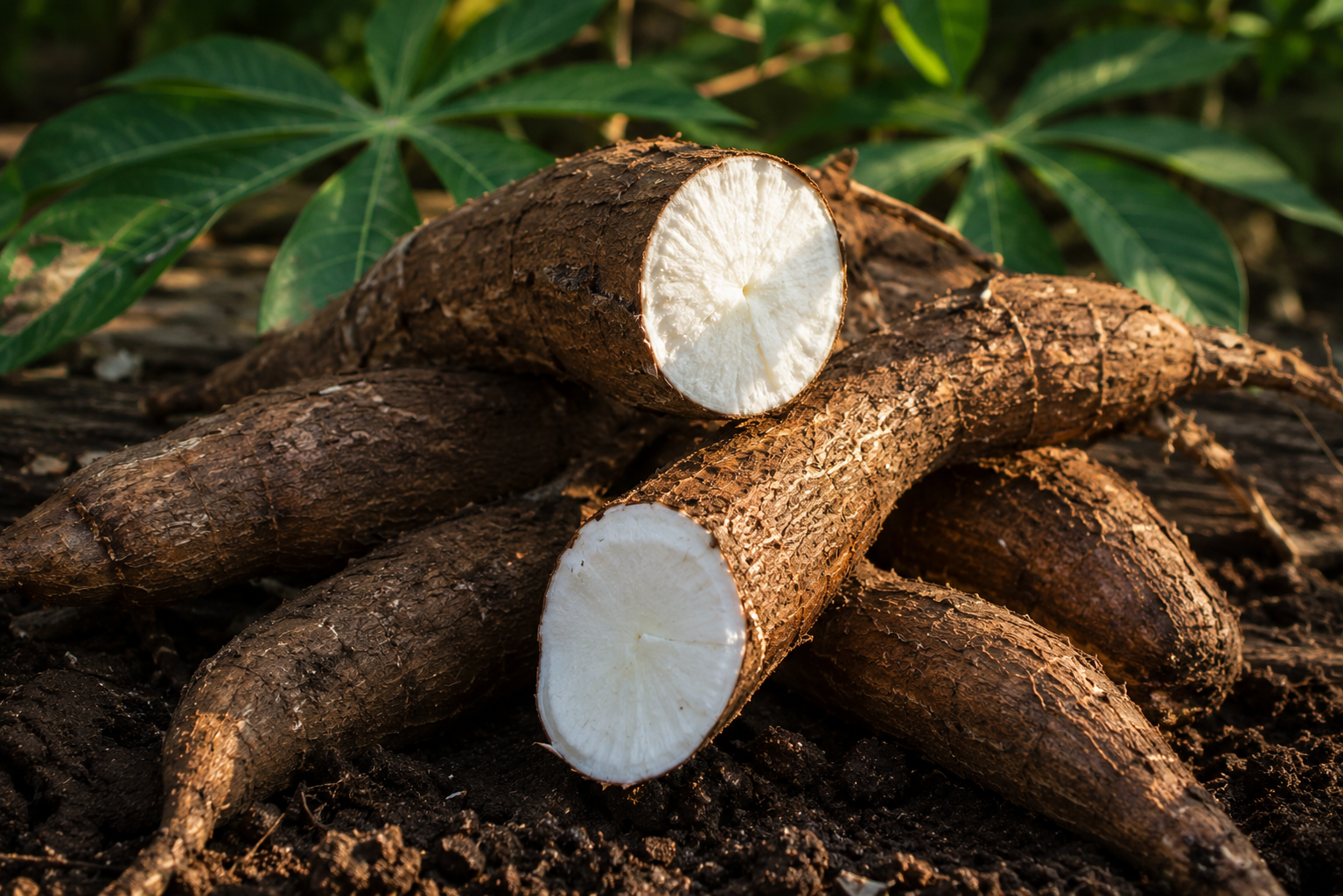
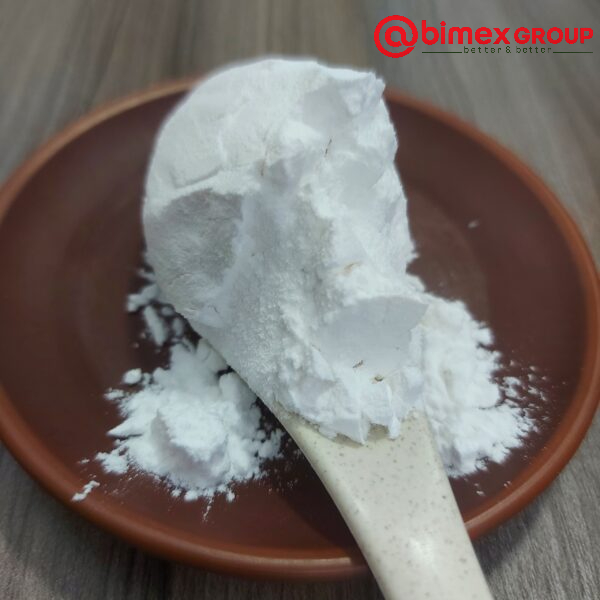
Tapioca starch is a starch ingredient derived from cassava roots.
Cassava is processed to separate the starch from other parts of the root. The starch is then refined and dried into a fine powder.
Depending on the supplier and market, this same type of ingredient may be labeled as:
This is where confusion begins.
The name printed on a bag does not always tell the full technical story.
In many countries, especially in retail and foodservice contexts, tapioca flour is commonly used as another name for tapioca starch.
The product may still be a purified starch extracted from cassava.
For example, a consumer may see:
Tapioca Flour
on a retail bag, while a food manufacturer may receive a specification sheet describing the same type of ingredient as:
Native Tapioca Starch
This does not necessarily mean the products are different.
It may simply reflect different naming conventions.
Not necessarily.
This is why it is risky to make an absolute statement.
In some supply chains, the term “flour” may be used more broadly.
A supplier might use the word “cassava flour” to describe a product made from more of the whole cassava root, rather than only the purified starch fraction.
That product may behave differently from refined tapioca starch.
Therefore, when comparing tapioca starch vs tapioca flour, the buyer should ask:
The commercial name alone is not enough.
Another common source of confusion is the difference between:
In some markets, these two names may refer to different products.
Cassava flour may sometimes refer to a product made from the whole cassava root after drying and milling.
Tapioca starch, by contrast, generally refers to the extracted starch fraction.
However, the exact terminology still depends on the supplier and country.
This is why B2B buyers should verify the process and specification rather than relying only on the front label.
The phrase cassava starch vs tapioca starch also creates confusion.
In many industrial contexts, these two terms may refer to the same basic starch derived from cassava.
“Tapioca” is widely used in food applications.
“Cassava starch” may be more common in industrial, technical, or agricultural trade contexts.
In some markets, the choice of name depends on:
So, cassava starch vs tapioca starch is often more a question of terminology than product identity.
Still, buyers should confirm the exact grade.
Another important distinction is between native and modified starch.
Even if both products are made from cassava, they may not perform the same way.
Native tapioca starch is the starch in its unmodified form after extraction and refining.
It can be used in applications such as:
depending on the formulation.
Modified tapioca starch has been processed to change certain functional properties.
Depending on the grade, modified starch may be developed to provide improved performance under:
This means that even if two products are both called “tapioca starch,” they may still be technically different.
The grade matters.
International buyers often work with suppliers from different regions.
One supplier may write:
Tapioca Starch
Another may write:
Tapioca Flour
A third may write:
Cassava Starch
These names may refer to similar products, but not always.
Differences in terminology can come from:
For this reason, buyers should avoid rejecting or approving a product based only on naming.
The most reliable approach is to review the technical documents.
Important documents may include:
These documents provide more useful information than the product name alone.
A specification sheet can help confirm:
The actual parameters will depend on the supplier and product.
Because specifications can vary, buyers should review the document for the exact lot or grade they intend to purchase.
Do not assume that all tapioca starch products share identical specifications.
The Certificate of Analysis, or COA, is another useful document.
While a general specification describes the product standard, a COA may provide information for a specific batch or lot.
This is especially important for industrial buyers.
Before approving a shipment, buyers may want to confirm that:
This helps reduce misunderstandings caused by terminology.
If “tapioca flour” refers to the same purified starch product as tapioca starch, it may behave similarly.
However, if the product is a different type of cassava-based flour, the result may not be the same.
This is why formulation developers should test the actual product.
Differences may affect:
The product should be evaluated based on function, not just name.
Tapioca starch is used in a wide range of food applications.
Depending on the formulation, it may support:
Possible applications include:
The exact performance depends on the starch grade and process.
Not always.
The word “flour” can be misleading because naming practices differ between markets.
In some retail markets, “tapioca flour” may still be a highly refined starch.
In other contexts, “cassava flour” may refer to a different product.
Therefore, buyers should not assume that:
flour = whole root
or that:
starch = refined
without checking the technical documentation.
The terminology alone is not reliable enough.
If a formula specifies tapioca starch, it is not always safe to replace it with a product labeled “cassava flour” or “tapioca flour” without verification.
The correct approach is:
Check the product identity → Review the spec → Test the application.
This is particularly important for:
Small differences in raw materials can affect the final product.
When comparing tapioca starch vs tapioca flour, buyers can ask:
These questions are more useful than simply asking whether the product is called “starch” or “flour.”
One of the most common sourcing mistakes is assuming that:
different name = different product
or:
same name = same product
Neither assumption is always correct.
Two suppliers may use different names for similar starch products.
At the same time, two products with the same name may have different grades or specifications.
The solution is technical verification.
Language varies across export markets.
A name that is common in one country may sound unusual in another.
This can affect:
B2B sellers should therefore confirm which terminology is most appropriate for the target market.
In some cases, yes.
A supplier may use language such as:
“Tapioca Starch, also commonly referred to as Tapioca Flour in some markets.”
This can help improve clarity.
However, the wording should always match the actual product being sold.
If there is any uncertainty, the technical specification should be the final reference.
Product labeling requirements vary by market.
The correct product name may depend on:
Exporters should confirm labeling requirements for the destination market before finalizing packaging.
A commonly used commercial name does not automatically mean it is the correct legal label in every country.
This article focuses only on terminology and product identity.
It does not make claims regarding:
Any nutritional statement should be based on appropriate product information and applicable regulations.
This topic works well with a simple educational video.
A short video can show:
Bag 1: “Tapioca Starch”
Bag 2: “Tapioca Flour”
Bag 3: “Cassava Starch”
Then display the message:
“Different names can refer to similar products — always check the specification.”
A simple 10–30 second flow could be:
0–5 seconds: Show different product names.
5–10 seconds: Show tapioca starch powder.
10–20 seconds: Show a specification sheet or COA.
20–30 seconds: End with:
“Name matters. Specification matters more.”
This format can work well for:
In many markets, the two names are used for the same purified cassava starch product. However, naming varies, so buyers should verify the product specification.
Tapioca starch is a starch ingredient extracted from cassava roots and refined into a fine powder.
In many industrial and food markets, the terms may refer to the same basic starch. The exact grade should still be confirmed.
Not necessarily. In some markets, cassava flour may refer to a more whole-root product. Buyers should review the technical documentation.
Check the specification sheet, COA, product description, and supplier documentation for the exact grade or lot.
The question “tapioca starch vs tapioca flour” does not always have a simple yes-or-no answer.
In many markets, the two terms may describe the same purified cassava starch ingredient.
In other cases, naming conventions may differ between suppliers, countries, or product types.
The same applies to cassava starch vs tapioca starch.
Instead of relying on the commercial name, buyers should verify:
product identity + grade + specification + COA + intended application.
The safest sourcing approach is:
Read the label → Check the spec sheet → Confirm the grade → Test the application.
For international B2B buyers, this is far more reliable than assuming that every product called “tapioca flour,” “tapioca starch,” or “cassava starch” is automatically identical.
Abimex Group supplies Vietnamese native and modified tapioca starch for international food manufacturers, ingredient distributors, importers, and industrial buyers.
Buyers can contact us to discuss:
Contact Abimex Group to discuss Vietnamese tapioca starch for your food or industrial application.