CASHEW NUT SHELL OIL

CASHEW NUT SHELL OIL
RICE PROTEIN POWDER
RICE PROTEIN POWDER
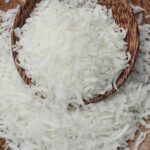
DESICCATED COCONUT
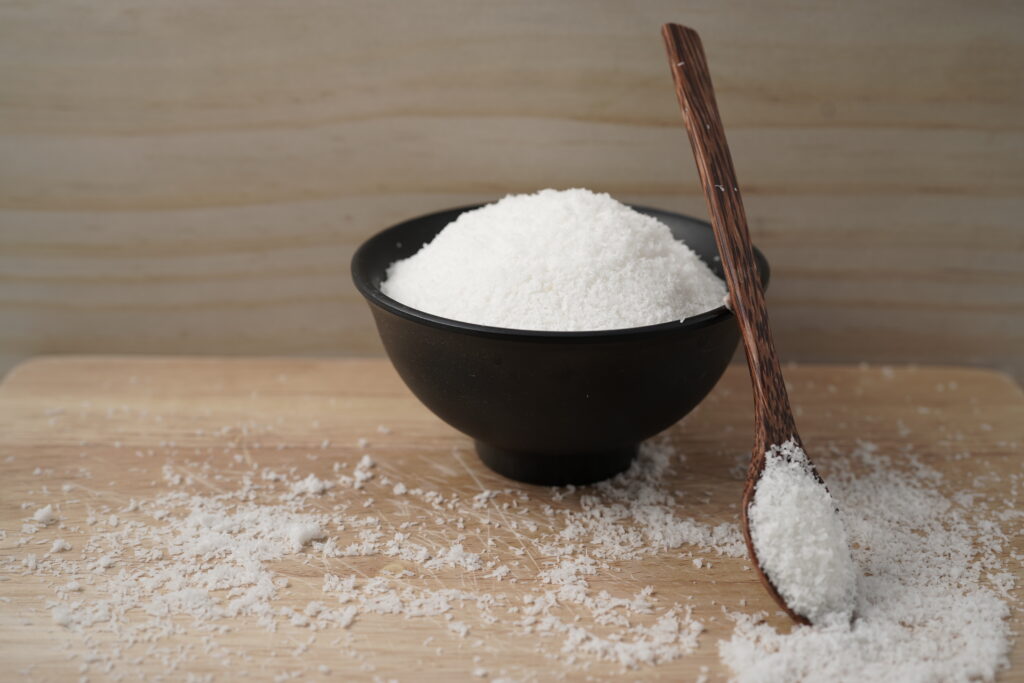
Halal, Kosher, and BRC Certified Desiccated Coconut refers to coconut that has been produced under internationally recognized food safety, religious compliance, and quality management systems.
Rather than focusing only on the coconut itself, these certifications evaluate the entire production process, including:
This comprehensive approach ensures that every shipment consistently meets international buyer expectations.
Today’s food supply chains are more global than ever before. Importers often source products from multiple countries while supplying retailers, food manufacturers, and restaurant chains that demand complete transparency.
Without internationally recognized certifications, importers may face:
Certified manufacturers simplify procurement because their production systems have already been independently audited.
Halal certification verifies that food products comply with Islamic dietary requirements.
For desiccated coconut, this means:
Halal certification is increasingly important not only in Muslim-majority countries but also in multicultural markets where consumers actively seek certified products.
Major import markets include:
Many supermarket chains now require Halal certification for products sold to diverse consumer groups.
Kosher certification ensures compliance with Jewish dietary laws while also representing high manufacturing standards.
Many buyers choose Kosher-certified ingredients because they associate the certification with:
Interestingly, a large percentage of consumers purchasing Kosher-certified foods are not Jewish. Many simply perceive Kosher products as safer and more carefully produced.
This makes Kosher certification valuable for brands targeting premium retail markets.
Among all food safety certifications, BRCGS is considered one of the most respected by global retailers.
BRCGS certification focuses on:
Many supermarket chains and private label buyers require BRCGS-certified suppliers before approving new vendors.
For importers, sourcing from a BRCGS-certified factory reduces operational risks while improving confidence in product consistency.
Choosing Halal, Kosher, and BRC Certified Desiccated Coconut offers significant commercial advantages.
Table of Contents
ToggleCertified manufacturers already comply with internationally recognized standards, reducing the time required for audits and qualification.
Documented production procedures minimize contamination risks and support consistent product quality across shipments.
Many countries and retailers require one or more of these certifications before allowing imported food products onto their shelves.
Certified suppliers make it easier to enter:
Large retailers often prioritize suppliers that can demonstrate internationally recognized certifications.
Certification may become a mandatory requirement during supplier onboarding.
Modern consumers care about:
Products carrying recognized certifications inspire greater confidence and strengthen brand reputation.
Private label products are expected to meet the same—or even higher—standards as national brands.
When sourcing desiccated coconut for private label packaging, certifications help protect your brand by ensuring:
This is especially important when supplying supermarkets or international foodservice chains.
Certified desiccated coconut is widely used across the food industry, including:
Because certifications cover the production process rather than a single application, certified coconut can be incorporated into a wide variety of food products.
Before selecting a supplier, importers should verify:
These questions help minimize sourcing risks and ensure long-term supply reliability.
While certifications are essential, they should be evaluated alongside other important factors, including:
The best suppliers combine internationally recognized certifications with dependable manufacturing and strong customer support.
As global food regulations continue to evolve, Halal, Kosher, and BRC Certified Desiccated Coconut has become more than just a marketing advantage—it is a key requirement for successful international sourcing. These certifications help importers reduce supply chain risks, streamline supplier approval, meet retailer expectations, and build greater trust with consumers.
For businesses looking to expand into demanding international markets, partnering with a certified manufacturer provides a solid foundation for long-term growth, consistent quality, and regulatory compliance.
Abimex Group is a trusted Vietnamese manufacturer and exporter of premium desiccated coconut, supplying customers worldwide with consistent quality and reliable service. Our production facilities operate under internationally recognized food safety systems, including Halal, Kosher, HACCP, ISO, and other applicable certifications, helping importers meet diverse market requirements with confidence.
Whether you require High Fat, Reduced Fat, Fine, Medium, Flakes, or OEM/Private Label desiccated coconut, our experienced team is ready to support your business with competitive pricing, flexible packaging, dependable supply, and professional export services.
Contact Abimex Group today to request specifications, certifications, samples, or a customized quotation for your market.