CASHEW NUT SHELL OIL
Introduction
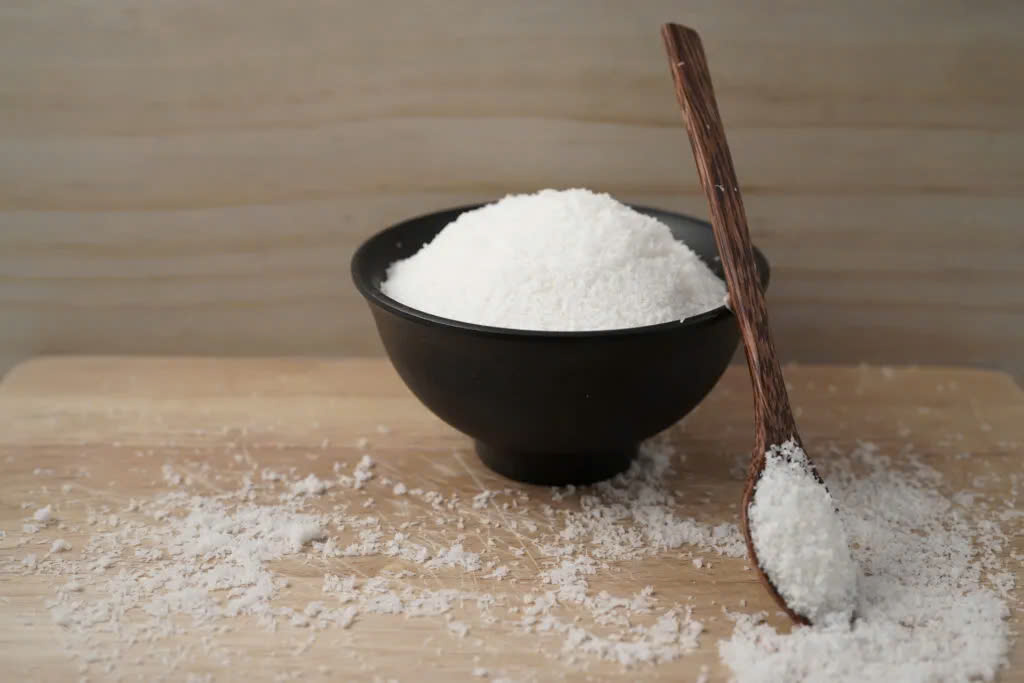
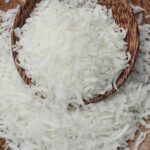
Desiccated coconut is gaining popularity among keto and vegan communities due to its low-carb content and plant-based origin.
Both the Keto and Vegan diets are among the fastest-growing lifestyles worldwide. Keto focuses on low-carb, high-fat eating, while Vegan eliminates all animal-based products. With these two diets gaining popularity, people are constantly looking for versatile ingredients that fit into their daily meals.
One ingredient often mentioned in both diet communities is desiccated coconut. But the big question is: Is desiccated coconut good for keto and vegan diets?
Let’s explore its nutrition profile, health benefits, diet compatibility, and practical ways to use it so you can make an informed choice.
Table of Contents
ToggleIs Desiccated Coconut Good for the Keto Diet?
The Keto diet requires keeping carbs low (20–50g per day) while maintaining high fat intake.
Why Desiccated Coconut Fits Keto:
Low Net Carbs: Only ~6g per 100g → fits easily into daily carb limits.
High in MCTs (Medium-Chain Triglycerides): Boosts energy, supports ketosis, and helps fat metabolism.
Fiber Content: Promotes digestion and prevents cravings.
Satiety: High-fat content keeps you feeling full longer.
✅ Verdict: Yes, this ingredient is keto-friendly. It works best in fat bombs, low-carb baked goods, or as a crunchy topping.
Is Desiccated Coconut Good for the Vegan Diet?
Vegans avoid all animal-derived foods, so plant-based sources of fat, fiber, and minerals are essential.
Why Desiccated Coconut Fits Vegan:
100% Plant-Based: Naturally vegan, no animal ingredients.
Rich in Plant Fats: Helps replace dairy fats in recipes.
Mineral Boost: Provides iron (for energy) and manganese (for metabolism).
Versatility: Used in curries, desserts, plant-based snacks, and dairy alternatives.
✅ Verdict: Desiccated coconut is an excellent addition to the vegan diet. It provides taste, texture, and nutrition in one ingredient. Compared to almond flour or coconut flour, this ingredient contains more texture and natural sweetness, making it ideal for baking. It’s also a great source of dietary fiber, which supports digestive health—a key concern for both keto and vegan followers.
How to Use Desiccated Coconut in Keto & Vegan Recipes
For Keto:
Keto Energy Balls: Mix desiccated coconut with almond butter, cocoa, and coconut oil.
Low-Carb Baking: Replace part of flour in muffins, pancakes, or cookies.
Smoothie Booster: Blend with avocado and unsweetened almond milk for a creamy shake.
For Vegan:
Vegan Coconut Curry: Use as a thickener and flavor enhancer.
Vegan Yogurt Topping: Sprinkle on soy or almond yogurt with fresh fruits.
Plant-Based Desserts: Add to chia puddings, granola, and raw energy bars.
FAQs About Desiccated Coconut, Keto & Vegan
1. Is desiccated coconut high in carbs? No. It has only ~6g net carbs per 100g, making it keto-friendly.
2. Can vegans eat all types of desiccated coconut? Yes, but check labels for added milk powder or sweeteners in flavored varieties.
3. Is desiccated coconut gluten-free? Yes, it’s naturally gluten-free.
4. How should I store desiccated coconut? Keep in an airtight container in a cool, dry place. Refrigerate after opening to extend shelf life.
5. Can desiccated coconut help with weight loss? Yes, thanks to fiber and MCTs, it promotes satiety. But consume in moderation due to its high calorie content.
Conclusion
So, is desiccated coconut good for Keto and Vegan diets? The answer is a definite YES.
For Keto followers, it offers low net carbs, high fats, and MCT benefits.
For Vegans, it provides a plant-based source of fat, fiber, and minerals.
In both diets, it’s versatile, nutritious, and delicious.
Whether you sprinkle it on smoothie bowls, bake it into low-carb treats, or use it in vegan curries, desiccated coconut is a must-have super ingredient for healthy living.