
CASHEW NUT SHELL OIL

Soft dried mango snack products are becoming more visible in supermarkets, specialty stores, online shops, convenience channels, and private-label snack ranges. Their combination of recognizable fruit origin, tropical flavor, chewy texture, portability, and ready-to-eat convenience gives brands an alternative to more traditional snack categories such as cookies, candy, chips, and confectionery.
This does not mean dried mango is automatically better or more nutritious than every conventional snack. Nutritional composition varies depending on the mango, processing method, moisture level, formulation, serving size, and whether ingredients such as sugar are added.
However, changing snacking habits are creating more room for dried tropical fruit. Recent CBI market research notes that dried mango has moved beyond specialist shops into mainstream European supermarkets, while demand for dried tropical fruit continues to be supported by convenient snacking and interest in fruit-based options.
For snack manufacturers and B2B buyers, this creates opportunities to position a soft dried mango snack in several different ways.
Consumers often want snacks that are easy to carry, simple to eat, and suitable for different occasions.
A soft dried mango snack fits many of these practical requirements.
Unlike fresh mango, it normally requires no peeling, cutting, or immediate preparation before consumption. It can be packed into small retail pouches, larger sharing formats, multipacks, travel packs, or mixed snack products.
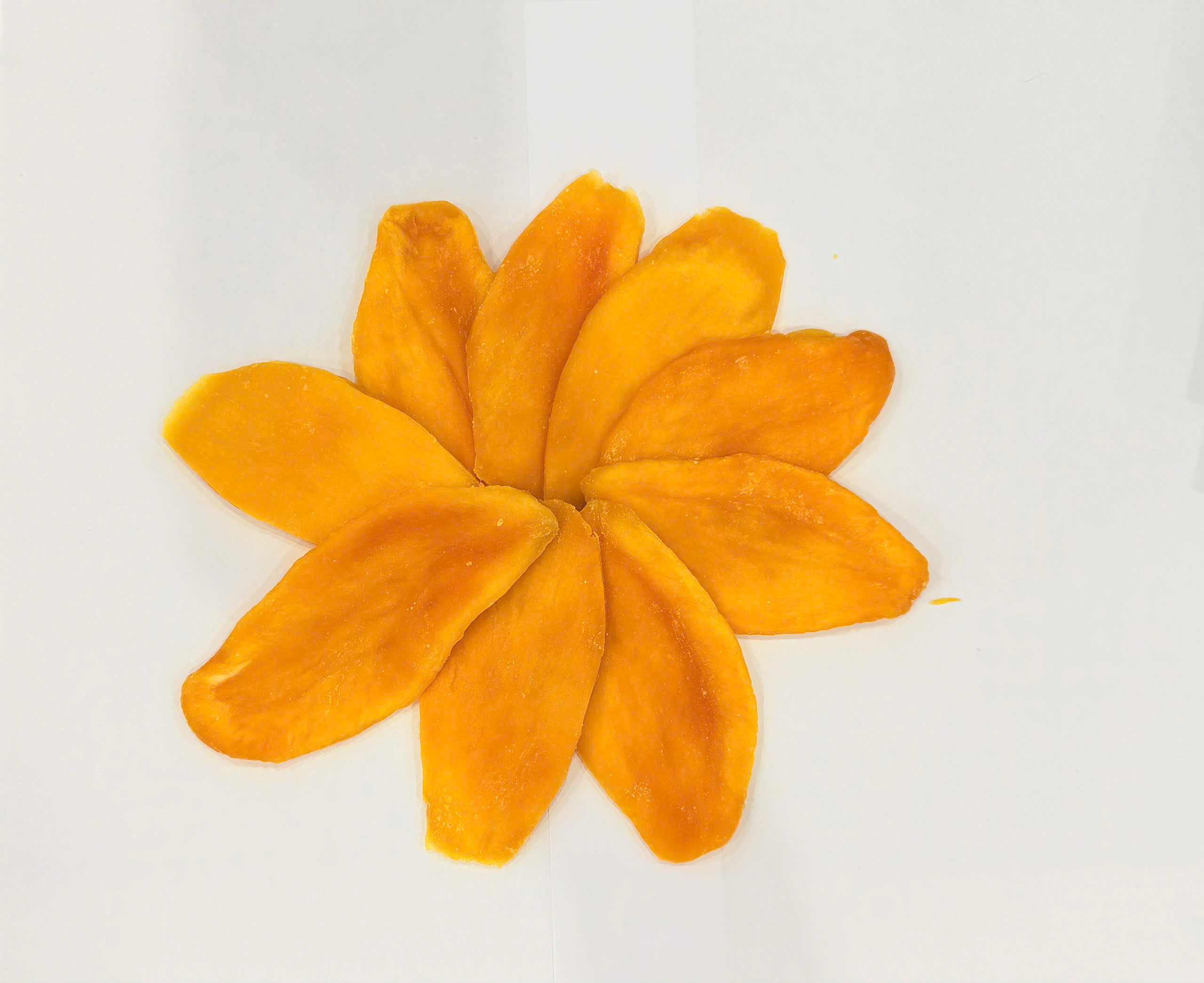
Its fruit identity is also easy for consumers to understand.
The product still looks recognizably like mango, particularly when presented as slices or strips. This can help brands communicate the product concept quickly without relying on complicated explanations.
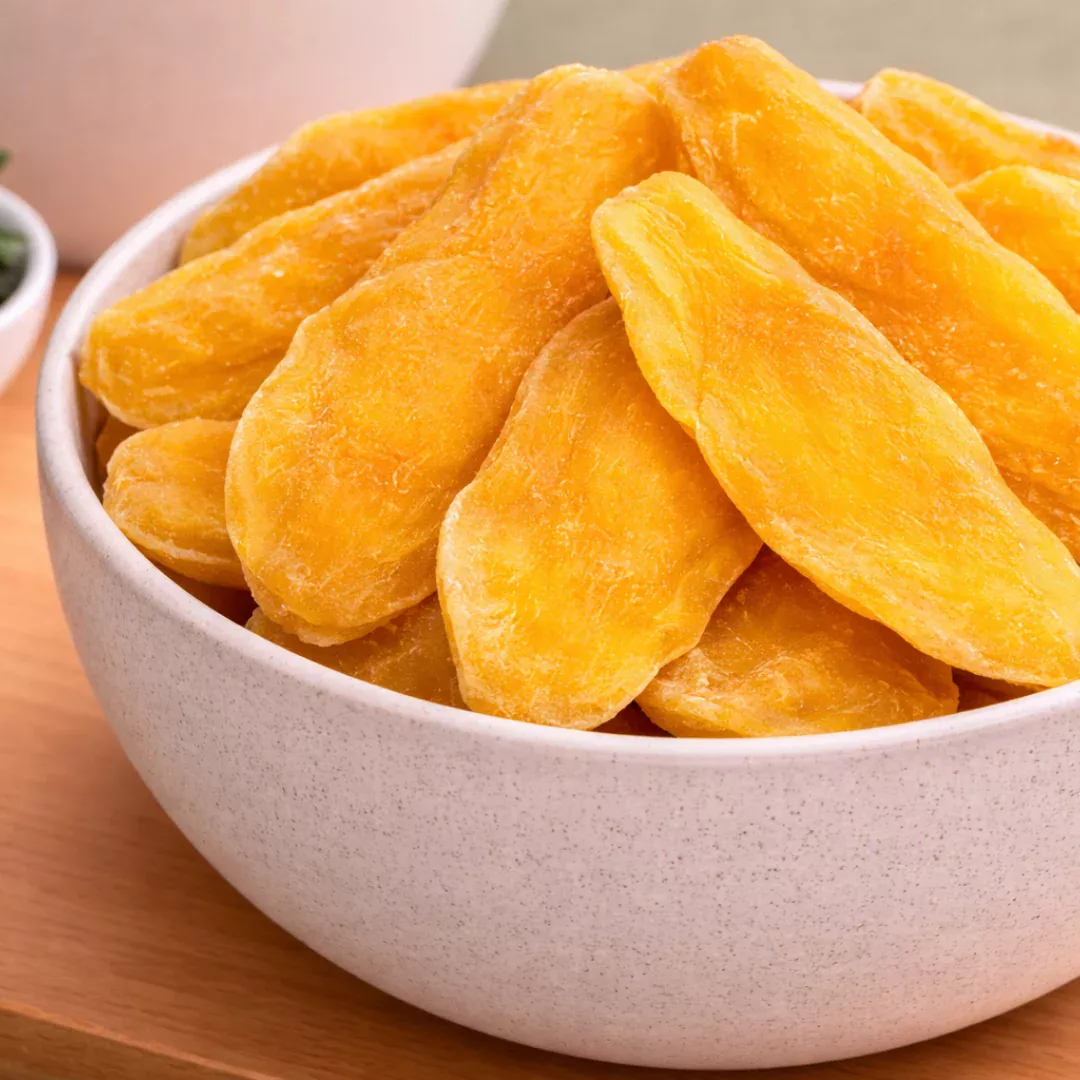
Convenience is one of the strongest reasons dried fruit works well in the snack category.
Consumers may carry snacks to work, school, travel, outdoor activities, or between appointments. A packaged dried fruit product can fit these occasions without requiring preparation.
For brands, a soft dried mango snack can be developed in different formats depending on the target channel.
Small packs may work well for convenience retail, cafés, travel stores, or single-use occasions.
Larger packs may fit supermarkets, family sharing, wholesale, or online retail.
Multipacks can provide another option for consumers who want individual portions while purchasing several servings at once.
The ideal format depends on the market, price point, packaging system, and consumer behavior.
Texture plays an important role in snack choice.
Traditional chips are typically crisp or crunchy. Candy can be soft, chewy, or hard. Cookies and biscuits offer another type of bite.
A soft dried mango snack provides a different experience.
Depending on moisture, slice thickness, mango variety, drying conditions, formulation, and storage, the product can offer a tender or chewy texture while still maintaining the structure of the fruit.
This sensory difference can help brands diversify a snack range.
A consumer who wants something different from crunchy chips or hard confectionery may find a chewy fruit snack appealing.
However, not all soft dried mango has the same texture. Buyers should evaluate samples directly because products can vary significantly in softness, stickiness, thickness, and chewiness.
Mango has a strong tropical identity.
That can be valuable in a crowded snack market where many brands compete using similar ingredients and flavors.
A soft dried mango snack can provide recognizable mango aroma, sweetness, acidity, and color while offering a more concentrated fruit experience than fresh mango.
The exact flavor depends on several factors, including fruit variety, maturity, drying method, ingredients, and final moisture.
Some commercial products also contain added sugar, while others may be formulated differently.
For this reason, brands should check the ingredient declaration and product specification before making claims such as “no added sugar.”
The strongest positioning comes from accurate product information rather than assumptions based on appearance or taste.

A soft dried mango snack does not have to be sold only as individual slices.
Manufacturers can explore several formats, including:
This gives the soft dried mango snack category flexibility across different channels and price points.
Large slices may emphasize the fruit itself and work well for stand-alone snacking.
Smaller diced pieces may be more practical in snack mixes or food-manufacturing applications.
Strips can offer another portioning format, while cubes may help provide more uniform distribution in mixed products.
There is no universal best cut. The right format depends on how the brand wants consumers to experience the mango.
Packaging can strongly influence how a dried mango product is positioned.
A simple pouch may work for everyday snacking. A smaller premium pack may fit cafés or specialty retail. Larger or resealable formats may be more appropriate for household use.
Online retail can also support bundles or multipacks.
CBI market information indicates that dried mango is widely sold through retail snack channels in Europe, including supermarket and private-label formats.
For brands developing a soft dried mango snack, packaging decisions should consider more than appearance.
Important factors include protection from external moisture, seal integrity, pack size, product compression, sticking, transport conditions, and the expected consumer use after opening.
Snack companies do not always need another flavor of the same product.
Adding a different ingredient category can create more meaningful portfolio variety.
For example, a company already selling nuts, granola, coconut products, or tropical snacks may use soft dried mango to create a complementary chewy option.
This can help provide contrast between:
crunchy and chewy textures, tropical and conventional flavors, individual snacks and mixes, or everyday and premium product concepts.
A soft dried mango snack may therefore work particularly well as part of a broader tropical or fruit-focused range.
For distributors, it can also complement products such as dried pineapple, coconut snacks, banana chips, or jackfruit products.
As dried fruit becomes more visible in snack ranges, buyers should pay attention to what is actually inside the product.
Not all dried mango products have identical formulations.
Depending on the manufacturer, products may differ in:
Consumers may associate fruit snacks with simplicity, but brands should base product communication on verified specifications.
If added sugar is present, that should be reflected appropriately in the ingredient and nutrition information.
If the product is marketed with specific claims, those claims should be supported by the actual formulation and destination-market requirements.
Before adding a soft dried mango snack to a retail or private-label portfolio, buyers should evaluate more than appearance.
Useful points include the ingredient declaration, sweetness, aroma, softness, chewiness, stickiness, cut type, piece consistency, moisture specification, packaging format, storage recommendations, product documentation, and approved sample.
Buyers should also consider the target customer.
A product developed for premium gift retail may need a different cut, presentation, and packaging format from a product intended for convenience stores or large supermarket chains.
Testing samples under realistic storage and handling conditions can also help determine whether the product remains suitable throughout the intended supply chain.
The growing visibility of dried mango reflects a broader shift toward more varied snacking occasions.
Consumers are no longer choosing only between chips, cookies, or candy. Fruit snacks, nuts, bars, mixes, and other formats are competing for the same convenient eating occasions.
A soft dried mango snack can stand out through its tropical flavor, recognizable fruit appearance, chewy texture, portability, and flexible packaging possibilities.
For brands, the opportunity is not simply to position dried mango as “better” than traditional snacks.
A stronger strategy is to emphasize what makes the product different and identify the consumer occasions where those characteristics provide value.
That may be convenient snacking, travel, office consumption, tropical snack assortments, gift retail, or private-label product development.
Abimex Group supports international B2B buyers sourcing soft dried mango and other processed fruit products for retail, wholesale, private-label, snack mixes, foodservice, and food-manufacturing applications.
From product specifications and sample discussions to cut formats, packaging requirements, documentation, and export coordination, Abimex Group works with buyers to support different market and product needs.
Contact Abimex Group to discuss your soft dried mango requirements, preferred texture and cut, packaging options, and sourcing plans.