
CASHEW NUT SHELL OIL

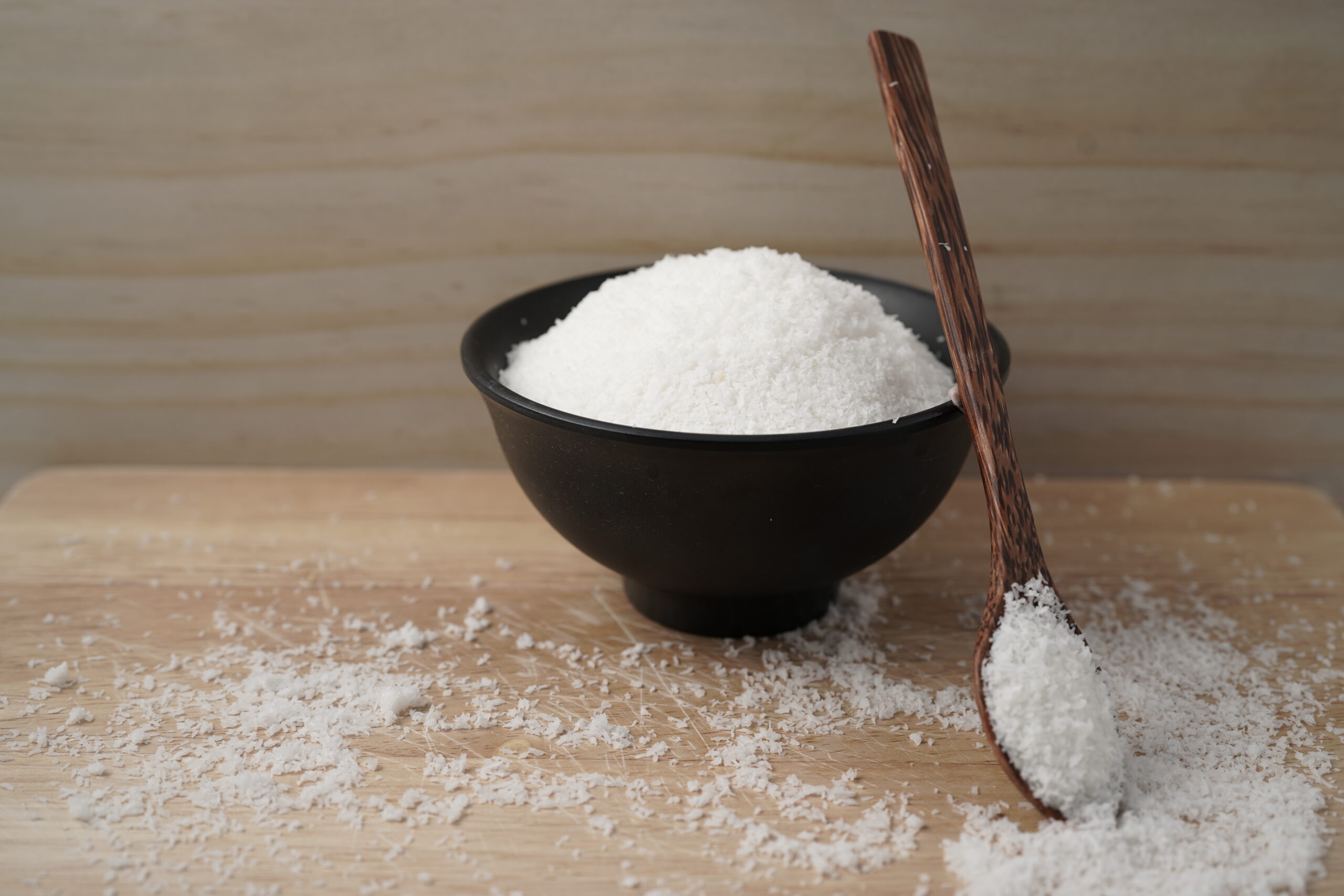
Christmas baking is one of the easiest ways to turn desiccated coconut into a visually festive ingredient.
Its light color, fine texture, and recognizable coconut appearance make it especially suitable for cookies and cakes that need a winter-inspired finish.
For seasonal content, coconut christmas cookies can be shown in many ways:
This makes desiccated coconut useful not only for home-style recipe inspiration but also for bakery brands, cafés, private-label snack projects, and seasonal food marketing.
Instead of repeating broader holiday ideas such as truffles and confectionery, this article focuses specifically on three Christmas baking concepts built around cookies and baked products.
The ideas below are for inspiration only. Exact formulations, ingredient quantities, baking temperatures, and processing times should be tested according to the actual recipe and equipment.
Christmas food is strongly visual.
Consumers often associate the season with:
Desiccated coconut naturally fits this visual language.
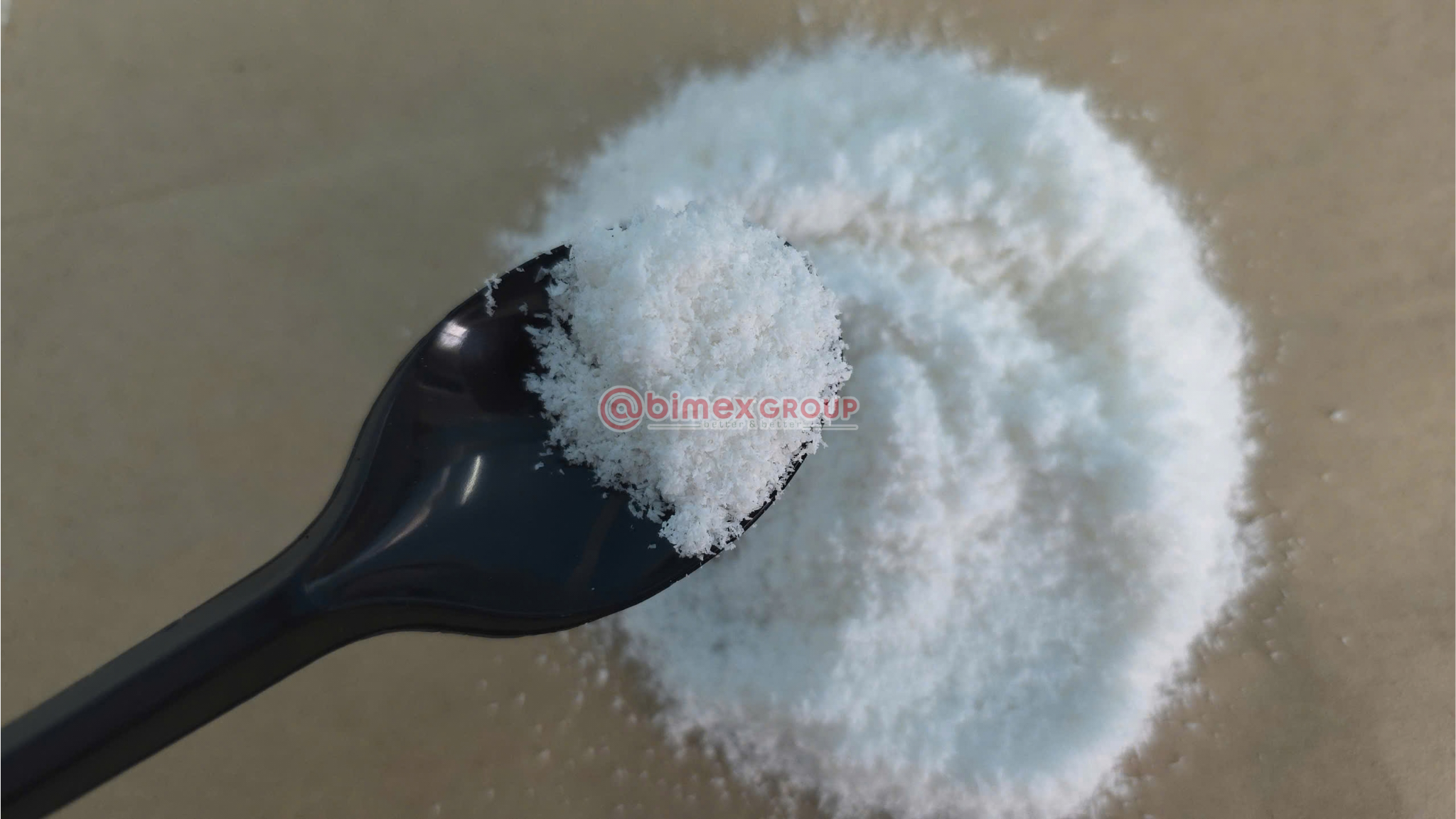
Its white or creamy appearance can create a simple snow-like effect without complicated decoration.
Depending on particle size, it can also contribute:
For christmas baking, this makes desiccated coconut both a functional ingredient and a decorative element.
The first idea is a simple snow-style cookie.
The concept begins with a soft or crisp cookie base, depending on the desired product.
Desiccated coconut can be used:
The visual goal is simple:
a golden cookie covered with a light coconut “snow” layer.
This type of cookie works particularly well in:
Particle size changes the final look.
Fine coconut may create:
Medium coconut may create:
For a delicate snow effect, Fine may be visually suitable.
For a more textured cookie, Medium can create a stronger coconut identity.
The best choice depends on the intended product style.
Chocolate and coconut create a strong color contrast.
A dark or cocoa-based cookie combined with white desiccated coconut can immediately look festive.
The coconut can be used in several ways:
For social media, this combination is easy to photograph because the contrast is strong.
A close-up image can show:
dark chocolate cookie + white coconut + festive background
without needing much additional decoration.
Christmas content often performs well when the product is easy to recognize in one frame.
White coconut against dark chocolate creates immediate visual separation.
For bakery brands, this can help the cookie stand out in:
The coconut also provides visible particle texture.
This makes the finished cookie look more interesting than a completely smooth surface.
A third idea is a filled cookie with a small center.
The filling could be based on a suitable fruit or confectionery concept, while desiccated coconut is used around the outside.
This creates three visible elements:
cookie base + coconut coating + colorful center
The final effect can be especially attractive when using festive colors such as:
For example, a red center surrounded by white coconut can create a strong Christmas appearance.
The exact filling system should be selected and tested according to the final product.
This type of cookie gives a clear visual story.
A camera can show:
That makes it ideal for a 10–30 second video.
Desiccated coconut does more than decorate the surface.
When mixed into dough, it may affect:
Because coconut is a dry ingredient, it interacts with the moisture available in the dough.
This means manufacturers should not simply add more coconut without reviewing the overall formulation.
A higher coconut level may require adjustments to:
Commercial recipes should be tested rather than copied directly from visual inspiration.
Different cookie concepts can support different market positions.
Use:
Use:
Focus on:
The same basic coconut concept can therefore be adapted to several channels.
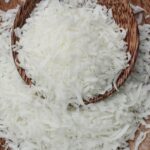
Desiccated coconut has visible texture.
A close-up video can show:
This is especially useful for B2B buyers who may want to see how Fine and Medium grades look in a real bakery application.
Consumers may also search for coconut christmas cake during the holiday season.
Although this article focuses on cookies, the same ingredient can be used in:
This related search intent can be captured through internal linking or a future dedicated article.
A separate cake article is preferable to overloading this page with too many applications.
This article should remain distinct from the earlier “Desiccated Coconut for Holiday Treats” content.
That earlier article focuses more broadly on:
This article focuses specifically on:
This distinction helps avoid duplicate content and gives each article a clearer SEO purpose.
For cookie applications, particle size can influence both visual appearance and texture.
May be better when the product needs:
May be useful when the product needs:
The final decision should come from application testing.
A written specification cannot fully communicate:
For bakery applications, buyers should test the actual sample in the intended formula.
This is especially useful when comparing:
The final application determines which grade works best.
Holiday cookies are often sold in:
The packaging should protect the cookie while maintaining the desired texture.
Commercial manufacturers should evaluate:
The final shelf life should always be validated with the actual recipe and packaging system.
Christmas cookie formulations may contain ingredients such as:
Manufacturers and consumers should check the complete ingredient list and applicable allergen information.
Any commercial allergen declaration should follow the regulations of the destination market.
This article focuses on bakery applications and visual inspiration.
It does not make claims about:
Any such claim should be supported by actual product testing and applicable regulatory requirements.
Yes. It can be mixed into dough, used as a coating, or sprinkled on top for texture and decoration.
Fine desiccated coconut may create a smoother coating, while Medium can create more visible texture.
Yes. Its light color makes it useful for festive visual decoration.
Yes. White coconut can create a strong visual contrast with dark chocolate-style cookies.
Yes. Ingredient ratios, process conditions, and packaging should be validated before commercial production.
Coconut christmas cookies are a simple way to showcase desiccated coconut during the holiday season.
Three visually strong concepts are:
Snow-coated coconut cookies
Chocolate coconut cookies
Filled coconut cookies
Each one uses coconut differently while keeping the ingredient visually recognizable.
For social media, the strongest content may be the simplest:
sprinkle desiccated coconut over freshly baked cookies like snow.
A short 10–30 second video can communicate the entire seasonal idea immediately.
For brands and bakery manufacturers, the next step is to select the appropriate coconut grade and test it in the actual formulation.
For more seasonal inspiration, readers can also explore:
Internal link: “Desiccated Coconut for Holiday Treats.”
Abimex Group supplies Vietnamese desiccated coconut for food manufacturers, bakeries, confectionery producers, importers, and private-label projects.
Buyers can contact us for:
Contact Abimex Group to discuss desiccated coconut for Christmas cookies, bakery products, coatings, toppings, and seasonal food applications.