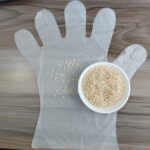
Desiccated Coconut: The Essential Guide for Global Food Manufacturers

Over the last two decades, desiccated coconut has become a key ingredient in the global food industry — from bakery chains in Europe to snack manufacturers in the Middle East. Whether you’re developing coconut-based cereal bars or exporting vegan cookies, choosing the right grade and supplier of desiccated coconut is crucial.

In this comprehensive guide, we’ll explore:

  • What desiccated coconut is

  • Common grades and applications

  • Key quality standards and certifications

  • Why Vietnam is a preferred sourcing country

  • How to evaluate and partner with a reliable supplier

🥥 What Is Desiccated Coconut?

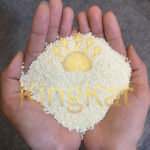
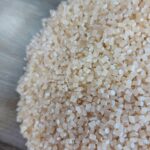
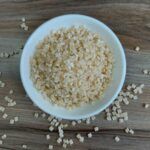
Desiccated Coconut is produced from fresh coconut meat aged 10-12 months. After selecting the coconuts, the brown skin is removed, and the coconut meat is washed. It is then processed in a modern production line to achieve the desired size and dried.

Depending on particle size, it is classified as:

 
GradeDescription     Common Applications
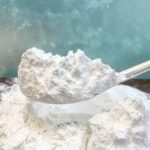
Extra FineUltra-fine powder-like textureUsed in cookies, biscuits, dough, baby food
Fine GradePowdery-small particlesCakes, baked goods, fillings
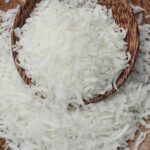
Medium GradeCoarser strands, slightly chewyGranola bars, cereals, dessert toppings
FlakesLarger flat pieces (≈3mm), lightly driedCoatings, trail mix, muesli, decorative use
ChipsThick-cut, crunchy coconut chips (≈5–10mm)Snack industry, chocolate coating, roasting

✅ Top Applications of Desiccated Coconut

Desiccated coconut is favored for its versatility and functionality in:

  • Bakery: Cakes, cookies, biscuits, fillings

  • Confectionery: Chocolate coatings, truffles, snack bars

  • Dairy: Yogurt mix-ins, ice cream toppings

  • Savory Foods: Spice blends, coconut chutney, sauces

  • Vegan Foods: Meat alternatives, protein snacks

  • Pet Food: Fiber-rich blends (special grade available)

Its long shelf life and clean label status make it especially attractive for export-focused manufacturers.

🏭 What to Look for in a Desiccated Coconut Supplier

When sourcing desiccated coconut for commercial use, quality and compliance are non-negotiable. Key factors include:

📌 Certifications

Look for suppliers who meet global food safety standards, such as:

  • HACCP

  • BRC

  • HALAL

  • FSSC 22000

  • ISO 22000

  • Phytosanitary certification

📌 Technical Specifications

A reliable supplier will provide full product specs:

  • Moisture: ≤ 3%

  • Fat Content: 63 – 65 % (for high-fat grade)

  • Color: Natural white

  • Shelf Life: 12 months

  • Contaminants: Free from aflatoxins, heavy metals, or foreign matter

📌 Packaging

Bulk buyers should expect:

  •  25kg PE inner + 2 Kraft Paper layers + PP outer bag

Why Source Desiccated Coconut from Vietnam?

Vietnam is one of the world’s top coconut-producing countries, known for:

  • Rich coconut plantations in Ben Tre & Mekong Delta

  • Consistent high-fat coconut varieties

  • Cost-effective production and labor

  • Strong logistics network for container exports

  • Government-supported export standards

Compared to other origins (Philippines, Indonesia, Sri Lanka), Vietnam offers a competitive balance between price, quality, and lead time — especially for bulk and OEM customers.

✅ Conclusion: A Reliable Ingredient for a Demanding Industry

With increasing demand for clean-label, plant-based, and globally sourced ingredients, desiccated coconut remains a smart and versatile choice for food manufacturers, brands, and distributors.

ABIMEX delivers consistent quality, full export documentation, and flexible packaging options to meet your production and regulatory needs — across Asia, the Middle East, Europe, and beyond.

🔗 Let’s connect to discuss your desiccated coconut needs.
📩 Reach out to us and submit your inquiry for samples, specs, and a personalized quote.