CASHEW NUT SHELL OIL

Desiccated coconut export from Vietnam has grown significantly over the past decade, positioning the country as one of the world’s leading suppliers of premium coconut products. As global demand for natural, plant-based, and clean-label ingredients continues to rise, more food manufacturers, distributors, and importers are turning to Vietnam as a trusted and cost-competitive source.
This article explores the key reasons why global buyers consistently choose Vietnamese suppliers for their desiccated coconut sourcing needs, and what makes Vietnam stand out in the international coconut market.

Vietnam ranks among the top coconut-producing countries in Southeast Asia, with Ben Tre province at the center of the country’s coconut industry. Known as the “Coconut Capital of Vietnam,” Ben Tre alone accounts for a significant share of the country’s total coconut output, providing a stable and abundant supply of high-quality raw materials year-round.
The combination of a tropical climate, fertile soil, and decades of agricultural expertise makes Vietnam an ideal origin for desiccated coconut production. Vietnamese coconuts are known for their high oil content, rich aroma, and consistent quality — characteristics that food manufacturers around the world value highly.
According to the Food and Agriculture Organization (FAO), Southeast Asia accounts for the majority of global coconut production, with Vietnam playing an increasingly important role as a value-added exporter of processed coconut products.
One of the primary reasons buyers source desiccated coconut from Vietnam is cost efficiency. Vietnamese producers benefit from lower raw material costs, affordable labor, and optimized supply chains that allow them to offer competitive export prices without sacrificing product quality.
For large-scale food manufacturers and industrial buyers, this pricing advantage can make a meaningful difference in production costs while still meeting the high-quality standards required by global markets.
Vietnamese desiccated coconut producers have invested substantially in modernizing their facilities and adopting internationally recognized quality management systems. Leading exporters operate under certifications such as:
These certifications demonstrate a commitment to food safety, traceability, and consistent product quality across all export batches. Learn more about how to evaluate desiccated coconut quality when sourcing for industrial applications.
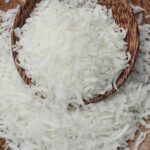
Vietnamese manufacturers offer desiccated coconut in a variety of grades and forms to meet diverse industrial requirements. Common product types include:
This flexibility allows buyers to source precisely the product specification they need without requiring costly adjustments at their own processing facilities.

Vietnam’s well-developed agricultural infrastructure, combined with efficient logistics networks and major international shipping ports, allows exporters to fulfill large-volume orders consistently and on time. Buyers from the United States, Europe, Australia, Japan, the Middle East, and other regions regularly rely on Vietnamese suppliers for steady supply throughout the year.
Many Vietnamese exporters have established long-term relationships with international buyers, demonstrating their ability to maintain supply chain reliability even during periods of high global demand.
Vietnamese desiccated coconut exporters are increasingly aligned with the food safety requirements of key importing markets. Regular laboratory testing for moisture content, oil content, free fatty acids, microbiological parameters, and heavy metals ensures that products meet the specifications required by buyers in the European Union, United States, Japan, and other regulated markets.
The Codex Alimentarius Commission sets international food safety standards that Vietnamese exporters increasingly align with, strengthening their position in regulated import markets.
This proactive approach to quality assurance helps buyers maintain compliance with local food safety regulations and import standards.
Growing global interest in sustainable agriculture and ethical sourcing has led many Vietnamese coconut producers to adopt more transparent supply chain practices. Buyers who prioritize sustainability can work with suppliers that provide full traceability from farm to export, demonstrating responsible sourcing of raw materials.
This transparency is increasingly important for food brands that highlight natural origin and sustainability claims on their product labels. Read more about why international buyers choose Vietnam as their preferred coconut sourcing destination.
While Vietnam offers many advantages as a sourcing destination, buyers should evaluate potential suppliers carefully to ensure they meet the necessary quality and reliability standards.
Request complete quality documentation including product specifications, certificate of analysis (COA), and food safety certifications. Reliable exporters will provide this information readily as part of their standard supplier qualification process.
Confirm that the supplier can consistently fulfill your volume requirements, particularly if you anticipate seasonal peaks in demand. Discuss lead times, minimum order quantities, and packaging options in advance to ensure alignment with your sourcing schedule.
Before committing to large-volume purchases, request product samples for laboratory testing and application trials. This step is essential for verifying that the product meets your specific formulation requirements and quality expectations.
Strong communication is critical for long-term sourcing partnerships. Look for suppliers who respond promptly, provide clear technical information, and demonstrate a willingness to customize products or packaging to meet your business needs.
Vietnamese desiccated coconut is used across a wide range of food categories worldwide, including bakery products such as cakes, cookies, pastries, and muffins; confectionery including chocolate coatings and coconut-filled sweets; breakfast cereals and granola; snack bars and energy bites; dairy and plant-based alternatives such as coconut yogurts and ice cream; and a variety of Asian and international cuisines.
The versatility of desiccated coconut across these applications makes it one of the most commercially valuable coconut-derived ingredients in the global food industry. Explore more about the wide range of applications of desiccated coconut in modern food production.
Abimex Group is a trusted Vietnamese exporter of premium desiccated coconut with extensive experience serving food manufacturers, distributors, and importers across global markets. We combine deep knowledge of the coconut industry with a commitment to quality, food safety, and customer satisfaction.
Our desiccated coconut products are produced using high-quality raw materials sourced from certified farms in Vietnam’s leading coconut-producing regions. We offer a full range of grades and specifications, supported by rigorous quality control throughout every stage of production and export.
Whether you are sourcing for large-scale industrial production, private label development, or specialty food manufacturing, Abimex Group has the expertise and capacity to meet your requirements reliably and consistently.
Desiccated coconut export from Vietnam continues to grow as global buyers recognize the country’s competitive advantages in quality, pricing, production capacity, and food safety compliance. Vietnam’s established coconut industry, combined with the expertise and reliability of leading exporters like Abimex Group, makes it one of the most attractive sourcing destinations for buyers seeking premium coconut ingredients.
If you are looking to source high-quality desiccated coconut for your business, contact Abimex Group today to discuss your requirements and discover how we can support your supply chain with consistent, certified, and competitively priced products.